,

Carrot Nantes – Over 100 Seeds

R15.00

Excluding shipping
  • Over 100 Green Pepper (Capsicum California Wonder) Seeds
  • Join our WhatsApp Group to see when this product goes on special: https://chat.whatsapp.com/Guxcttdini50Vfe7QjCMPH
  • Proudly non-GMO
  • ECO-FRIENDLY: Biodegradable packaging with resealable, reusable plastic Ziplock bag inside
  • Made in South Africa, for South Africa
  • Comment below to sign up for new product alerts

Availability: 48 in stock

Guaranteed Safe Checkout

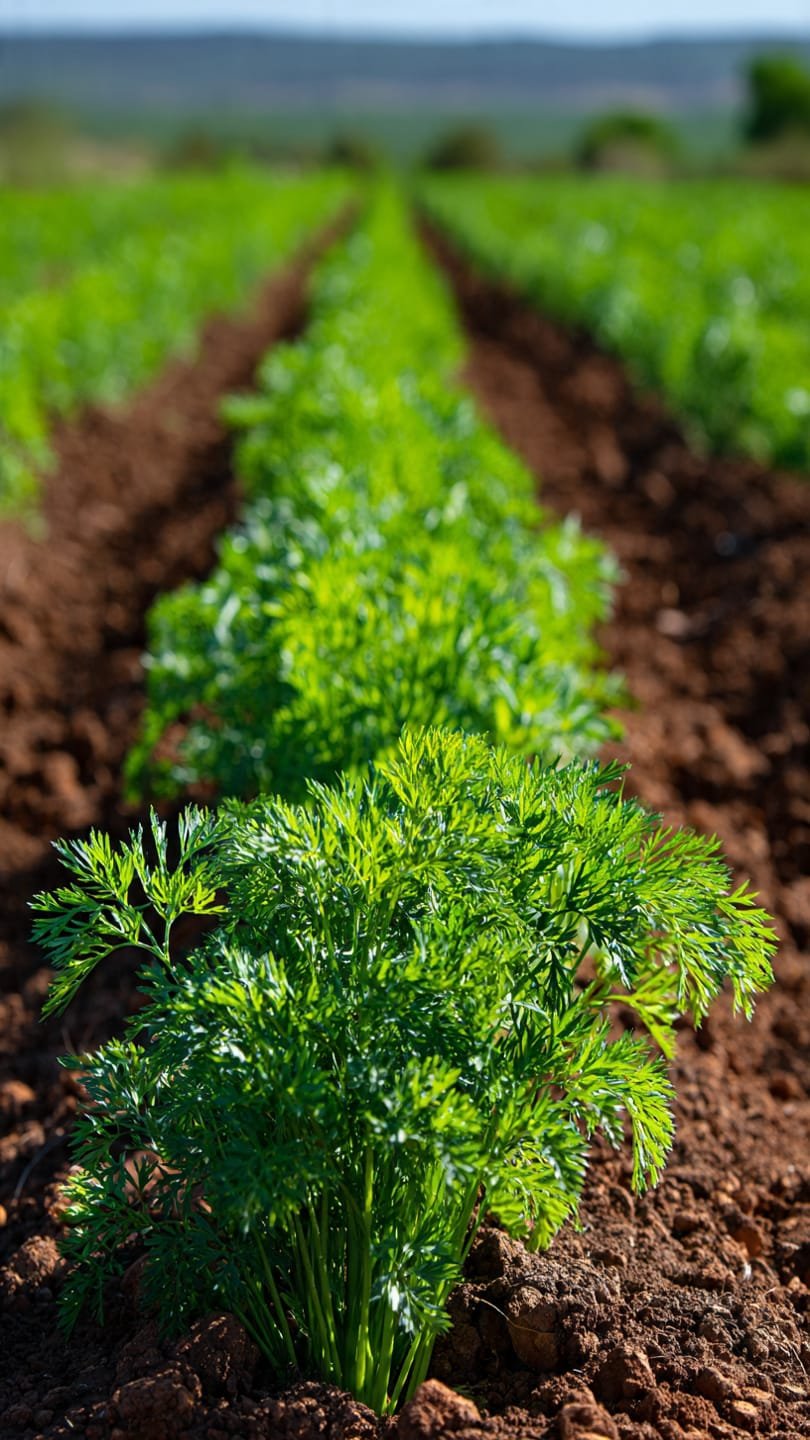
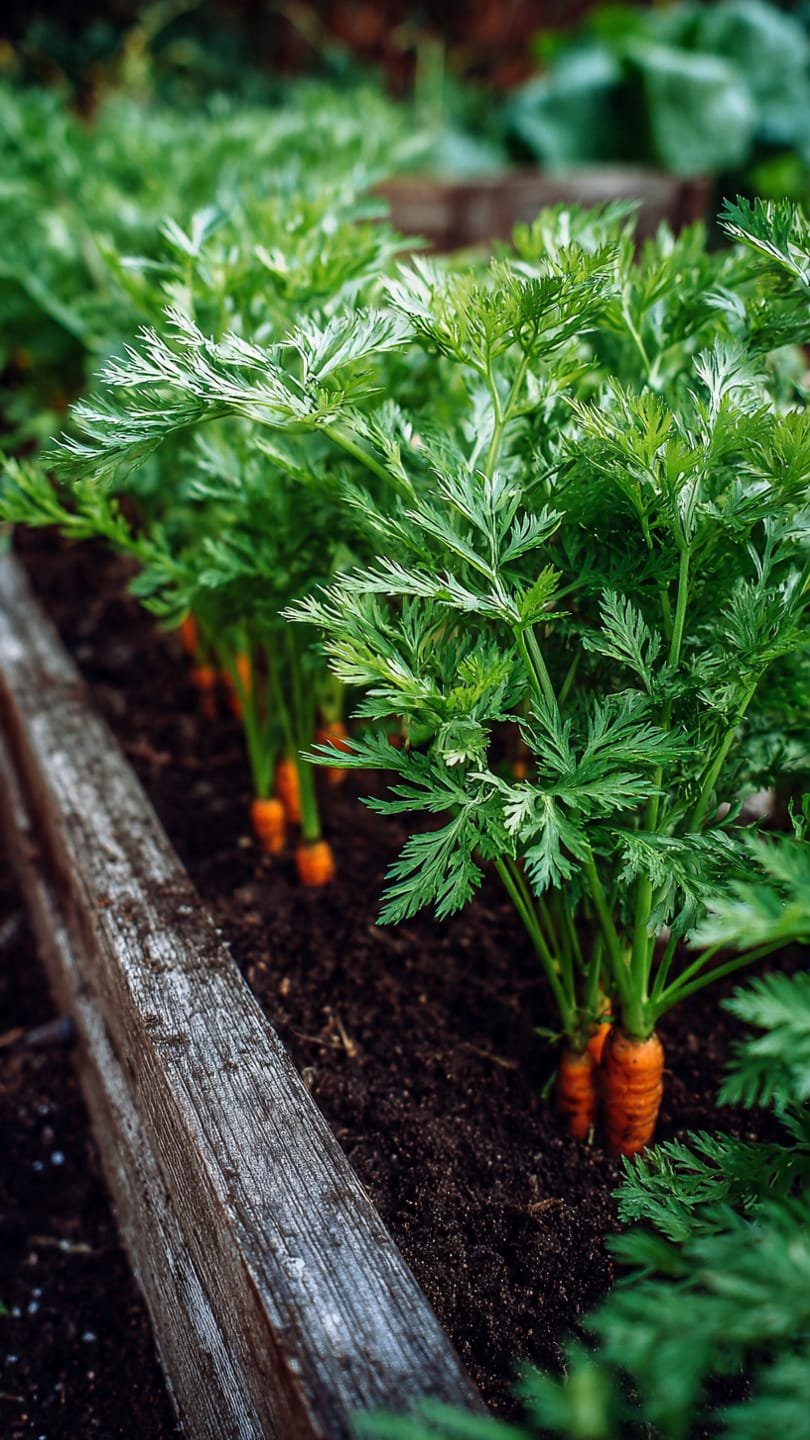
Carrot (Nantes) Seeds – Heirloom & Non-GMO

Grow your own crisp, sweet carrots with our premium Nantes carrot seeds.

Perfectly suited for South African home gardens, this heirloom variety is famous for its sweet flavor, tender texture, and reliable yields.

Why Choose Nantes Carrot Seeds?

  1. Sweet and Tender: Nantes carrots have a high sugar content and nearly coreless center.
  2. Perfect Shape: Cylindrical, blunt-tipped roots grow to about 15cm long.
  3. High Yields: Every pack contains over 100 seeds for a bountiful harvest.
  4. 100% Natural: Non-GMO, open-pollinated, heirloom vegetable seeds.
  5. Adaptable: Throws excellent crops in both garden beds and deep containers.

South African Planting & Growing Guide

  • Best Time to Plant: Sow from August to April (Spring through to Autumn).
  • Sunlight Requirements: Full sun to partial shade.
  • Soil Preference: Loose, deeply dug, stone-free sandy loam soil.
  • Sowing Depth: Plant seeds 5mm deep directly into the soil.
  • Spacing: Space rows 30cm apart; thin seedlings to 5cm apart.
  • Days to Harvest: Mature roots are ready to pull in 70 to 90 days.

Reviews

There are no reviews yet.

Be the first to review “Carrot Nantes – Over 100 Seeds”

Your email address will not be published. Required fields are marked *

How to Grow Carrots from Seed

How to Grow Carrots from Seed: The Ultimate South African Guide

Growing carrots from seed is highly rewarding.

This complete guide helps South African home gardeners achieve a bountiful harvest of straight, sweet, and crisp carrots.

Quick Growing Facts

  • Sowing Season: August to April (Spring to Autumn)
  • Position: Full sun (at least 6 hours daily)
  • Sprouting Time: 14 to 21 days
  • Time to Harvest: 70 to 90 days

Step 1: Prepare the Soil Properly

Soil preparation is the most important step for straight roots. Carrots bend, split, or fork if they hit obstacles in the ground.

Clear the Bed: Remove all rocks, clumps, and hard sticks from the soil.

Dig Deeply: Loosen the soil down to at least 30cm deep.

Soil Texture: Use loose, well-draining sandy loam soil.

Avoid Fresh Manure: Too much nitrogen causes hairy, misshapen carrots. Use aged compost instead.

Step 2: Sow the Seeds

Carrot seeds are tiny and must be sown directly into the garden bed or deep containers. They do not transplant well.

Sowing Depth: Create shallow rows 5mm deep.

Spacing: Space the parallel rows roughly 30cm apart.

Sowing: Drop seeds thinly along the row.

Cover: Lightly cover the seeds with fine soil or sand.

Firming: Press the soil down gently to ensure good seed-to-soil contact.

Step 3: Keep the Soil Moist

Carrot seeds take up to three weeks to germinate. The soil surface must never dry out during this critical window.

Watering: Mist the soil gently using a fine spray nozzle.

Moisture Trick: Cover the damp seedbed with a layer of damp cardboard or burlap sack.

Check Daily: Lift the cover daily to check for green sprouts.

Remove Cover: Take the cover off immediately once the first green seedlings appear.

Step 4: Thin out the Seedlings

Thinning out seedlings ensures each carrot root has enough physical space to grow fat and straight.

First Thinning: When seedlings are 5cm tall, thin them to 2cm apart.

Second Thinning: A few weeks later, thin them out to 5cm apart.

Pro Tip: Snipping the tops with scissors prevents damaging the roots of neighboring plants.

Step 5: Routine Care and Harvesting

Watering Guide: Water deeply twice a week rather than watering shallowly every day.

Weeding: Pull weeds by hand gently so they do not compete for nutrients.

Hilling: If carrot shoulders push out of the ground, cover them with soil to prevent green, bitter tops.

Harvesting: Twist and pull carrots from the base of the foliage when they reach the desired size.

Carrots Medicinal and Nutritional Uses

Carrots: Health Benefits, Nutritional Value & Traditional Uses

Carrots are more than a sweet garden staple. They are packed with essential vitamins, antioxidants, and dietary fiber that offer powerful health benefits.

This guide explores the nutritional value and traditional medicinal uses of home-grown carrots.

Nutritional Profile of Carrots

Carrots are an exceptional source of micronutrients. Eating them fresh from the garden ensures you get the highest concentration of active compounds.

Beta-Carotene: The human body converts this pigment into Vitamin A, which supports optimal eye health and immune function.

Antioxidants: Packed with lutein, lycopene, and polyacetylenes that help combat cellular oxidative stress.

Dietary Fiber: Rich in soluble fiber (like pectin), which helps stabilize blood sugar levels and aids digestion.

Essential Minerals: Contains potassium for blood pressure regulation, plus vitamin K1 for bone health.

Low Calorie: Composed of roughly 88% water, making them a highly nutritious, low-calorie snack.

Key Health and Medicinal Benefits

1. Supports Vision and Eye Health

Carrots are famous for improving night vision. While they cannot cure blindness, their high beta-carotene and lutein content helps prevent macular degeneration and cataracts.

2. Promotes Healthy Digestion

The high fiber content regulates bowel movements and fuels beneficial gut bacteria. Historically, carrot juice was used as a traditional remedy to soothe mild stomach upsets and digestive tract irritation.

3. Boosts Immune System Function

Vitamin A and Vitamin C found in carrots stimulate the production of white blood cells. This strengthens your body’s natural defenses against seasonal colds and infections.

4. Enhances Skin Health

The antioxidants in carrots protect skin cells from UV damage and environmental toxins. Regular consumption promotes a healthy, radiant complexion and accelerates wound healing.

How to Maximize the Nutritional Benefits

Cook Lightly: Lightly steaming or cooking carrots with a healthy fat (like olive oil) increases your body’s absorption of fat-soluble beta-carotene.

Don’t Waste the Greens: Carrot top leaves are highly nutritious, containing rich amounts of vitamin C, calcium, and potassium. Use them in pestos or salads.

Carrots Growing Guide

Ultimate Carrot Growing Guide: From Seed to South African Harvest

Growing carrots at home is incredibly rewarding. While they require a bit of patience during germination, following the right steps ensures a heavy harvest of crisp, sweet roots.

This comprehensive guide covers everything you need to know about growing carrots successfully in South African conditions.

Quick Crop Overview

Sowing Window: August to April (Spring through to Autumn)

Sunlight Requirements: Full sun (Minimum 6 hours daily)

Germination Time: 14 to 21 days

Maturity Time: 70 to 90 days

Ideal Soil pH: 6.0 to 6.8

Step 1: Selecting and Preparing Your Planting Site

Carrots develop entirely underground, meaning your soil condition directly dictates your harvest quality.

Sunlight: Choose a sunny spot in your garden. Carrots can tolerate light afternoon shade, but they thrive best in full sun.

Clear the Obstacles: Dig your soil down to a depth of 30cm. Remove all rocks, gravel, hard clay clumps, and thick roots. Heavy or obstructed soil causes carrots to fork, split, or grow stunted.

Soil Texture: Carrots prefer loose, deeply dug, well-draining sandy loam soil. If you have heavy clay soil, consider growing your carrots in raised beds or deep pots.

Fertilizer Warning: Never add fresh animal manure to your carrot beds before planting. High nitrogen levels cause carrots to grow hairy roots or fork wildly. Instead, work in well-rotted compost a few weeks prior to sowing.

Step 2: Sowing Carrot Seeds

Carrot seeds must always be sown directly into their final growing position. They have fragile taproots and do not tolerate being transplanted from seed trays.

Sowing Depth: Draw shallow furrows in the soil exactly 5mm deep. Sowing them too deep will prevent them from breaking the surface.

Row Spacing: Space your parallel rows roughly 30cm apart to allow for easy weeding and harvesting.

Sowing Technique: Drop the tiny seeds thinly along your furrow. Because they are so small, you can mix the seeds with dry river sand to help distribute them more evenly.

Covering: Gently pinch the soil over the seeds or cover them with fine sand. Press the soil down lightly so the seeds have firm contact with the earth.

Step 3: Managing Germination (The Critical Phase)

Carrot seeds take up to three weeks to sprout. During this window, the top layer of soil must never be allowed to dry out.

Gentle Watering: Use a watering can with a fine rose attachment or a gentle mist setting on your hose. Heavy water streams will wash the tiny seeds away.

The Moisture Trick: Cover the damp seedbed with a layer of damp cardboard, shade cloth, or a burlap sack. This traps moisture at the surface and prevents crusting.

Daily Inspection: Check under the cover every single day. The moment you spot the first green, feathery sprouts breaking the soil surface, remove the cover immediately.

Step 4: Thinning and Routine Care

Once your seedlings are growing, they need structural space and consistent care to mature into thick, straight roots.

Thinning Out: When seedlings reach 5cm tall, thin them out to 2cm apart by snipping the unwanted seedlings at ground level with scissors. A few weeks later, thin them again to 5cm apart.

Pulling them out by hand can disturb the roots of the remaining carrots.

Watering Routine: Water your carrots deeply twice a week rather than giving them a quick splash every day. Deep watering encourages the taproots to grow straight down in search of moisture.

Weeding: Keep the carrot bed completely free of weeds. Weed by hand carefully, as weeds easily choke out the delicate, feathery carrot foliage.

Hilling the Shoulders: As carrots grow, their tops may push out of the ground. Cover these exposed “shoulders” with extra soil or mulch to prevent them from turning green and bitter from sun exposure.

Step 5: Harvesting Your Carrots

Your carrots will be ready to harvest anywhere between 70 and 90 days after sowing, depending on the specific variety.

Size Check: You can begin harvesting as soon as the roots reach finger size for tender gourmet carrots, or wait until they reach full maturity (around 15cm for Nantes).

Harvest Technique: Do not just pull the carrot by its leaves, or the foliage may snap off in your hand. Loosen the soil around the base of the carrot with a hand fork, then grip the carrot firmly at the crown and twist gently as you pull it upwards.

Carrot Other Names

Carrots: Other Names, Culinary Terms & Regional Varieties

Carrots are grown and enjoyed all over the world. Because they are so popular, they are called by many different names, botanical terms, and regional translations.

Understanding these names helps you identify different varieties, read international seed packets, and explore diverse culinary traditions.

1. The Scientific and Botanical Name

Every variety of cultivated carrot belongs to the same plant family.

Daucus carota subsp. sativus: This is the official botanical name for the domesticated carrot that we grow in our gardens.

Daucus carota: This refers specifically to Wild Carrot, which is the ancient, white-rooted ancestor of our modern garden carrots.

Umbelliferae / Apiaceae: This is the scientific family name. Carrots are related to celery, parsley, parsnips, coriander, and dill.

2. Common South African and Regional Names

In South Africa’s multilingual gardening community, you will often hear carrots called by different names:

Wortels: The Afrikaans word for carrots. It literally translates to “roots.”

Ukaroti: The isiZulu and isiXhosa name for the carrot, adapted into the local linguistic structure.

Muroti: The Sepedi and Sesotho term used by local farmers and gardeners.

3. Historical and Traditional Names

Carrots have not always been orange, and historical names often reflect their appearance:

Queen Anne’s Lace: The common name for the wild carrot (Daucus carota). It is named after its delicate, lace-like white flowers.

Gazar / Gajar: The Hindi and Urdu name for carrots. You will often see this term used in traditional South African Indian recipes, such as Gajar ka Halwa (a sweet carrot dessert).

Zanahoria: The Spanish name, which has ancient roots linked to Arabic influences in Europe.

4. Names Based on Carrot Types and Shapes

When buying seeds, you will see names that describe the specific shape and breeding history of the root:

Nantes: Named after the region in France where they were perfected. These are sweet, cylindrical, and blunt-tipped carrots.

Chantenay: Short, stout carrots with broad shoulders that taper toward a point, ideal for heavy clay soils.

Imperator: The long, deeply tapered carrots typically found in commercial supermarkets.

Parisian / Round Carrots: Small, globe-shaped varieties that look like radishes and grow well in shallow containers.

Shopping Basket
0
    0
    Your Cart
    Your cart is emptyReturn to Shop
    Scroll to Top