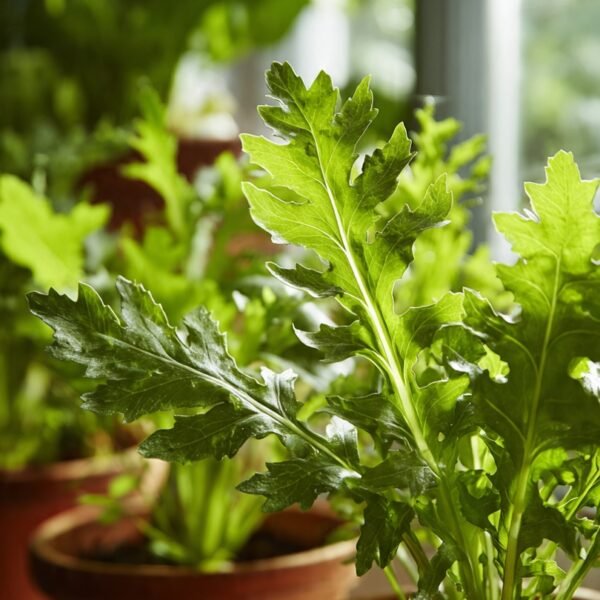
, ,

Rocket Salad (Arugula) Over 100 Seeds

R15,00

Excluding shipping

Availability: 69 in stock

Guaranteed Safe Checkout

Premium Heirloom Rocket Salad (Arugula) Seeds

Add a peppery, gourmet kick to your homegrown dishes with our premium heirloom Rocket Salad seeds, also widely known as Arugula.

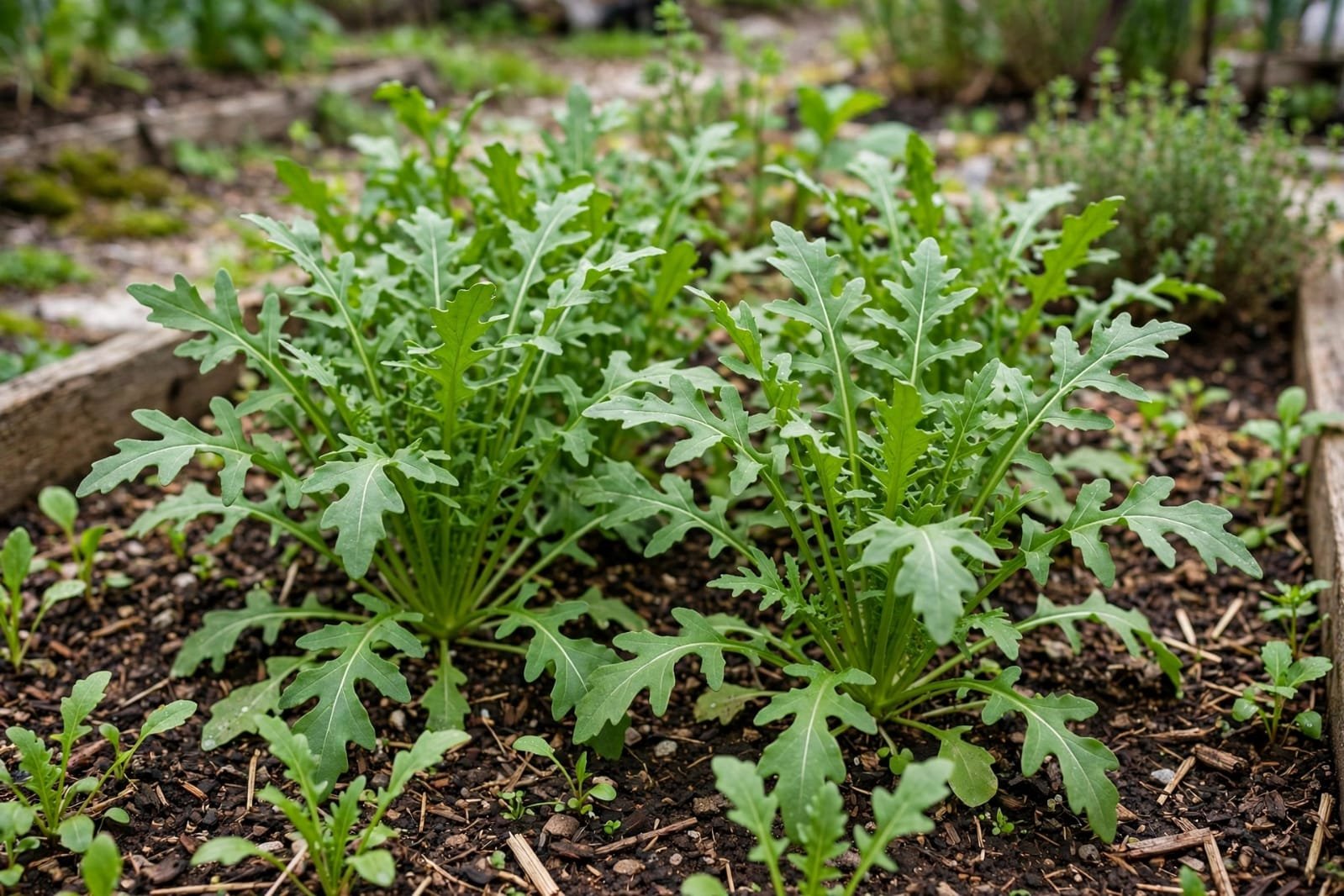
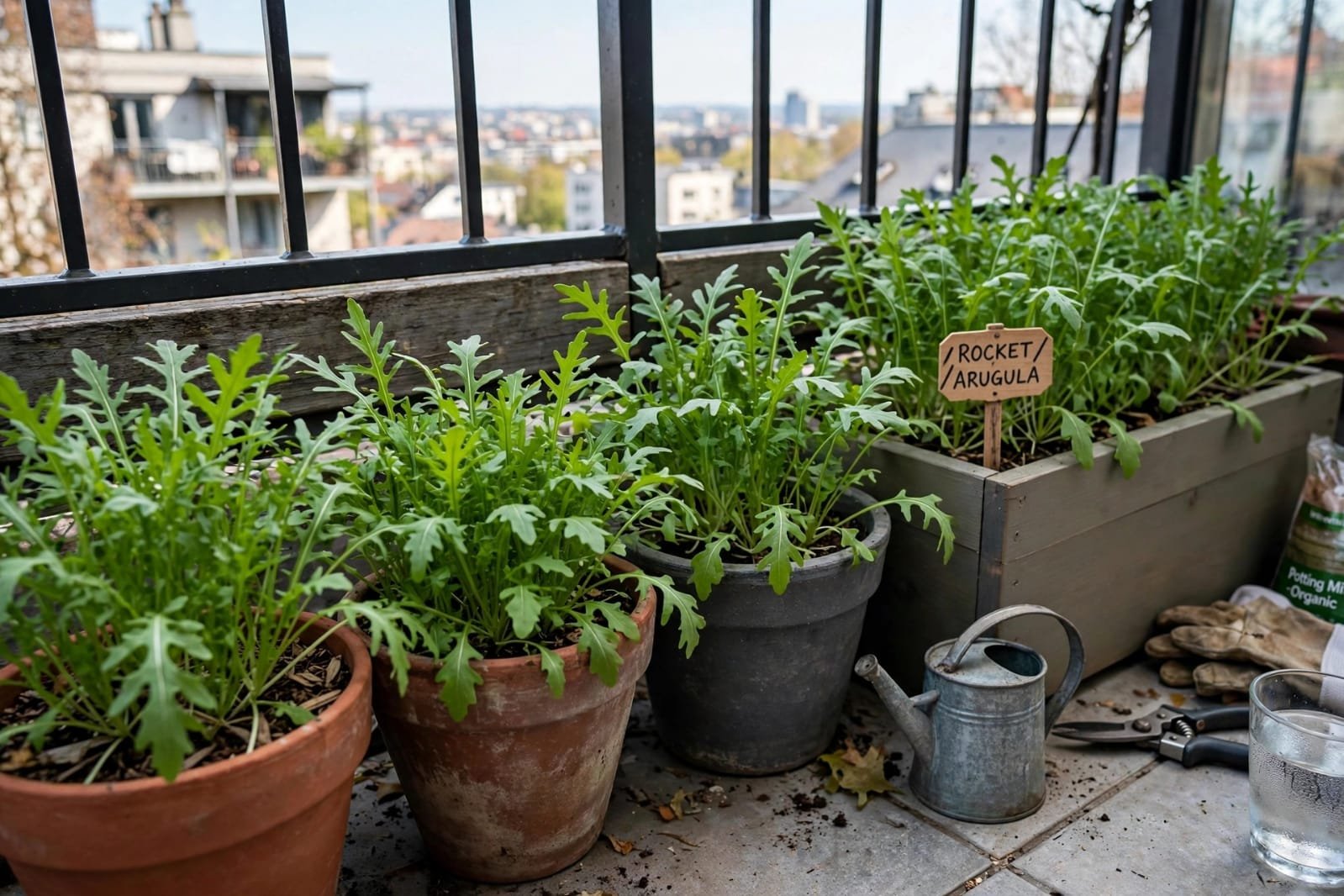
Specially selected to thrive in South African climates, this fast-growing green is a must-have for backyard vegetable patches, raised garden beds, and urban balcony containers.

Rocket (Eruca vesicaria) is a highly rewarding, cool-season salad green that delivers a distinct, nutty, and peppery flavour far superior to anything bought in a supermarket.

Perfect for classic Italian salads, pizza toppings, pestos, and stir-fries, this versatile leaf grows incredibly fast, letting you harvest fresh baby leaves in as little as three to four weeks.

Each packet contains over 100 seeds, providing a generous supply to start a continuous, cut-and-come-again harvest throughout the growing season.

Because these are pure, non-GMO heirloom seeds, you can let a few plants go to flower at the end of the season to harvest your own seeds for next year, while their beautiful white blossoms naturally attract vital pollinators to your garden.

Planting Guide for South Africa:

Sowing Season: Spring to Autumn (thrives best in cooler months)

Position: Full sun to partial shade

Sowing Depth: 6mm deep in moist, well-drained soil

Germination: 5 to 7 days

Days to Harvest: 21 days for baby leaves, 40 days for mature leaves

Reviews

There are no reviews yet.

Be the first to review “Rocket Salad (Arugula) Over 100 Seeds”

Your email address will not be published. Required fields are marked *

How to Grow Rocket from Seed

How to Grow Rocket from Seed: A Complete South African Guide

Growing rocket (Eruca vesicaria)—also famously known as arugula—from seed is one of the fastest and most rewarding projects for any South African vegetable gardener.

Known for its distinct, peppery kick and nutty crunch, rocket is a gourmet salad green that grows exceptionally well in our climate.

Because it transitions from seed to salad bowl in less than a month, it is the perfect variety for beginner gardeners, children, and anyone looking for quick results.

Follow this step-by-step guide to successfully sow and cultivate your heirloom rocket seeds.

Quick Growing Facts

  • Best Sowing Season: Autumn and Spring (March to May, and September to November)
  • Sunlight Requirements: Full sun to partial shade
  • Germination Time: 5 to 7 days
  • Ideal Soil: Rich, moisture-retentive, well-drained soil (pH 6.0 to 7.0)

Step 1: Choose Your Growing Location

Rocket is incredibly versatile and adapts to almost any garden setup.

In Garden Beds: Pick a spot that receives morning sun and afternoon shade, especially during warmer months. Mix a generous amount of organic compost into the top layer of soil to ensure it stays nutrient-rich and loose.

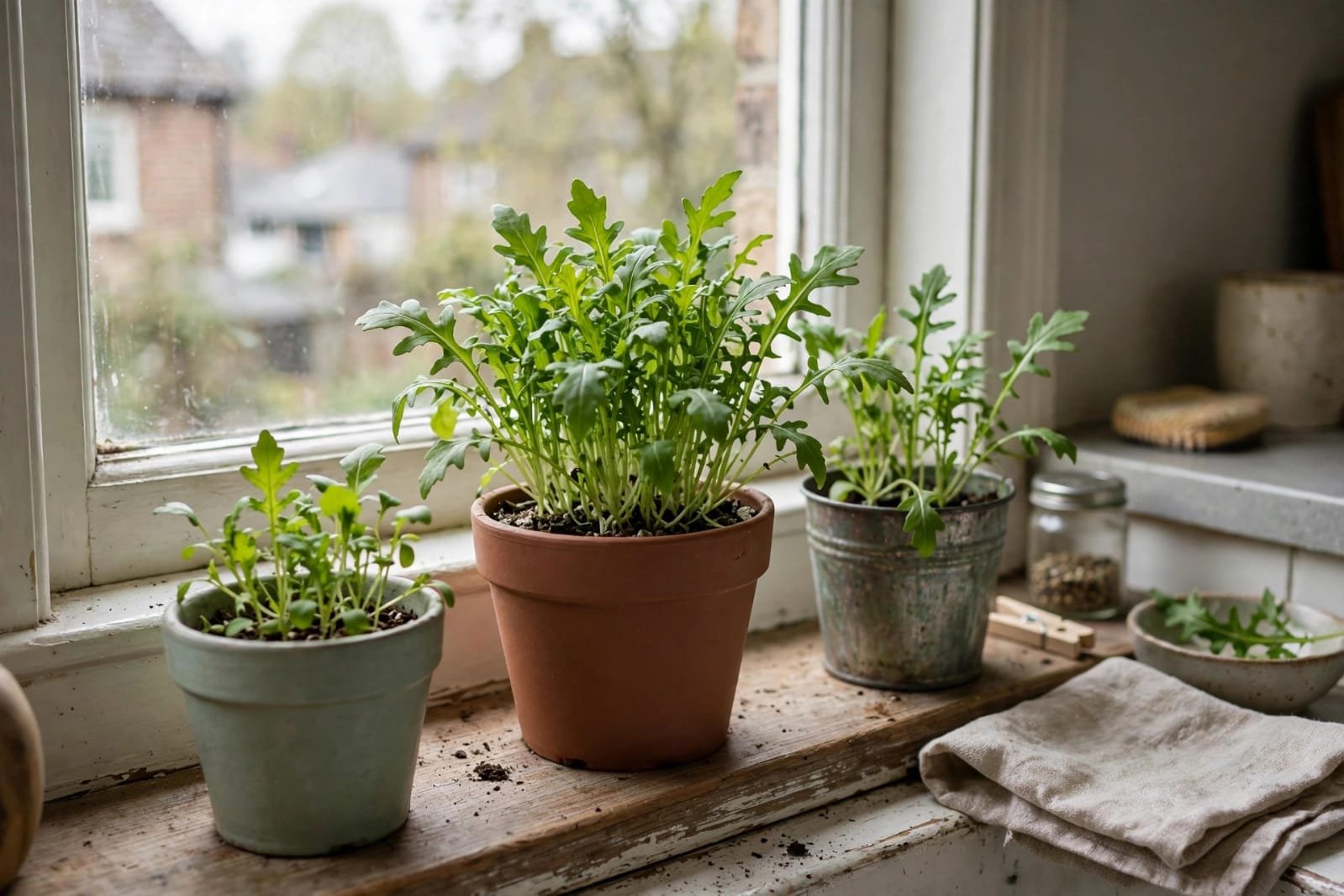
In Pots and Containers: Rocket has a shallow root system, making it perfect for window boxes, shallow pots, or balcony planters. Use a premium potting mix that drains freely.

Step 2: Sowing the Seeds

Because each pack contains over 100 seeds, you can practice succession planting—sowing a small handful of seeds every two weeks to guarantee a non-stop, continuous supply of fresh leaves all season long.

Sowing Depth: Sow the tiny seeds thinly, about 6mm deep. If planting in rows, space the rows roughly 20cm to 30cm apart.

Cover and Press: Lightly cover the seeds with fine soil or vermiculite and press down gently so the seeds make firm contact with the dirt.

Watering: Mist the soil thoroughly using a spray bottle or a watering can with a fine rose attachment. Keep the soil consistently moist but never muddy until the seeds sprout.

Step 3: Thinning the Seedlings

Within a week, you will see bright green, heart-shaped seedlings popping up. Once they reach about 5cm in height, it is time to space them out so they don’t crowd each other out.

Thin the seedlings out until they are spaced roughly 10cm to 15cm apart.

Chef’s Tip: Don’t throw away the seedlings you pull out! These tiny “microgreens” are packed with flavor and make a delicious, peppery garnish for your meals.

Step 4: Ongoing Care and Smart Watering

The secret to growing mild, tender rocket leaves is fast, uninterrupted growth. If the plant experiences drought stress or extreme heat, the leaves will become intensely bitter and tough.

Watering: Water regularly to keep the soil evenly moist. During hot, dry South African afternoons, a light mulch of straw or dried leaves helps lock moisture into the ground.

Dealing with Heat: If a sudden heatwave hits, provide temporary shade cloth. Intense heat triggers “bolting,” which causes the plant to stop producing leaves and rapidly shoot up flowers.

Step 5: Harvesting Your Rewards

You don’t have to wait for the plant to fully mature to start eating it!

Baby Leaves: You can start snipping outer leaves as soon as they reach about 7cm to 10cm long (usually around 21 days after sowing). Always leave the center of the plant intact so it keeps producing new growth.

Cut-and-Come-Again: Cut what you need for a single meal, and the plant will happily sprout new leaves for several weeks.

Rocket Medicinal and Nutritional Uses

Rocket Salad (Arugula): Health Benefits, Medicinal and Nutritional Uses

Most South Africans know rocket salad—famously called arugula—as the peppery green that adds a gourmet touch to wood-fired pizzas and Mediterranean salads.

However, this fast-growing heirloom herb is far more than a simple culinary garnish. Dating back to ancient Roman times, rocket was revered as a powerful therapeutic plant.

Today, modern nutritional science confirms what ancient herbalists always suspected: rocket is a functional superfood packed with vital micronutrients, protective antioxidants, and disease-fighting compounds.

If you are growing your own rocket seeds at home, here is a complete look at the health benefits you unlock with every harvest.

The Nutritional Powerhouse Profile

Gram for gram, rocket is one of the most nutrient-dense leafy greens you can plant in your garden. Because it belongs to the Brassicaceae (cruciferous) family—making it a cousin to broccoli, kale, and cabbage—it delivers unique health protections that regular lettuce simply cannot match.

A single serving of fresh homegrown rocket provides:

Vitamin K: Essential for strong bone mineralization and proper blood clotting.

Vitamin A & Beta-Carotene: Critical for maintaining sharp vision, healthy skin, and a robust immune system.

Vitamin C: A powerful antioxidant that boosts immunity and enhances iron absorption from other foods.

Folate (Vitamin B9): Supports cellular repair, DNA synthesis, and is vital for pregnant women.

Top 4 Medicinal & Health Benefits of Rocket

1. Packed with Cancer-Fighting Glucosinolates

The signature peppery, slightly bitter bite of rocket comes from natural sulfur-containing compounds called glucosinolates. When you chew the leaves, these compounds break down into active molecules called isothiocyanates.

Multiple scientific studies show that these molecules help protect cells from DNA damage, neutralize carcinogens, and inhibit the growth of unwanted cells.

2. Enhances Athletic Performance and Heart Health

Rocket is naturally rich in dietary nitrates, much like beetroot.

How it works: Your body converts these nitrates into nitric oxide, which naturally relaxes and widens your blood vessels.

The Benefit: This process lowers blood pressure, improves circulation, and reduces the amount of oxygen your muscles need during exercise. Adding rocket to your pre-workout meal or daily diet can significantly boost your stamina and cardiovascular health.

3. Supports Healthy Weight Management and Digestion

If you are looking to improve your metabolic health, rocket is an excellent addition to your garden and plate.

The Benefit: It is incredibly low in calories but exceptionally high in dietary fiber and water content. The bitter compounds in the leaves also stimulate the production of digestive enzymes and bile, helping your body break down fats and prevent bloating after heavy meals.

4. Protects Aging Eyes

Rocket contains high concentrations of lutein and zeaxanthin, two powerful carotenoid antioxidants that accumulate directly in the retina of the eye.

The Benefit: These compounds act like natural sunglasses, filtering out damaging blue light and protecting your eyes against age-related macular degeneration and cataracts.

How to Maximize the Nutritional Value of Rocket

To get the absolute most out of your harvest, keep these preparation tips in mind:

Eat it Raw or Lightly Tossed: Heat can destroy some of the delicate Vitamin C and active enzymes. Enjoy it fresh in salads, or fold it into warm pasta right at the end of cooking so it just wilts.

Pair with Healthy Fats: Vitamins A and K are fat-soluble. Tossing your rocket with cold-pressed olive oil, avocado, or a sprinkle of parmesan cheese drastically increases your body’s ability to absorb these nutrients.

Rocket Growing Guide

Ultimate Rocket Growing Guide: How to Care for Your Plants in South Africa

Once your heirloom Rocket Salad seeds (Arugula) have successfully sprouted, the key to a bountiful, continuous harvest lies in proper ongoing care.

Rocket (Eruca vesicaria) is a wonderfully resilient, fast-growing annual that adapts beautifully to South African conditions, provided it receives the right balance of water, shade, and harvesting techniques.

This comprehensive growing guide covers everything you need to know to maintain thriving rocket plants, keep your leaves tasting sweet and tender, and enjoy a non-stop supply of gourmet salad greens.

Understanding the Ideal Growing Environment

To prevent your rocket from turning excessively bitter or running to seed too early, match its care to these specific environmental preferences:

Sunlight: Rocket loves full morning sun but appreciates afternoon shade, especially in the hot summer months of South Africa. In cooler regions during autumn and winter, it can comfortably handle full sun all day long.

Soil Requirements: Provide loose, rich, well-draining soil mixed with plenty of organic compost. Rocket has a relatively shallow root system and thrives when the soil retains moisture without becoming waterlogged.

Temperature: Rocket grows best in cooler weather. When temperatures soar above 30°C, the plant enters survival mode, shifting its energy from leaf production to flower production—a process known as “bolting.”

Step-by-Step Plant Maintenance

1. The Golden Rule of Watering

Rocket requires consistent moisture to produce mild, crisp leaves. If the soil dries out completely, the plant undergoes drought stress, which instantly turns the leaves tough and aggressively bitter.

Watering Frequency: Water deeply two to three times a week, or daily during dry, hot weather. If you are growing rocket in shallow pots or balcony containers, check the soil daily as containers dry out much faster.

Mulching: Spread a thin layer of organic mulch (like straw, bark chips, or dried leaves) around the base of your plants. This insulates the shallow roots from summer heat and keeps soil moisture from evaporating.

2. Feeding and Fertilizing

Because rocket grows incredibly fast, it doesn’t require heavy feeding if your soil was well-prepared with compost before planting.

If your plants look a bit pale or stunted, feed them with a diluted, liquid organic fertilizer (such as fish emulsion or liquid kelp) once every two weeks. Avoid high-nitrogen fertilizers, which can cause rapid but weak, flavorless growth.

3. Preventing “Bolting” (Going to Seed)

When the days get longer and hotter, rocket will naturally want to shoot up a tall central stem topped with white or cream flowers.

To prolong your leaf harvest, pinch off flower buds as soon as they appear. Once the plant bolts completely, the leaves become too bitter to eat.

At this stage, you can either pull the plant out to start fresh with new seeds, or leave the flowers to attract bees and harvest the heirloom seeds at the end of the lifecycle.

Companion Planting with Rocket

Because rocket grows rapidly, it makes an excellent companion plant in your vegetable patch:

What to Plant Nearby: Plant rocket alongside lettuce, spinach, carrots, and radishes.

Natural Shade: You can plant rocket under the dappled shade of taller crops like tomatoes, climbing beans, or peppers to protect it from harsh afternoon sunlight.

The Cut-and-Come-Again Harvest Method

You can start harvesting rocket leaves roughly three weeks after sowing. Always pick the outer leaves first, cutting them close to the base of the plant.

Leave the small, inner heart leaves intact so the plant can keep growing. Harvesting regularly encourages the plant to continually throw out fresh, tender new growth.

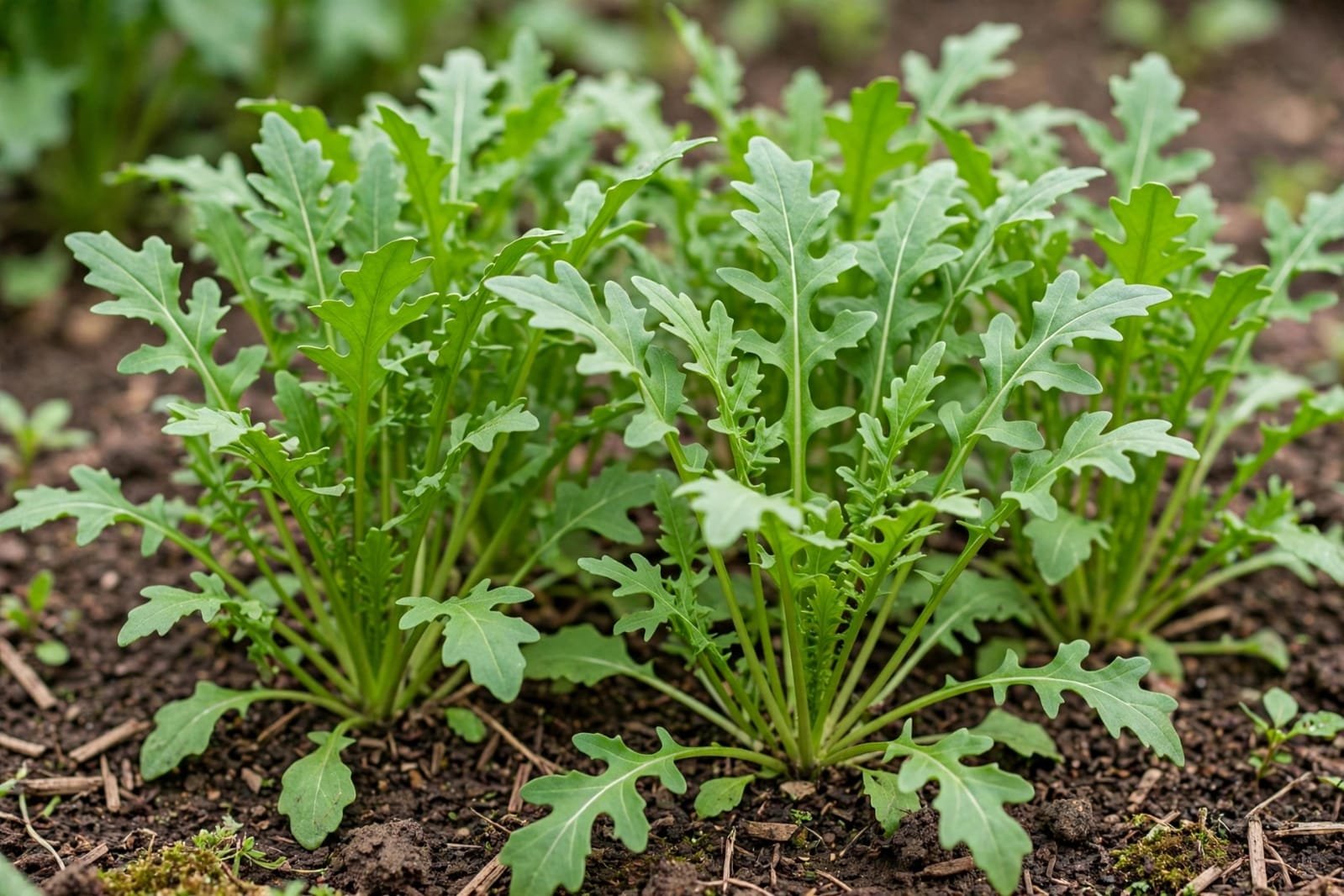
Rocket Other Names

Rocket Alternative Names: Arugula, Roquette, and More Explained

If you are browsing through seed catalogs or cooking international recipes, you might find yourself confused by the many names used for rocket salad.

This fast-growing, peppery green is incredibly popular worldwide, but depending on where a recipe was written or where the seeds were sourced, it can go by entirely different labels.

When you buy our heirloom seeds, you are getting the true culinary variety scientifically known as Eruca vesicaria (formerly Eruca sativa).

To help you navigate seed packets, gardening blogs, and cookbooks, here is a complete guide to the alternative names and translations of rocket.

The Big Two: Rocket vs. Arugula

The two most common names for this green are entirely regional, though they refer to the exact same plant:

Rocket: This is the standard term used in South Africa, the United Kingdom, Australia, and New Zealand. The name evolved from the French word roquette, which itself derived from the Italian word ruchetta.

Arugula: This is the dominant name used in the United States and Canada. American culinary culture adopted the word from arugula, a regional Italian dialect variation of the word rucola.

Botanical and Scientific Names

Eruca vesicaria (or Eruca sativa): This is the formal botanical name for true garden rocket. When buying heirloom seeds, always check for this scientific name. It ensures you are buying the high-quality, fast-growing annual salad green rather than wild perennial varieties.

Multilingual & Global Variations

Because of its deep roots in Mediterranean and European cuisine, you will often see rocket listed under these cultural names:

Rucola / Ruchetta (Italian): If you are ordering an authentic wood-fired pizza or browsing Italian culinary blogs, you will almost always see it listed as rucola.

Roquette (French): The standard French name, which heavily influenced the English term “rocket.”

Rauke / Gartenrauke (German): The traditional Germanic term for the cultivated garden variety.

Oruga (Spanish): The common term used across Spanish-speaking gardening communities.

Wild Rocket vs. Garden Rocket (Don’t Mix Them Up!)

When looking for names, it is highly important not to confuse true garden rocket with its wild cousin:

Garden Rocket (Eruca vesicaria): Grown from our heirloom packs containing over 100 seeds, this variety features broader leaves, grows incredibly fast, and has a balanced, nutty, and peppery flavor profile.

Wild Rocket (Diplotaxis tenuifolia): Often called perennial wall rocket, this is a completely different plant species. It grows much slower, features deeply serrated, narrow leaves, and has an intensely hot, pungent, almost mustard-like kick.

Shopping Basket
0
    0
    Your Cart
    Your cart is emptyReturn to Shop
    Scroll to Top