,

Baby’s Breath (Gypsophila Single White)

R15,00

Excluding shipping

Availability: 25 in stock

Guaranteed Safe Checkout

Bring timeless elegance to your garden with our premium Baby’s Breath seeds (Gypsophila Single White).

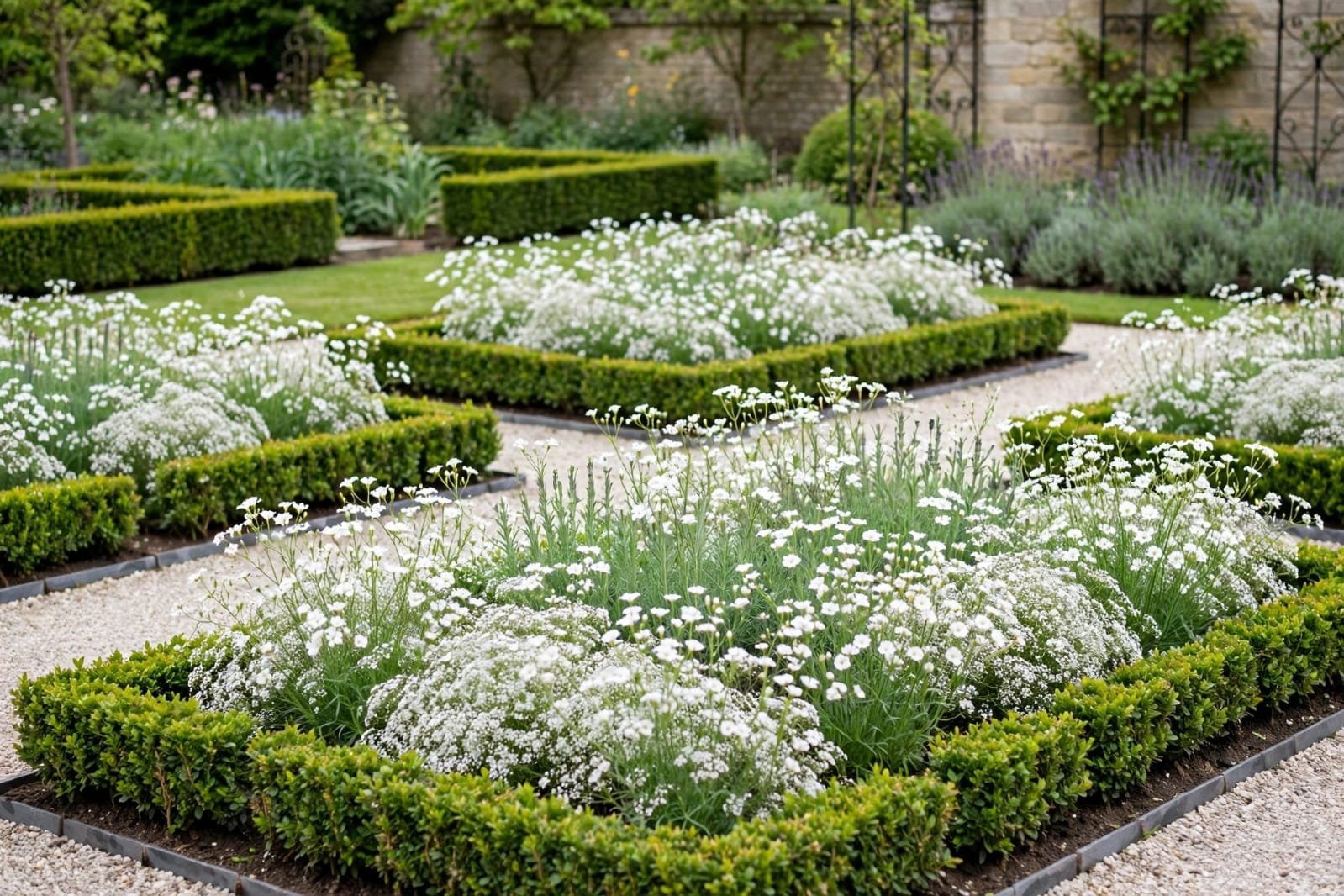
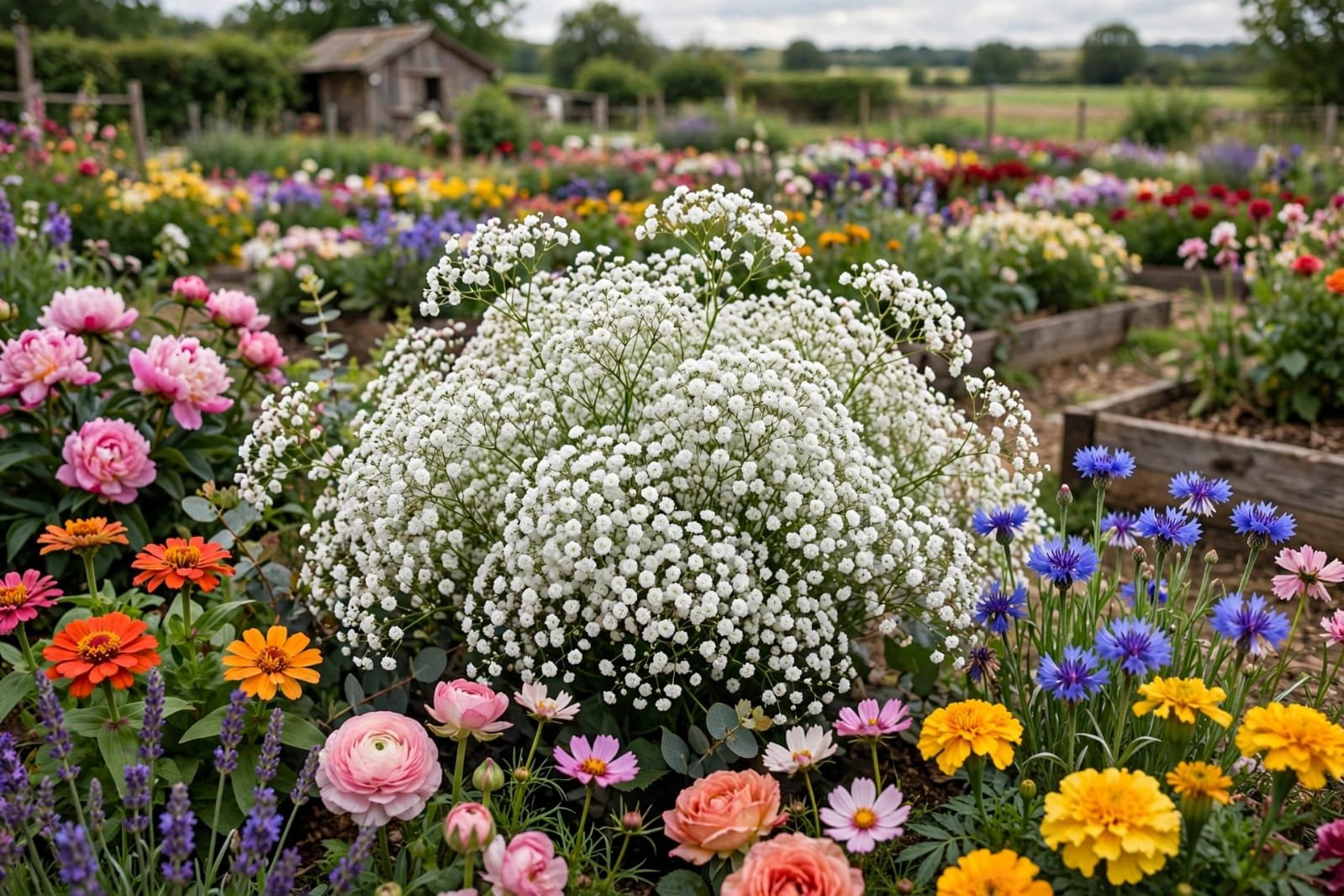
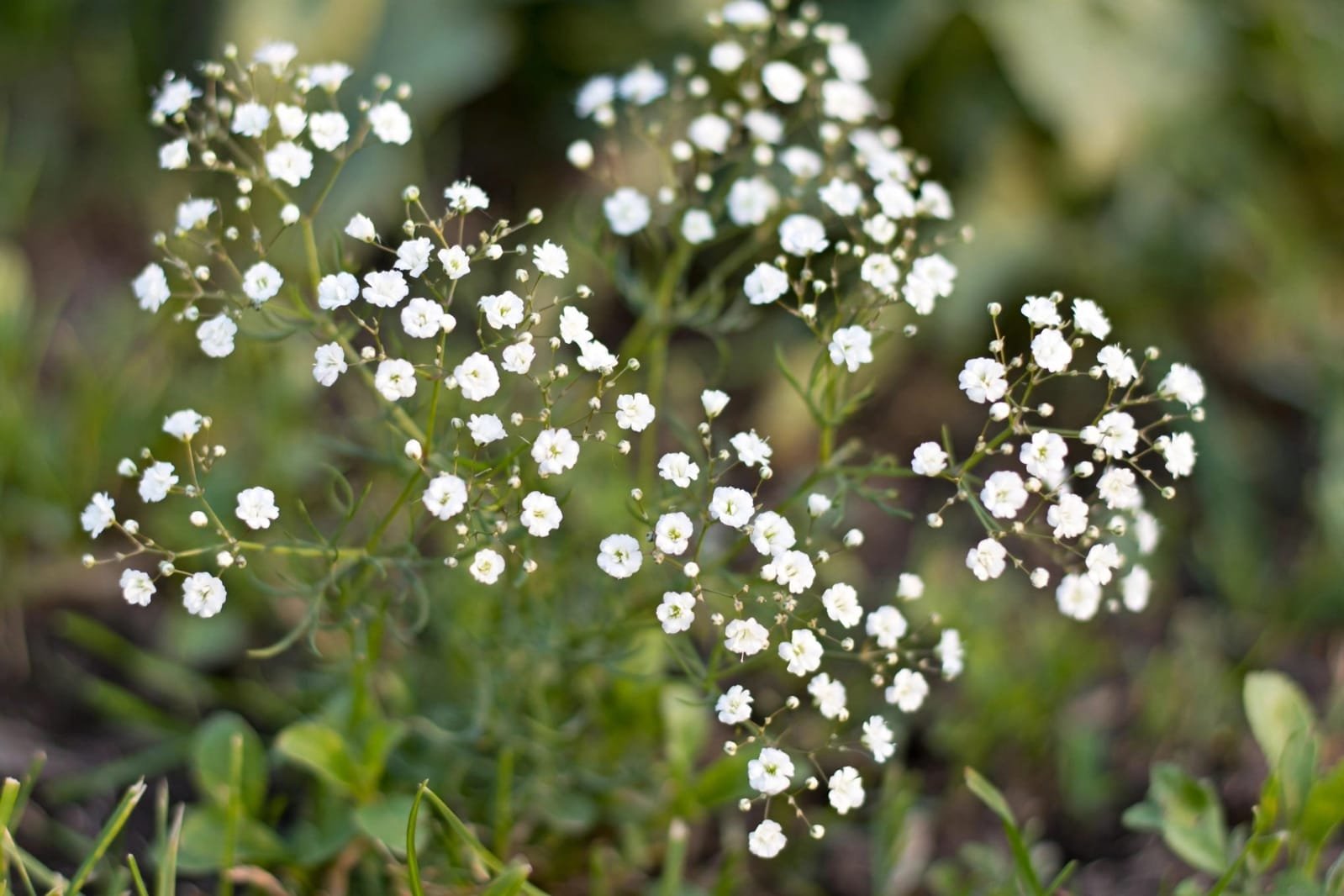
Perfect for South African gardeners, this classic heirloom variety produces cloud-like drifts of delicate white flowers that beautifully complement structural garden plants and vibrant blooms alike.

Whether you are looking to fill garden borders, enhance a cottage garden style, or grow your own fresh floral arrangements, these easy-to-grow annuals are an essential choice for your collection.

Product Features

  • Seed Count: Over 100 seeds per pack
  • Variety: Gypsophila elegans (Single White)
  • Quality: 100% heirloom, non-GMO seeds
  • Type: Hardy annual
  • Maturity: Fast-growing, blooming in approximately 8 to 12 weeks from sowing

Why You’ll Love Growing Baby’s Breath

  1. Excellent Cut Flower: A staple for flower arrangements, bridal bouquets, and dried floral crafts.
  2. Pollinator Friendly: The dainty white clusters attract bees, butterflies, and other beneficial pollinators to your garden.
  3. Low Maintenance: Once established, Gypsophila is relatively drought-tolerant and thrives in sunny South African conditions.
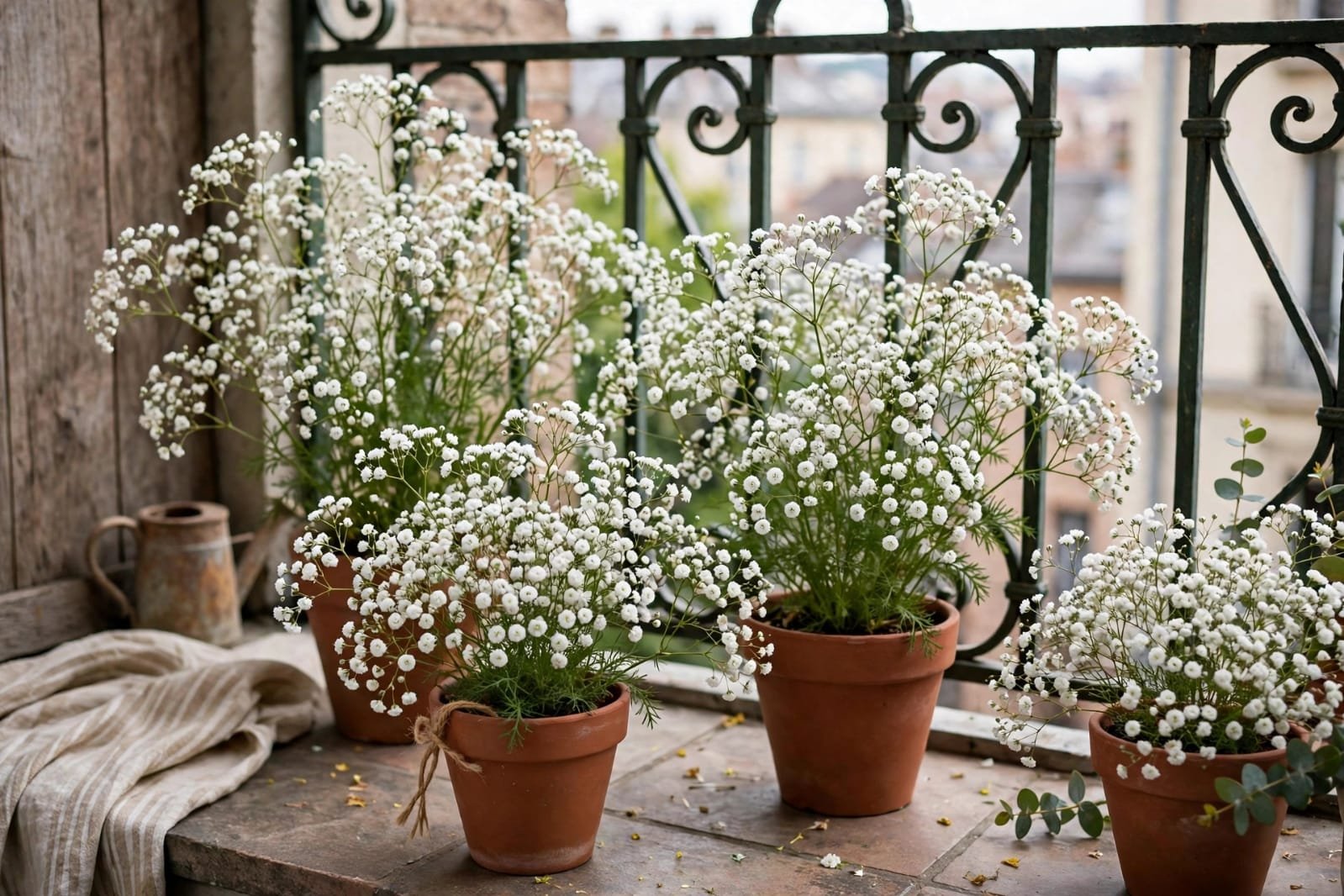
  4. Versatile Landscaping: Ideal for mass planting, rock gardens, borders, and mixed containers.

South African Planting & Care Guide

  • When to Plant: Sow in spring to early summer (September to December) across most of South Africa.
  • In frost-free regions, you can also sow in autumn.
  • Position: Full sun (at least 6 hours of direct sunlight daily).
  • Soil Preference: Well-drained, alkaline to neutral soil. Baby’s Breath loves chalky or slightly gritty soil and dislikes waterlogged roots.
  • Sowing Depth: Sow seeds shallowly (about 2mm deep) or press lightly into the soil, as they require light to germinate.
  • Germination: Takes 7 to 14 days under optimal conditions. Keep the soil moist but not soggy during this period.
  • Spacing: Thin seedlings to roughly 20cm to 30cm apart to allow for bushy growth.

Reviews

There are no reviews yet.

Be the first to review “Baby’s Breath (Gypsophila Single White)”

Your email address will not be published. Required fields are marked *

How to Grow Baby’s Breath from Seed

How to Grow Baby’s Breath (Gypsophila) from Seed: A Complete South African Guide

Growing Baby’s Breath (Gypsophila Single White) from seed is one of the most rewarding projects for South African gardeners.

Known for its airy, cloud-like drifts of delicate white flowers, this hardy heirloom annual is a must-have for cottage gardens, borders, and fresh cut-flower arrangements.

Whether you are a beginner or a seasoned green thumb, this comprehensive guide will show you how to successfully grow Baby’s Breath from seed to full bloom under South African conditions.

Quick Growing Overview

  • Difficulty: Easy
  • Sowing Season: Spring to early summer (September to December); Autumn in frost-free regions
  • Sunlight: Full sun (6+ hours of direct sunlight)
  • Germination Time: 7 to 14 days
  • Time to Bloom: 8 to 12 weeks
  • Ideal Soil pH: 7.0 to 8.0 (Alkaline to neutral)

Step 1: Choosing the Perfect Location

Baby’s Breath thrives in environments that mimic its native Mediterranean habitat.

To get the best results, select a spot in your garden that meets these core needs:

Maximum Sunlight: Choose a position that receives full sun. Shady spots will cause the stems to become weak, floppy, and leggy as they stretch toward the light.

Flawless Drainage: This plant hates “wet feet.” Avoid heavy clay or low-lying areas where water puddles after rain.

If your garden soil is heavy, consider growing them in raised beds, rockeries, or pots with ample drainage holes.

Sweet (Alkaline) Soil: Gypsophila literally translates to “gypsum-loving,” meaning it thrives in alkaline soil. If your soil is acidic, mix in a handful of agricultural lime a few weeks before planting.

Step 2: Sowing Baby’s Breath Seeds

Each pack of our premium heirloom seeds contains over 100 seeds, giving you plenty of opportunities to create dense, beautiful clusters. You can sow seeds directly into the garden bed or start them early in seed trays.

Option A: Direct Sowing (Recommended)

Because Baby’s Breath has a delicate taproot system, it dislikes being transplanted. Direct sowing often yields the strongest plants.

Prepare the soil: Weed the area thoroughly and rake the topsoil until it is fine and crumbly.

Sow shallowly: Scatter the seeds thinly over the soil surface. Press them lightly into the ground with your hand or a flat board. Do not bury them deeply, as Baby’s Breath seeds require light to trigger germination.

A microscopic dusting of fine sand or vermiculite over the seeds is more than enough.

Water gently: Mist the area with a fine spray nozzle so you do not wash the tiny seeds away. Keep the soil consistently moist but never waterlogged until sprouts appear.

Option B: Starting Indoors or in Trays

If you want an early start before the last spring frost, you can use biodegradable peat pots or seed trays.

Fill trays with a well-draining, high-quality seed starting mix.

Place 2 to 3 seeds per cell, pressing them gently onto the surface. Keep the trays in a warm, bright room or greenhouse.

Once seedlings reach about 5cm to 8cm tall, harden them off by placing them outdoors for a few hours a day, then plant them directly into the garden—pot and all, if using biodegradable pots—to avoid disturbing the roots.

Step 3: Thinning and Spacing

Once your seeds germinate (usually within 7 to 14 days), you will see tiny green shoots. When the seedlings develop their first set of true leaves, thin them out.

Space individual plants 20cm to 30cm apart. Crowded plants fight for air circulation and nutrients, which makes them more prone to fungal diseases during hot, humid South African summer days.

Step 4: Ongoing Care and Maintenance

Baby’s Breath is famously low-maintenance once it settles into its environment, but a little care goes a long way:

Watering: Water deeply once or twice a week during dry spells. Always water at the base of the plant rather than overhead to keep the foliage dry. Once established, the plants are relatively drought-tolerant.

Fertilising: Avoid high-nitrogen fertilisers, which encourage lush green leaves but reduce flower production. A light application of a balanced organic fertiliser or bone meal at planting time is usually all they need.

Support: In windy areas, the tall, delicate flower stems may require light support. You can use slender bamboo stakes or plant them densely so the stems naturally support one another.

Step 5: Harvesting and Deadheading

To Prolong Blooms: “Deadhead” (cut back) spent flower stalks after the first major flush of blooms. This encourages the plant to send up a second wave of fresh flowers.

For Floral Arrangements: Cut the stems when about half of the flowers on the panicle are open, and the other half are still tight buds. The remaining buds will open indoors in the vase.

Cut early in the morning for the longest vase life.

Baby’s Breath (Gypsophila) Growing Guide

The Ultimate Baby’s Breath (Gypsophila) Growing Guide for South Africa

Growing Baby’s Breath (Gypsophila Single White) from seed is one of the easiest ways to add effortless, cloud-like beauty to your garden.

Known for its delicate drifts of tiny white flowers, this heirloom annual is a favourite for cottage gardens, borders, and fresh floral arrangements.

Whether you are starting your first seed tray or designing a massive cutting garden, this complete guide covers everything you need to know to successfully grow Baby’s Breath under South African conditions.

📋 Quick Growing Overview

  • Sowing Season: Spring to early summer (September to December); Autumn in frost-free regions
  • Sunlight: Full sun (6+ hours of direct sunlight daily)
  • Germination Time: 7 to 14 days
  • Time to Bloom: 8 to 12 weeks from sowing
  • Ideal Soil pH: 7.0 to 8.0 (Neutral to slightly alkaline)
  • Water Needs: Low once established

Step 1: Choosing the Best Garden Spot

Baby’s Breath is native to Mediterranean environments, meaning it thrives in dry, sunny, and alkaline conditions. To get the best results, look for a spot that offers:

Uninterrupted Sunlight: Select a position that receives full sun. Shady spots cause the delicate stems to stretch toward the light, making the plant weak, floppy, and leggy.

Exceptional Drainage: This plant hates “wet feet.” Avoid low-lying areas or heavy clay where water puddles after heavy summer downpours.

If your soil is heavy, grow them in raised beds, rockeries, or pots with ample drainage holes.

Sweet Soil: Gypsophila literally translates to “gypsum-loving,” meaning it thrives in chalky, mineral-rich soil. If your garden soil is highly acidic, work a handful of agricultural lime into the bed a few weeks before planting.

Step 2: Sowing Baby’s Breath Seeds

Each pack of our premium heirloom seeds contains over 100 seeds, giving you plenty of opportunities to create dense floral clusters.

Because Baby’s Breath develops a delicate taproot, it genuinely dislikes being moved once it takes root.

Option A: Direct Sowing (Highly Recommended)

Prepare the Bed: Clear away all weeds and rake the top layer of soil until it has a fine, crumbly texture.

Sow Shallowly: Scatter the seeds thinly across the surface. Press them gently into the ground with your palm or a flat board. Do not bury them deeply, as Baby’s Breath seeds require light to trigger germination.

A microscopic dusting of fine sand or vermiculite over the seeds is more than enough.

Mist Gently: Water the area with a fine spray nozzle so you do not wash the tiny seeds away. Keep the top layer of soil consistently damp but never waterlogged until the sprouts appear.

Option B: Starting Indoors in Seed Trays

If you want to get an early start before the last spring frost, use biodegradable peat or paper pots.

Fill your pots with a well-draining seed starting mix. Place 2 to 3 seeds on the surface of each pot, pressing them down lightly.

Keep the trays in a warm, bright room or greenhouse. Once seedlings are roughly 5cm to 8cm tall, harden them off by placing them outdoors for a few hours a day.

Plant them directly into the garden—biodegradable pot included—to prevent root shock.

Step 3: Thinning and Spacing

Once your seeds germinate (usually within 7 to 14 days), you will see tiny green shoots pushing through.

When your seedlings develop their first set of true leaves, thin them out to leave a space of 20cm to 30cm between each plant.

Crowded plants fight for airflow and nutrients, which leaves them vulnerable to fungal issues during humid South African summer days.

Step 4: Maintenance and Care

Once established, Baby’s Breath is beautifully low-maintenance:

Watering: Water deeply once or twice a week during dry spells. Always apply water directly to the base of the plant to keep the foliage dry.

Fertilising: Avoid high-nitrogen fertilisers, which encourage massive green leaves but drastically reduce flower production. A light application of a balanced organic fertiliser or bone meal at planting time is all they need.

Wind Protection: In windy highveld or coastal areas, the tall, delicate flower stems may require light support. You can use slender bamboo stakes or plant them in dense drifts so the stems naturally prop each other up.

Step 5: Deadheading and Floral Harvesting

To Prolong Blooms: “Deadhead” (cut back) spent flower stalks after the first major flush of blooms. This encourages the plant to send up a second wave of fresh flowers.

For Flower Arrangements: Cut the stems early in the morning when about half of the flowers on the stem are completely open, and the other half are still tight buds. The remaining buds will open beautifully indoors in a vase.

Baby’s Breath Other Names

A Guide to Baby’s Breath Names: Botanical, Common, and Regional Terms

When searching for garden seeds, floral arrangements, or landscaping ideas, you might run into several different names for the same delicate white flower.

While most South Africans know it simply as Baby’s Breath, this beautiful heirloom flower goes by many alternative names globally and botanically.

Understanding these names will help you find the exact variety you want for your garden and ensure you buy high-quality seeds.

The Official Scientific Name: Gypsophila

The exact botanical name for the classic, fast-growing white variety sold in our store is Gypsophila elegans (often referred to generically across the family as Gypsophila).

This scientific name tells a fascinating story about what the plant needs to thrive:

“Gypsos” is the Greek word for gypsum or chalk.

“Philos” is the Greek word for loving.

Literally translated, Gypsophila means “gypsum-loving.” This is an important clue for your garden layout, as it reminds you that these seeds thrive in alkaline, mineral-rich soils and absolutely hate acidic conditions.

Popular Common Names Around the World

Depending on the country or the specific floral industry, you will find Gypsophila listed under several colorful common names:

Baby’s Breath: The most famous common name. It earned this poetic title because of its incredibly light, innocent, and delicate appearance, reminiscent of a sleeping infant’s gentle breath.

Gyp: This is the universal shorthand used by florists, commercial flower growers, and wholesale markets worldwide. If you are ordering flowers in bulk for a wedding, you will almost always hear it called “Gyp.”

Chalk Plant: Mainly used in parts of the United Kingdom and Europe, this name points directly to the plant’s natural wild habitat, where it grows aggressively over chalky cliffs and lime-rich slopes.

Soap Root: Certain wild perennial cousins of our garden variety are referred to as soap root. The roots contain high levels of saponins, which create a natural, cleansing foam when boiled in water.

Regional and Language Translations

If you are browsing international gardening blogs or looking up regional South African terms, keep an eye out for these translations:

Bruidssluier (Afrikaans): Translating directly to “Bridal Veil,” this beautiful local name perfectly describes how a mass planting of Gypsophila Single White looks like a flowing, lace-like veil draped over your garden beds.

Schleierkraut (German): Meaning “Veil Herb,” matching the traditional European use of the flower as a misty backdrop in dense cottage gardens.

Gipsofila (Spanish / Italian): The phonetic adaptation of the botanical genus used widely across Mediterranean seed markets.

Making Sense of Perennial vs. Annual Varieties

When shopping online, it is easy to get confused by different names on seed packets. The Gypsophila family is primarily split into two main garden types:

Gypsophila elegans (Annual Baby’s Breath): This is the fast-growing variety featured in our shop. It shoots up quickly, producing larger individual white flowers in just 8 to 12 weeks. Each pack contains over 100 seeds to help you plant dense, stunning drifts in a single season.

Gypsophila paniculata (Perennial Baby’s Breath): A slower-growing, long-lived bush variety. It produces much smaller, highly complex double-rimmed flowers on intricate, woody branches over several years.

Shopping Basket
0
    0
    Your Cart
    Your cart is emptyReturn to Shop
    Scroll to Top