,

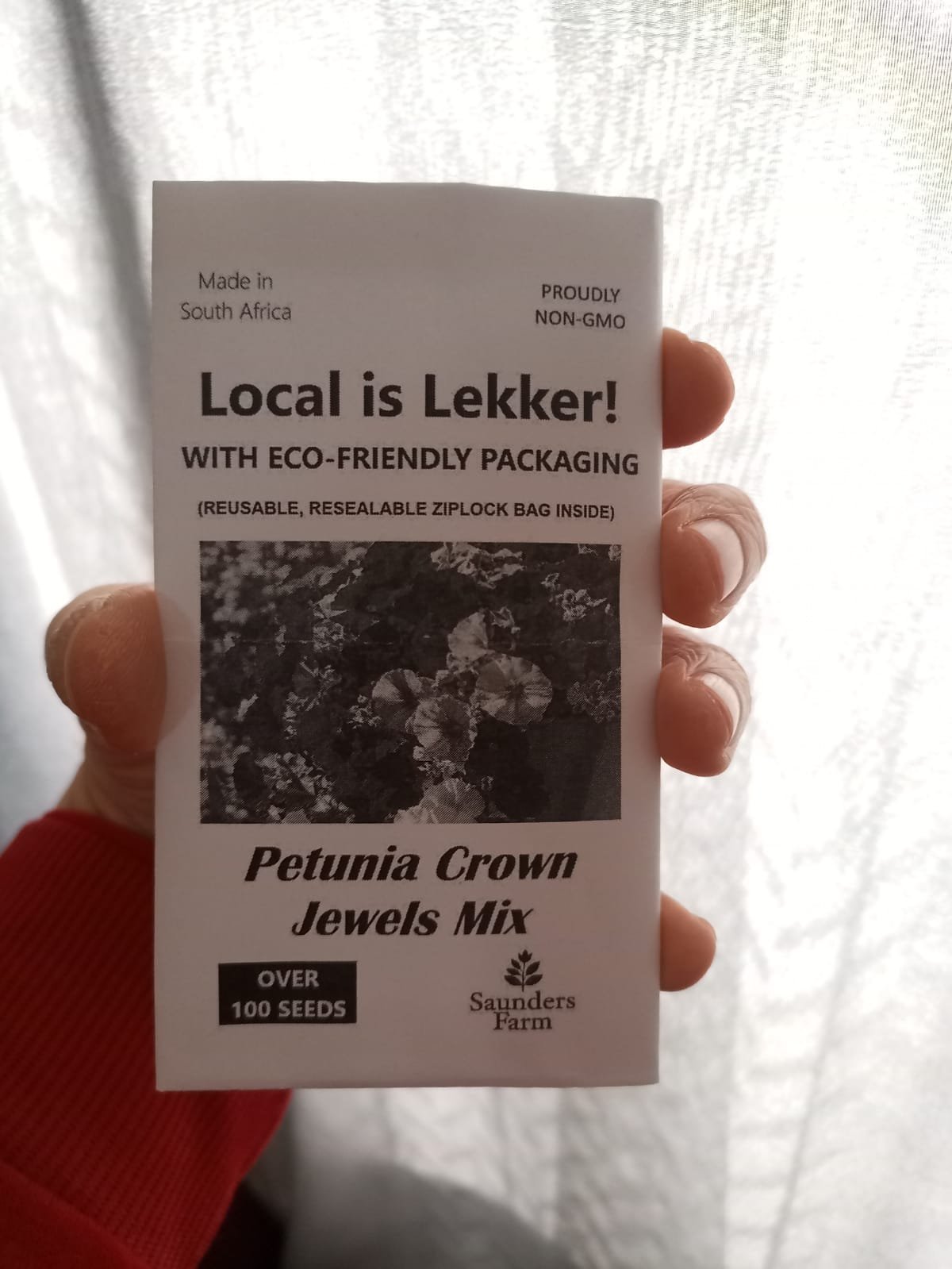
Petunia Mix – Over 100 Seeds

R15.00

Excluding shipping
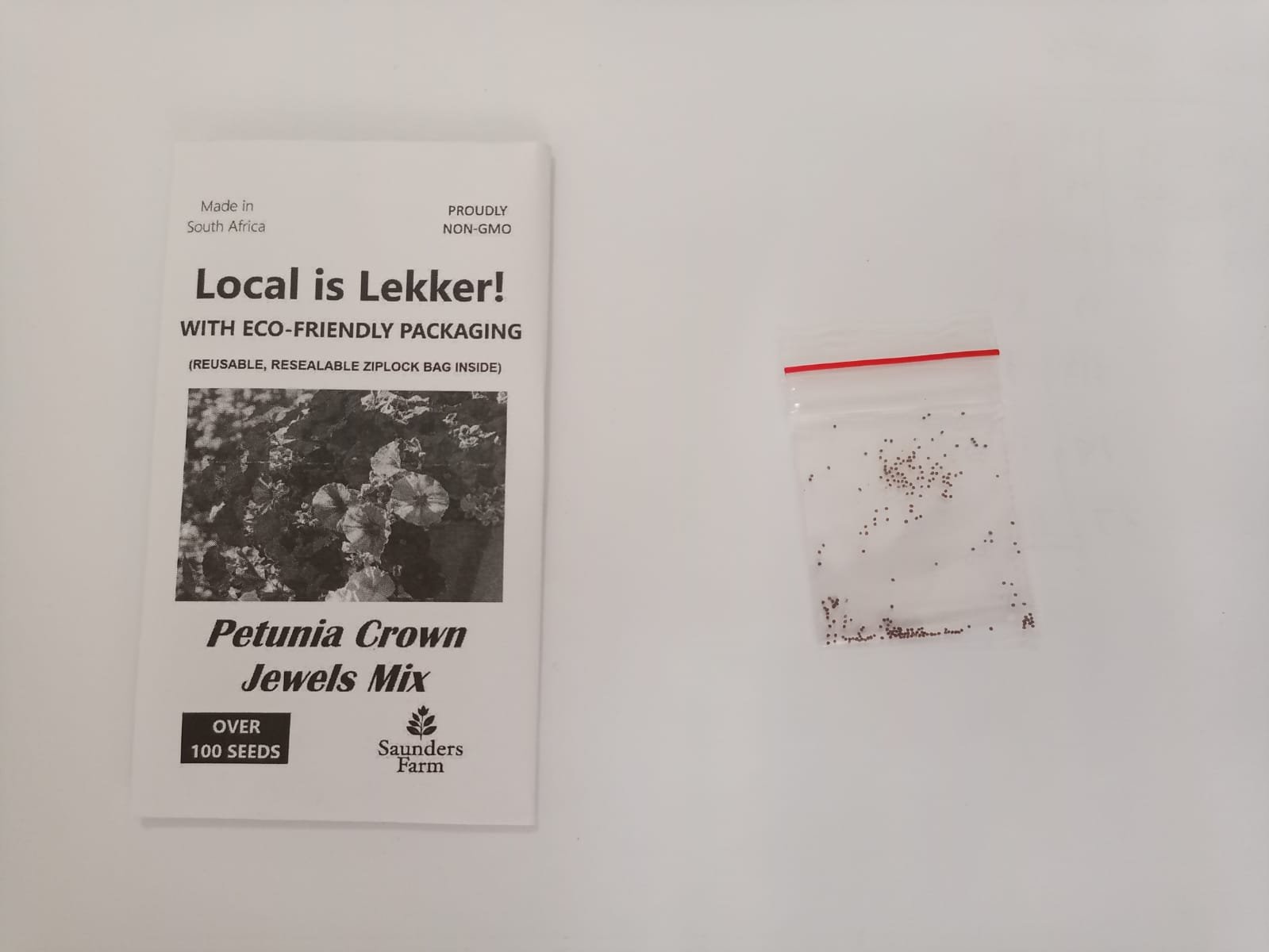
  • Over 100 Petunia (Crown Jewels Mix) Seeds
  • Join our WhatsApp Group to see when this product goes on special: https://chat.whatsapp.com/Ly1HQgXpYGXL2ffDGXUl4G
  • Proudly non-GMO
  • ECO-FRIENDLY: Biodegradable packaging with resealable, reusable plastic Ziplock bag inside
  • Made in South Africa, for South Africa

Availability: 48 in stock

Guaranteed Safe Checkout

Petunia Mix (Crown Jewels Mix) Seeds – Heirloom & Non-GMO

Bring a brilliant explosion of color to your garden with our premium Crown Jewels Mix Petunia seeds.

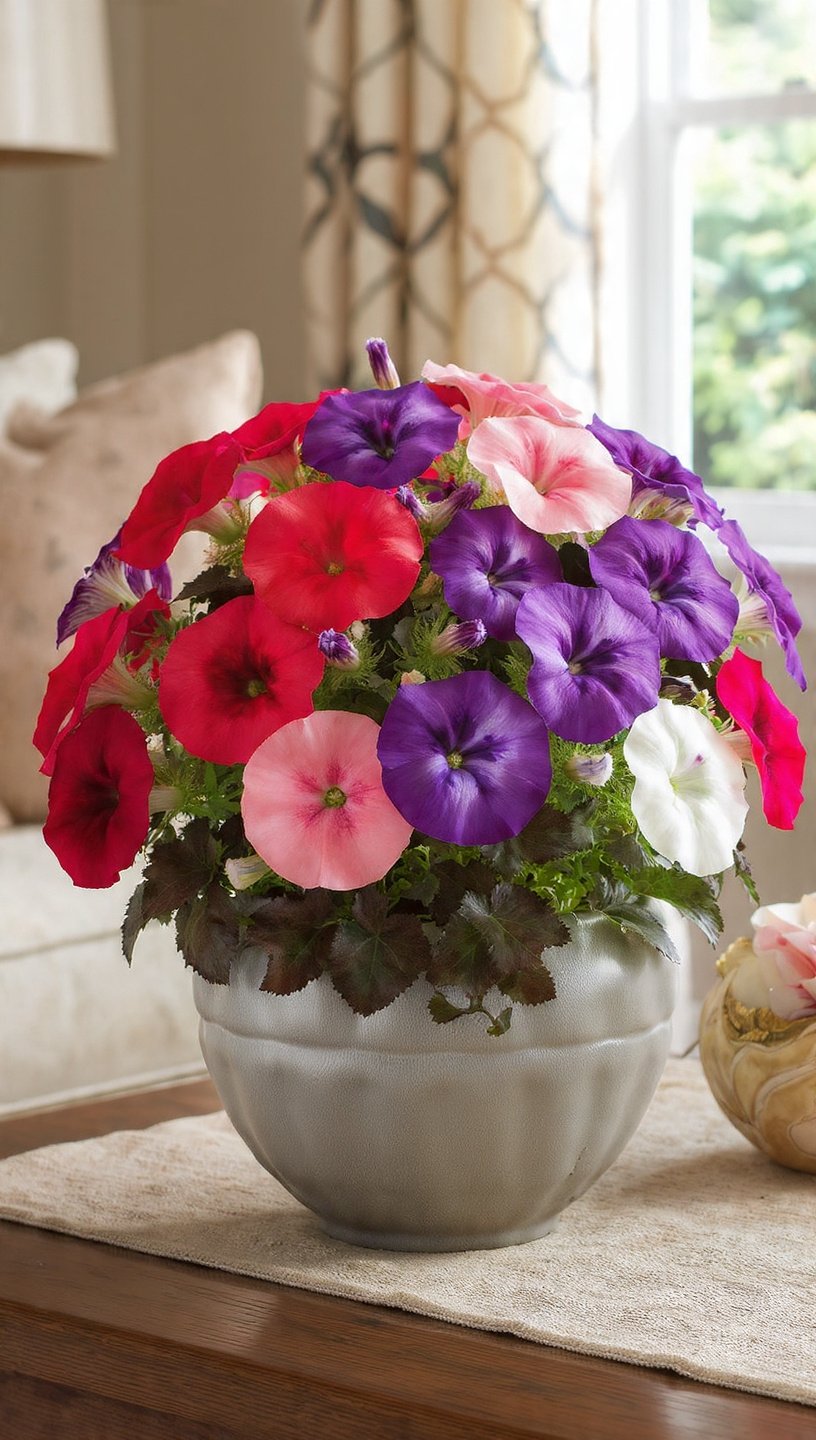
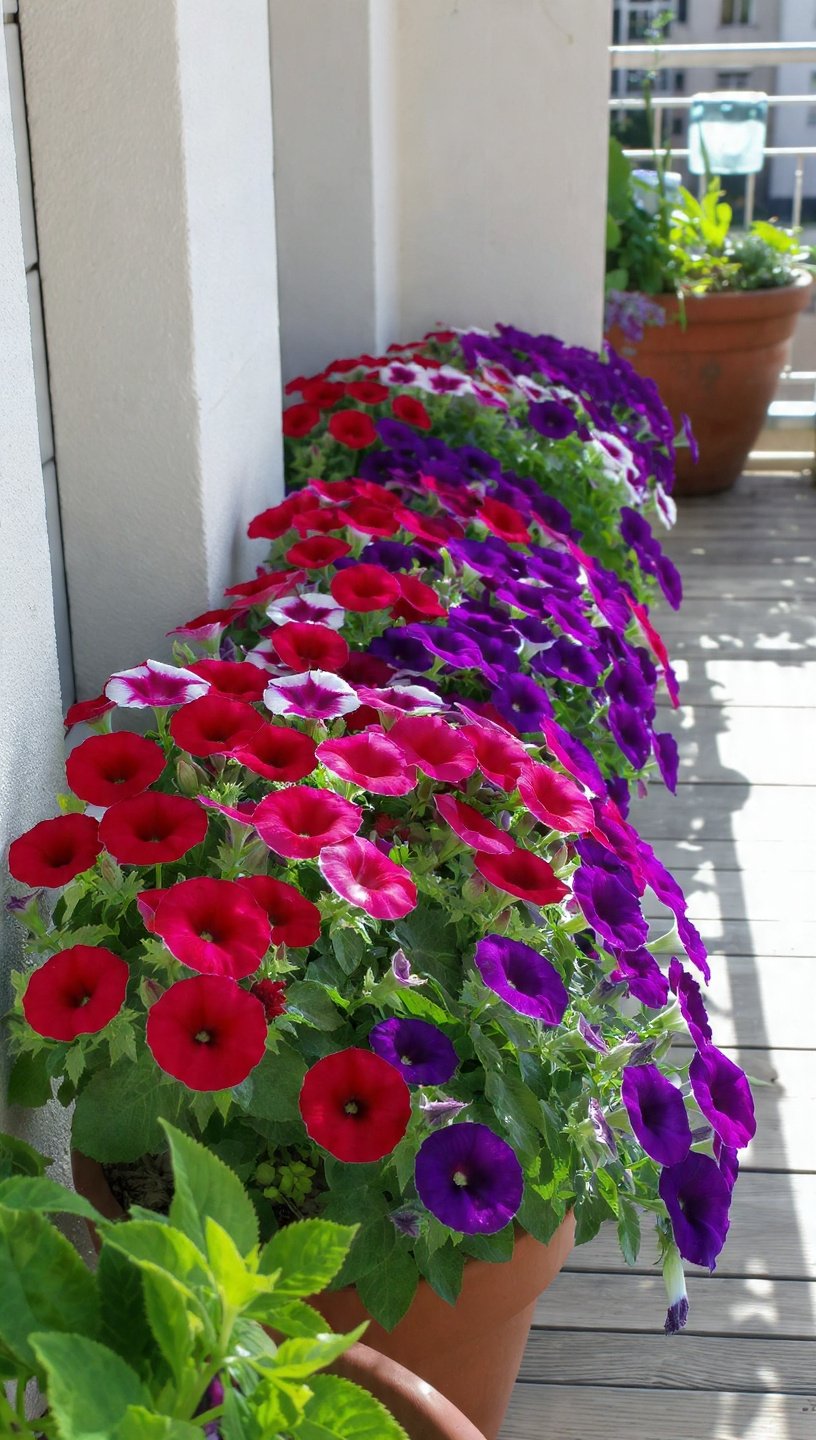
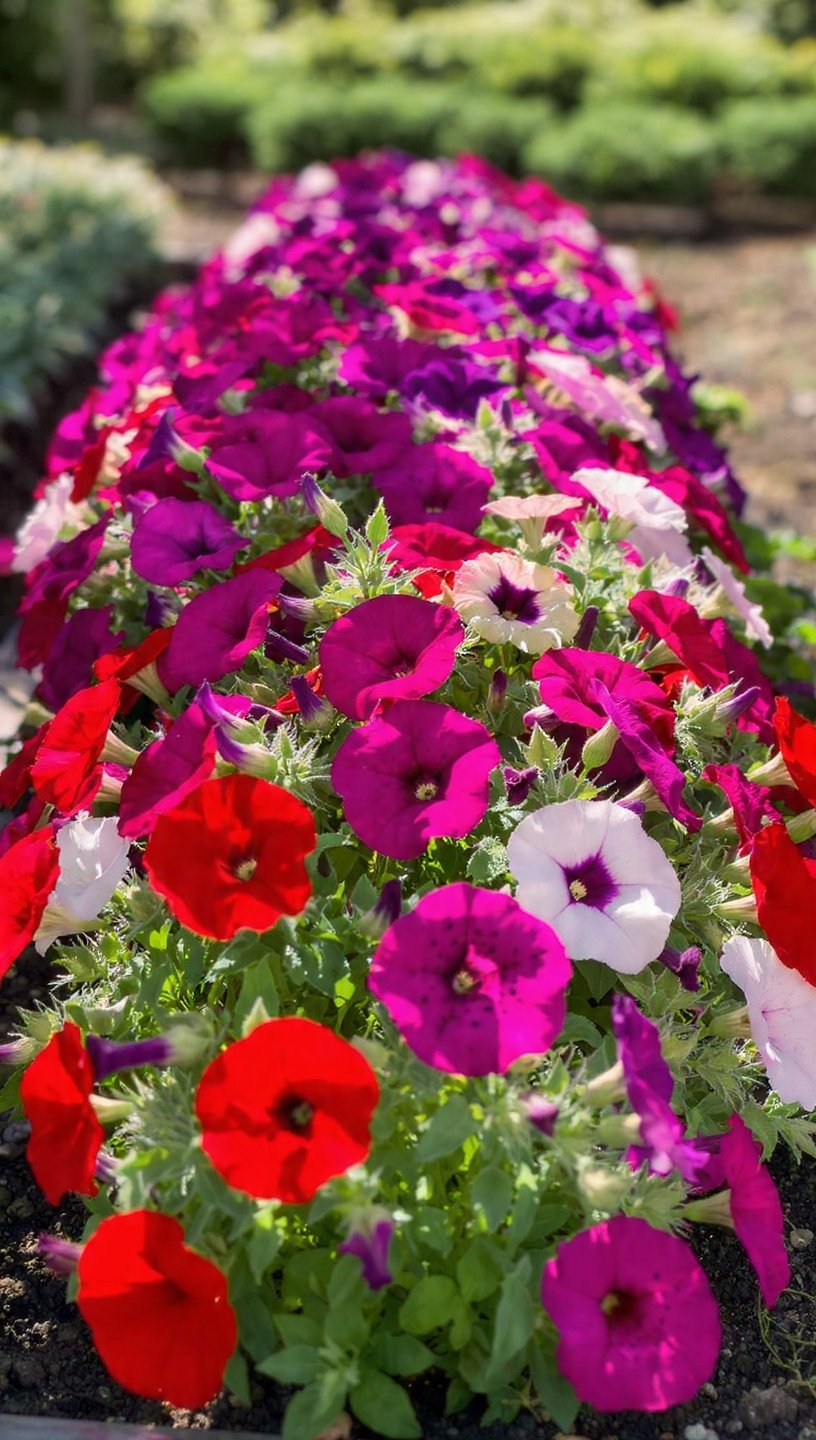
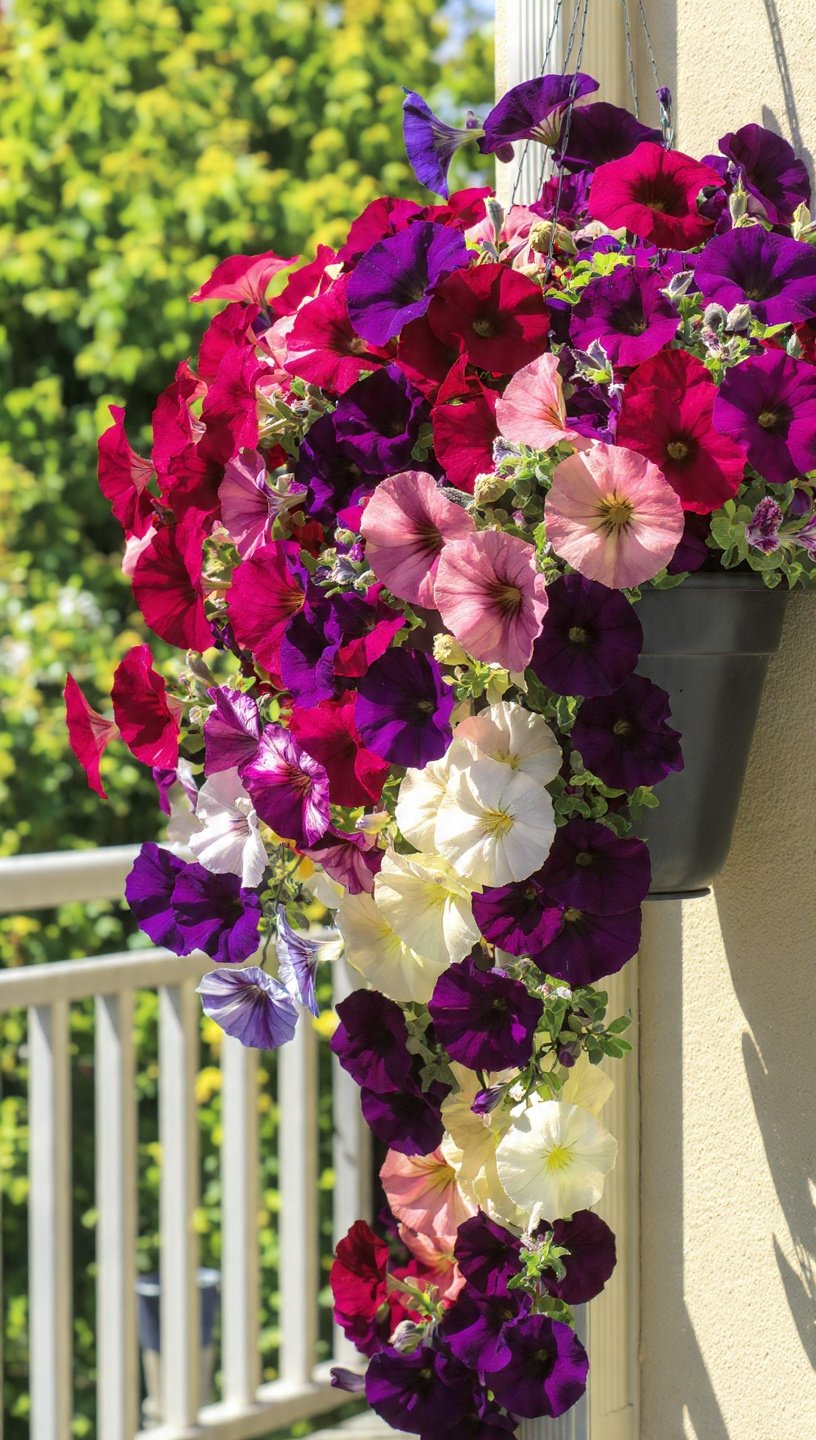
This spectacular heirloom mix features a royal tapestry of velvety blooms, including deep purples, rich crimsons, vibrant pinks, and pure whites.

Specially curated for South African conditions, these non-GMO flower seeds are the ultimate choice for creating eye-catching focal points in your outdoor spaces.

Petunias are incredibly popular across South Africa because they thrive in our sunny climate. They bloom continuously from spring right through to the first winter frosts.

This versatile variety grows beautifully in hanging baskets on sunny patios, cascades elegantly over retaining walls, and creates dense, colorful groundcovers in garden beds.

Product Features

  1. Premium Quality: Heirloom, non-GMO, and open-pollinated flower seeds.
  2. Generous Quantity: Each pack contains over 100 seeds for extensive garden coverage.
  3. Stunning Variety: A breathtaking blend of single, trumpet-shaped flowers in a wide array of jewel tones.
  4. Extended Blooming: Produces a massive, continuous display of flowers for months on end.
  5. South African Climate Ready: Highly heat-tolerant and adaptable to various local soil types.

Growing Instructions

Sowing Depth: Sow on the soil surface. Petunia seeds need light to germinate.

Spacing: Space seedlings roughly 20cm to 25cm apart.

Germination: Takes 7 to 14 days under warm, moist conditions.

Sunlight: Full sun (at least 6 hours of direct sunlight daily).

Watering: Water regularly at the base of the plant. Keep soil moist but well-drained.

Care Tip: Pinch back young stems to encourage a bushier habit and more abundant flowers.

logo simple

Stop Killing Your Seeds!

5 Germination Mistakes Gardeners Must Stop Immediately

Get this free guide (5 minute read) and The Printable Monthly Growing Guide for South Africa (also free), via email:

We don’t spam! Read our privacy policy for more info.

Reviews

There are no reviews yet.

Be the first to review “Petunia Mix – Over 100 Seeds”

Your email address will not be published. Required fields are marked *

How to Grow Petunia from Seed

How to Grow Petunias from Seed: A Step-by-Step South African Guide

Growing petunias from seed is one of the most rewarding and budget-friendly ways to flood your garden with vibrant, continuous color.

While many gardeners rely on expensive nursery trays, starting petunias from seed gives you access to stunning heirloom varieties like our Crown Jewels Mix.

With a little patience and the right technique, you can easily raise healthy, robust seedlings perfectly adapted to our local climate. This comprehensive guide walks you through the entire process from seed tray to full summer bloom.

Understanding Petunia Preferences

To get the most out of your seeds, it helps to understand what petunias need to thrive:

Climate: Petunias love the warmth. In South Africa, they are grown as summer annuals, blooming non-stop from spring until the first winter frosts.

Sunlight: They require full sun—at least 6 hours of direct sunlight daily—to produce their characteristic abundance of trumpet-shaped flowers.

Soil: They need loose, nutrient-rich, and exceptionally well-draining soil. They absolutely hate waterlogged roots.

Step 1: Time Your Planting Perfectly

Petunias are sensitive to frost, so timing your planting depends heavily on your local South African region:

Inland Frost Regions (Gauteng, Free State, Highveld): Start seeds indoors or in a greenhouse 6 to 8 weeks before the last expected frost (usually around June or July) to get a head start. Alternatively, sow them directly outdoors in spring (September to October) once all risk of frost has passed.

Subtropical Regions (KwaZulu-Natal): You can sow petunias in late winter or early spring, as they will enjoy the milder temperatures before the intense mid-summer humidity sets in.

Winter Rainfall Regions (Western Cape): Sow indoors in late winter or directly outdoors from mid-spring onwards.

Step 2: Prepare Your Seed Trays

Petunia seeds are tiny and require a controlled environment for the best germination rates.

Use a clean seedling tray or small seed starter pots with plenty of drainage holes.

Fill the tray with a premium, fine-textured seed starting mix. Do not use heavy garden soil, as it will compress and suffocate the tiny seeds.

Water the mix thoroughly before planting so the soil is evenly damp but not muddy.

Step 3: Sowing the Seeds (The Light Secret)

The most critical rule when growing petunias from seed is that they require light to germinate.

Gently sprinkle the seeds over the surface of the damp soil. Space them out as evenly as possible.

Do not cover the seeds with soil. Instead, press them down very gently with your fingertip or a flat piece of cardboard so they make firm contact with the moist growing medium.

Note: Because our premium packs contain over 100 seeds, you will have plenty of seeds to fill multiple trays for a massive garden display.

Step 4: Managing Heat and Moisture

Watering: Because the seeds sit directly on top of the soil, they can easily wash away. Never water them with a watering can. Instead, use a spray bottle adjusted to a very fine mist to keep the surface damp.

Humidity: Cover your seed tray with a clear plastic dome or a sheet of plastic wrap to trap moisture. Place the tray in a warm, bright spot out of direct, scorching sunlight.

Patience: Keep the temperature around 21°C to 24°C if growing indoors. Your petunia seeds should begin to sprout within 7 to 14 days.

Airflow: Remove the plastic cover immediately once the first green shoots appear to prevent fungal issues like “damping off.”

Step 5: Caring for Young Seedlings

Move to Light: Once sprouted, move your seedlings to a highly bright windowsill or under grow lights. If they do not get enough light, they will become tall, weak, and “leggy.”

Feeding: When the seedlings develop their second set of true leaves, begin feeding them once a week with a highly diluted, water-soluble organic liquid fertilizer.

The “Pinch” Trick: When your young plants reach about 5cm to 8cm tall, pinch off the very top growing tip. This forces the plant to branch out, creating a bushier shape that will eventually produce far more flowers.

Step 6: Transplanting into the Garden or Containers

Before moving your indoor-raised seedlings directly into the harsh South African sun, you must “harden them off.”

Move the trays outdoors into a sheltered, shady spot for a few hours a day, gradually increasing their exposure to sun and wind over the course of a week.

In Garden Beds: Dig plenty of organic compost into your garden soil. Space your petunia plants roughly 20cm to 25cm apart.

In Pots & Hanging Baskets: Use a high-quality potting soil mixed with a handful of slow-release fertilizer. Petunias cascade beautifully, making them perfect for elevated containers.

Step 7: Ongoing Care for Maximum Blooms

Deadheading: Remove faded or wilted flowers regularly by pinching off the stem just below the flower base. This prevents the plant from setting seed and forces it to redirect its energy into creating fresh new buds.

Watering Strategy: Water deeply at the root zone once or twice a week. Containers and hanging baskets dry out much faster and may require daily watering during the peak of summer.

Mid-Summer Trim: If your petunias begin to look straggly or woody in January or February, do not be afraid to cut the stems back by half. Give them a good feed of liquid fertilizer, and they will quickly bounce back with a fresh flush of lush foliage and bright blooms.

Petunia Growing Guide

Petunia Growing Guide: From Seed to South African Summer Bloom

Petunias are the undisputed royalty of the South African summer garden. Renowned for their non-stop blooming cycle, heat tolerance, and spectacular trumpet-shaped flowers, they add vibrant life to any outdoor space.

Heirloom blends like our Crown Jewels Mix deliver a breathtaking tapestry of rich crimsons, deep purples, velvet pinks, and crisp whites.

Whether you want to cascade color over a hanging basket on a sunny patio or create a dense, weed-suppressing groundcover in your garden beds, this definitive guide provides all the practical information you need to succeed.

Quick Reference Facts

Botanical Name: Petunia × hybrida

Plant Type: Tender perennial grown as a summer annual

Sun Exposure: Full sun (minimum 6 hours of direct sunlight daily)

Soil Requirements: Loose, rich, well-draining potting mix or garden soil

Ideal Soil pH: Slightly acidic to neutral (6.0 to 7.0)

Sowing Depth: Surface sow (do not cover with soil)

Germination Time: 7 to 14 days

Spacing: 20cm to 25cm apart

Time to Flower: 10 to 12 weeks from sowing

When to Plant Petunias in South Africa

Petunias love hot weather but hate frost. Getting your timing right depends entirely on your local climate:

Inland Frost Regions (Gauteng, Free State, Highveld): Start your seeds indoors or in a protected greenhouse area during winter (June to July) to get a massive head start. Alternatively, sow them directly outdoors in spring (September to October) once all danger of frost has passed.

Winter Rainfall Regions (Western Cape): Sow seeds indoors from late winter onwards. Move them out into the garden from mid-spring when the rainy season transitions into warm, sunny weather.

Subtropical Regions (KwaZulu-Natal coast, Limpopo): Plant out during the milder winter and early spring months to enjoy peak blooms before the overwhelming mid-summer humidity sets in.

Step 1: Choosing Your Growing Method

Because petunia seeds are exceptionally tiny, sowing them directly into open garden beds can be risky, as wind and heavy rain can easily wash them away.

For the absolute highest success rates, we highly recommend starting them in seedling trays before transplanting.

Note: Since our premium heirloom packs contain over 100 seeds, you will have more than enough seeds to fill multiple trays and create a massive garden display.

Step 2: Preparing the Seedling Trays

Select a clean seedling tray or small seed pots with ample drainage holes.

Fill the containers with a fine-textured, premium seed-starting mix. Avoid heavy garden soil, which compresses easily and smothers tiny roots.

Pre-water the soil mix thoroughly until it is evenly damp but not muddy. Let any excess water drain out completely.

Step 3: Sowing the Seeds (The Light Secret)

The most important rule when growing petunias from seed is that the seeds require light to trigger germination.

Sprinkle the tiny seeds carefully across the surface of the damp soil. Try to space them out evenly.

Do not bury or cover the seeds with soil. Instead, press them down very gently using your fingertip so they make secure contact with the moist growing medium.

Mist the surface very gently with a water spray bottle set to a fine setting.

Step 4: Managing Germination Moisture

Cover Up: Cover your seed tray with a clear plastic dome or a sheet of plastic wrap to trap humidity and keep the surface from drying out.

Warmth and Light: Place the tray in a warm spot (ideally between 21°C and 24°C) that receives bright, indirect light. Avoid direct, scorching midday sun at this stage.

Patience: Keep the soil consistently damp using your spray bottle. Your petunia seeds will start to sprout within 7 to 14 days.

Uncover: Remove the plastic cover immediately the moment you notice the first green shoots emerging to prevent fungal damping-off.

Step 5: Caring for Young Seedlings

Prevent Legginess: Move the uncovered sprouts to an exceptionally bright windowsill or under grow lights. If they do not receive enough light, they will grow tall, thin, and weak.

Feeding: Once the seedlings develop their second set of true leaves, feed them once a week with an organic, water-soluble liquid fertilizer diluted to half-strength.

The “Pinch” Trick: When your young petunia plants reach about 5cm to 8cm tall, pinch off the very top growing tip. This stimulates the plant to branch out horizontally, ensuring a compact, bushy plant that produces double the amount of flowers later on.

Step 6: Transplanting into the Garden

Before planting your indoor-raised seedlings into the harsh sun, you must “harden them off.”

Place the trays outdoors in a sheltered, shady spot for a few hours a day, gradually increasing their exposure to direct sunlight and wind over the course of a week.

In Garden Beds: Turn over the soil deeply and mix in plenty of rich organic compost. Space the petunias 20cm to 25cm apart to allow them to weave together into a dense floral mat.

In Pots & Hanging Baskets: Use a premium, free-draining potting soil mixed with a handful of organic, slow-release fertilizer granules.

Step 7: Ongoing Care for Continuous Blooming

Watering Rules

Water your petunias deeply at the root zone once or twice a week during summer. Avoid overhead watering, as wet flowers can turn mushy and become susceptible to fungal diseases.

Keep in mind that hanging baskets and terracotta pots dry out rapidly in the South African summer heat and may require daily watering.

Deadheading (Pinching Faded Blooms)

To keep your petunias blooming continuously for months, you must deadhead them regularly. This means pinching or snipping off faded, withered flowers along with the tiny green base stem beneath them.

This stops the plant from wasting energy producing seeds and forces it to constantly push out fresh flower buds.

The Mid-Summer Trimming Lifeline

By January or February, petunias can sometimes look a bit straggly, long, or woody. Do not be afraid to give them a hard pruning!

Cut the long stems back by half, apply a generous dose of organic liquid fertilizer, and water deeply.

Within two weeks, your plants will bounce back with lush new green growth and an abundant fresh flush of colorful blooms that will last until winter.

Petunia Other Names

A Guide to Petunia’s Other Names: Botanical, Cultural, and South African Terms

When shopping for flower seeds like our Crown Jewels Mix online, understanding plant names can help you plan your garden perfectly.

Depending on whether you are chatting with a local nurseryman, reading an international landscaping blog, or speaking one of our local South African languages, you might encounter a few different terms for this beloved summer flower.

This guide breaks down the botanical, common, and local names for petunias to help you shop with absolute confidence.

1. The Botanical Name (Scientific Classification)

Official Name: Petunia × hybrida (sometimes listed as Petunia × atkinsiana)

The Breakdown: The word Petunia actually comes from a localized South American Tupi-Guarani word, petum or pety, which translates to “tobacco.” If you think the plants look similar, you are entirely correct!

Petunias belong to the Solanaceae (Nightshade) family, making them close botanical cousins to tobacco, potatoes, tomatoes, and brinjals.

The “× hybrida” part signifies that the vibrant garden petunias we love today are the result of successful historical cross-breeding between two wild South American species (Petunia axillaris and Petunia integrifolia).

2. Common Names by Growth Habit and Style

In the gardening world, petunias are often sub-categorised by names that describe how they grow and bloom. When buying seeds, you might hear these descriptive common names:

Grandiflora Petunias: This term refers to varieties with the largest, classic trumpet-shaped flowers. They look spectacular but prefer protection from heavy, crushing South African summer thundershowers.

Multifora Petunias: These varieties produce slightly smaller flowers but in much greater, denser numbers. They are highly resilient against wind and heavy rain.

Milliflora Petunias: Miniature petunias that grow into compact, tiny mounds. They are ideal for small window boxes or tight border edges.

Trailing or Wave Petunias: A popular descriptive name for petunias that grow vigorously sideways and downwards, cascading beautifully over the edges of hanging baskets and retaining walls.

3. Local South African Names and Common Confusion

Because petunias are an international staple, the name “Petunia” is widely used and universally understood across most nurseries in South Africa.

However, our rich linguistic diversity adds a few local touches:

Petunia (Afrikaans, isiZulu, isiXhosa): The name remains largely unchanged across our official languages due to its deeply entrenched botanical status. It is phonetically adapted in casual spoken conversation across various provinces.

The “Wild Petunia” Confusion (Ruellia humilis): This is a critical distinction for online shoppers. If you are researching traditional remedies online and see references to the medicinal uses of “Wild Petunia,” this does not refer to the garden petunia.

It refers to an entirely unrelated plant genus called Ruellia. Common garden petunias are strictly ornamental and should never be consumed.

Why Choose the Crown Jewels Mix?

No matter what you call them, our premium heirloom petunia seeds are selected for their incredible genetic diversity. While modern synthetic varieties are often cloned for single colors, our heirloom mix delivers an unpredictable, royal tapestry of deep velvety purples, rich crimsons, pinks, and whites.

Note: Each of our premium packs contains over 100 seeds, giving you more than enough variety to see a full spectrum of these stunning jewel tones burst into life.

Shopping Basket
0
    0
    Your Cart
    Your cart is emptyReturn to Shop
    Scroll to Top