Red Marog (Amaranthus): Powerful Health Benefits, Medicinal and Nutritional Uses
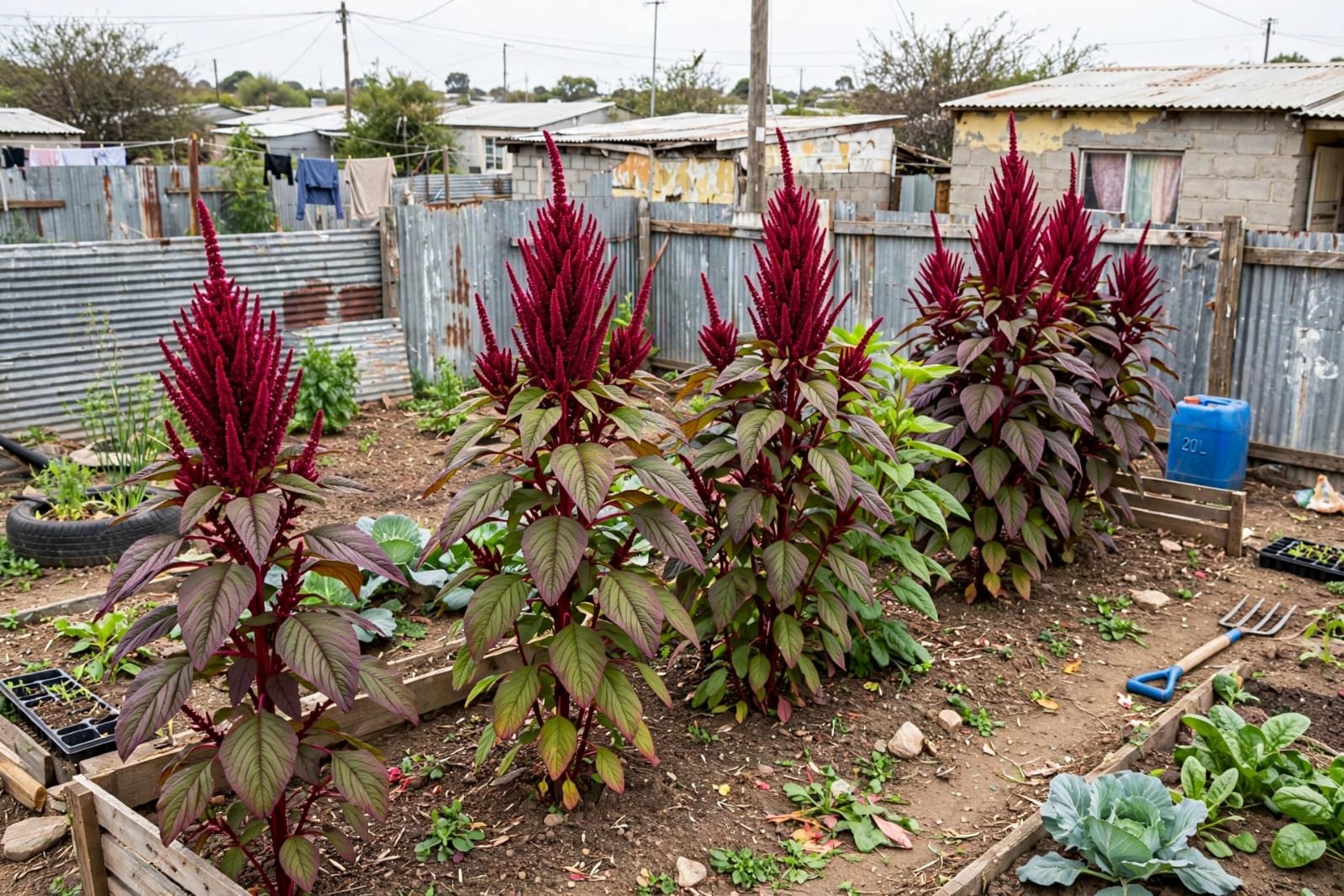
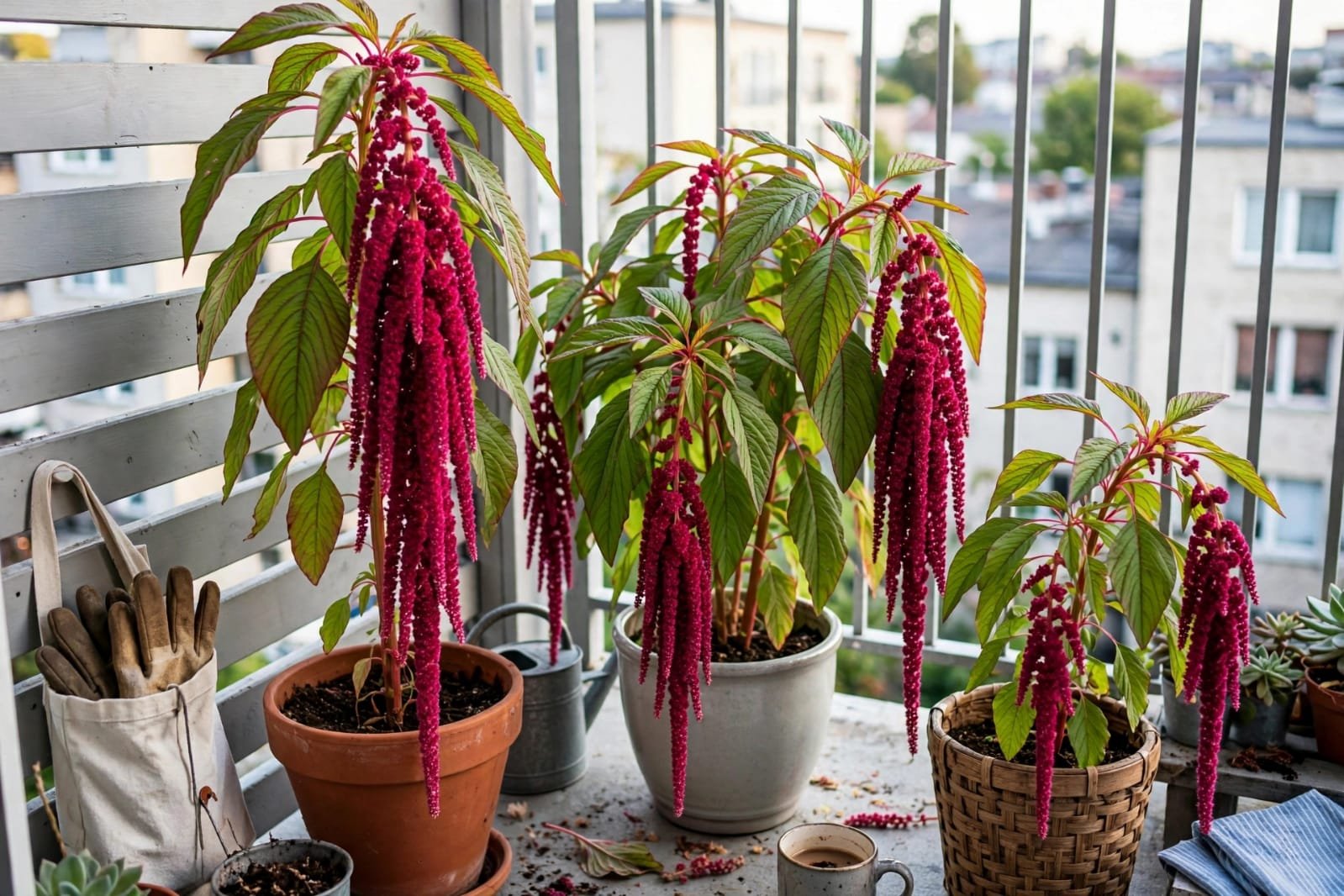
In South Africa, Red Marog—widely known as Amaranthus, African Spinach, Morogo, or Imifino—is highly celebrated as a resilient, sun-loving garden staple.
However, this vibrant heirloom plant is far more than an affordable source of summer greens. It is an indigenous superfood powerhouse.
For generations, Amaranthus varieties have been wild-harvested and carefully cultivated across the African continent for their exceptional therapeutic properties. Today, modern clinical research confirms that marog outpaces commercial European spinach in almost every nutritional category.
If you are growing your own Red Marog seeds at home, here is a complete look at the profound health and wellness benefits you unlock with every harvest.
The Indigenous Superfood Profile
Gram for gram, Red Marog is one of the most nutrient-dense leafy greens you can possibly put on your plate.
Because it thrives naturally in local soils, it packs an astonishing concentration of vital minerals and vitamins into its striking crimson leaves:
Iron: Vital for producing hemoglobin, preventing anemia, and boosting daily energy levels.
Calcium and Magnesium: Critical minerals for maintaining dense bone structure, healthy teeth, and optimal muscle function.
Vitamin C: A potent antioxidant that drastically enhances iron absorption and reinforces immune defense.
Vitamin A (Beta-Carotene): Supports clear night vision, cellular regeneration, and radiant skin health.
High-Quality Protein: Unlike common lettuce or cabbage, marog leaves contain a surprising amount of plant-based protein, including essential amino acids.
Top 4 Medicinal & Health Benefits of Red Marog
1. Exceptional Combatant Against Anemia
Iron-deficiency anemia is a widespread health concern globally and locally. Red Marog serves as a highly bioavailable dietary source of iron.
Regular consumption of the cooked leaves helps replenish red blood cells, improves oxygen transport throughout the body, and combats the chronic fatigue, weakness, and dizziness associated with iron deficiencies.
2. Loaded with Cell-Protecting Antioxidants
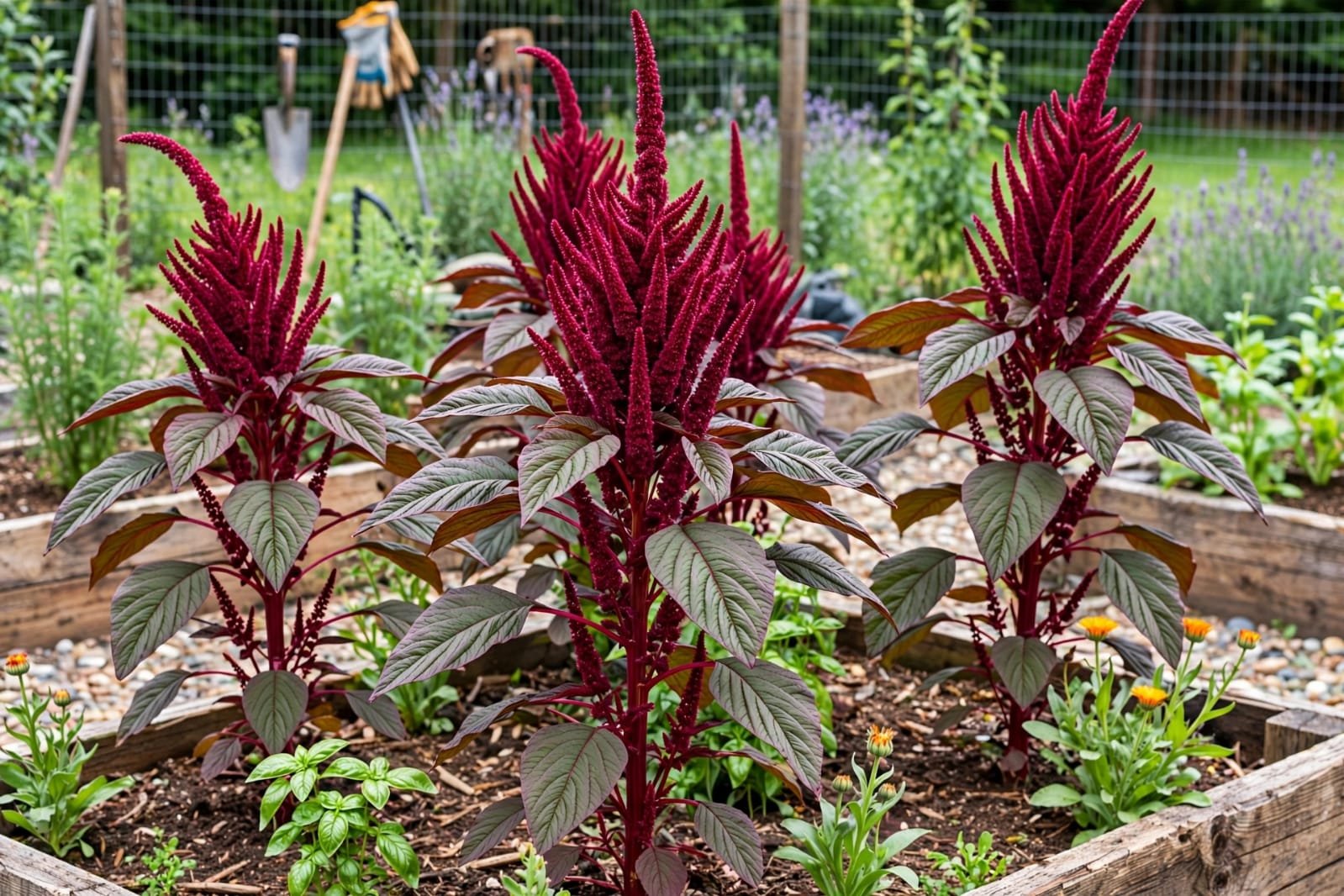
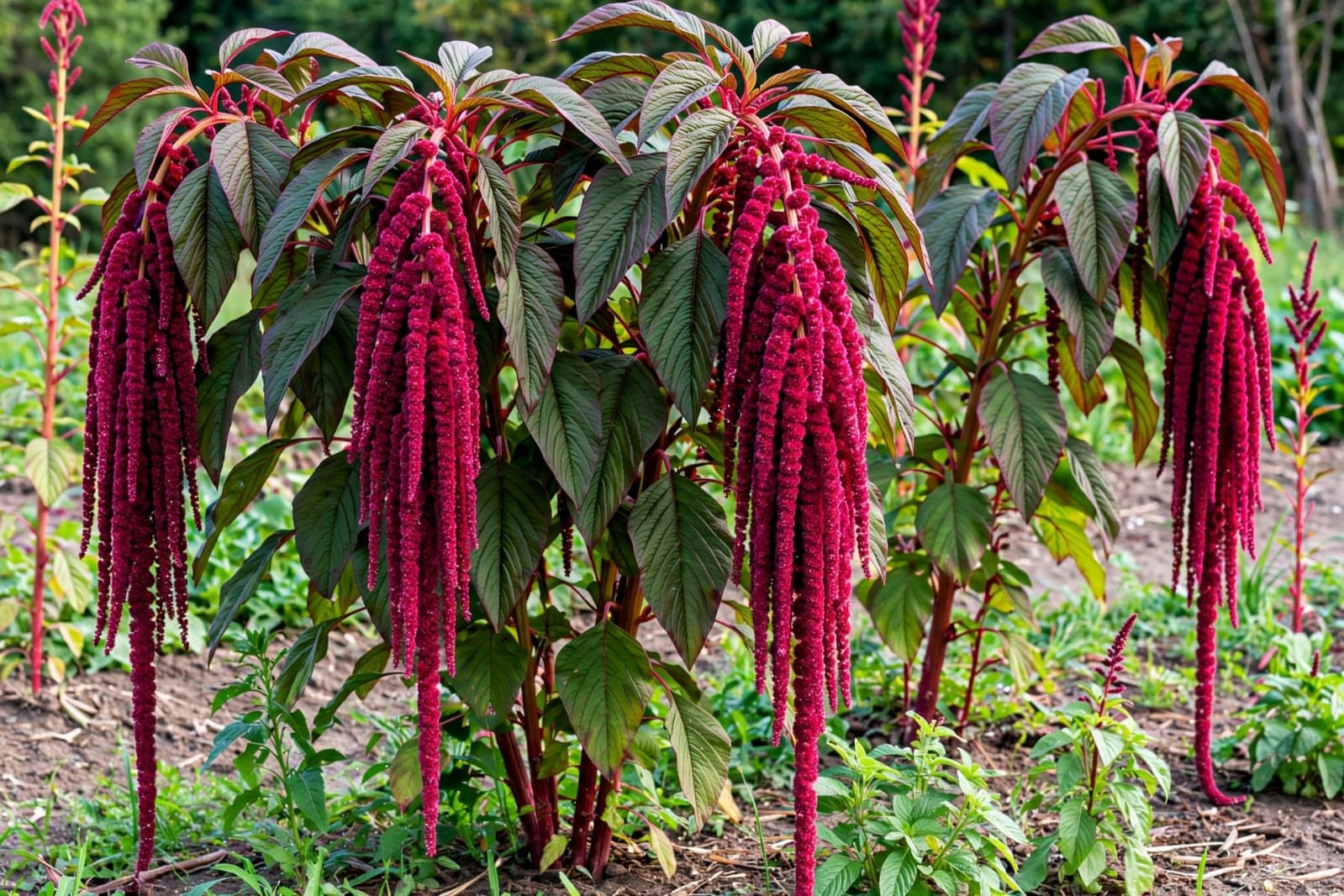
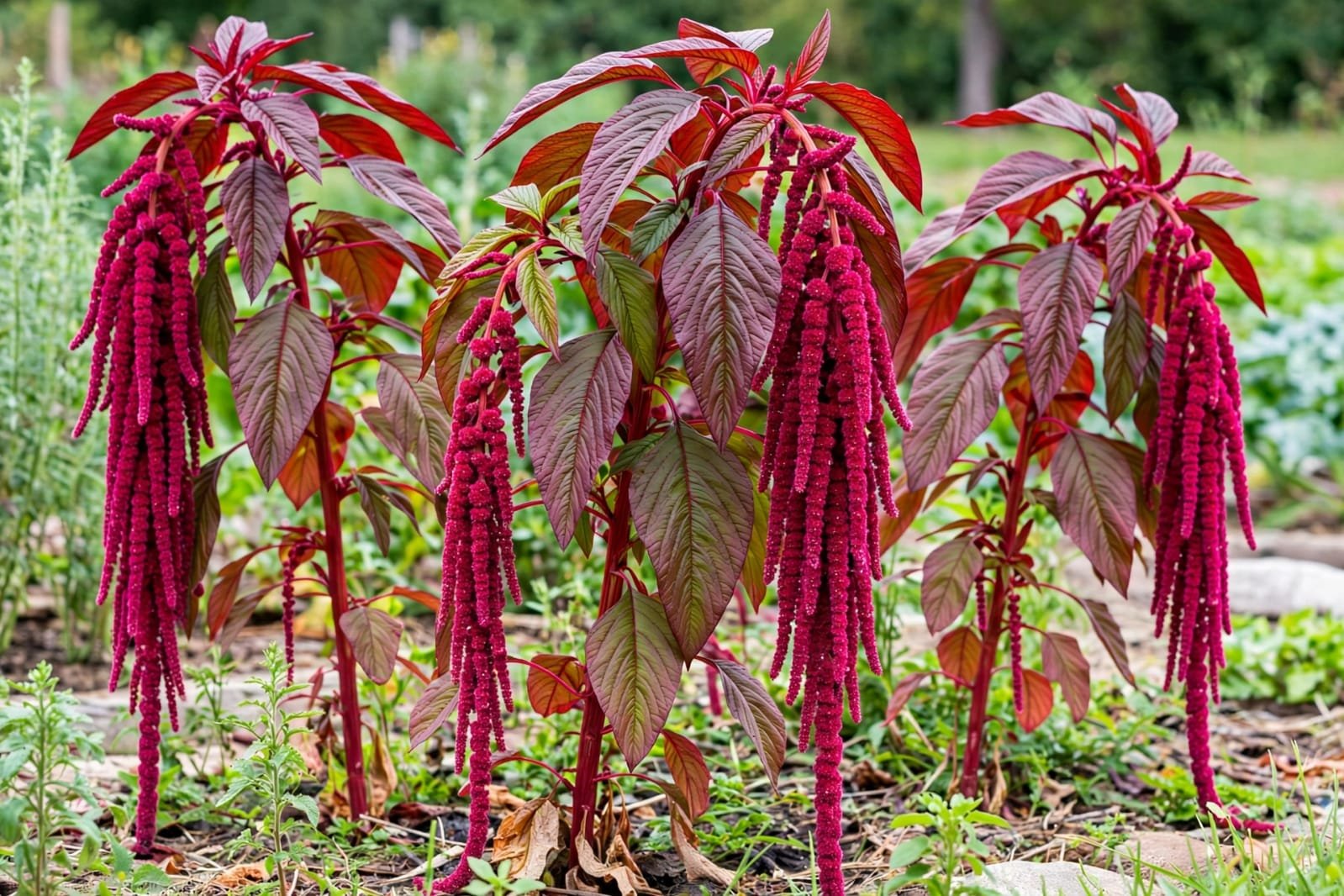
The stunning deep-red and purple hues of your heirloom Red Marog leaves are caused by betalains and anthocyanins. These are powerful plant pigments that function as heavy-duty antioxidants.
They actively seek out and neutralize harmful free radicals in the body, dampening chronic inflammation and protecting your cellular DNA from damage that can lead to long-term illnesses.
3. Supports Healthy Blood Pressure and Cardiovascular Function
Red Marog is naturally rich in potassium while remaining exceptionally low in sodium. This specific mineral balance acts as a natural vasodilator, allowing blood vessels to relax and expand.
This process helps your body regulate high blood pressure, improves overall circulation, and reduces the strain on your cardiovascular system.
4. Enhances Digestion and Natural Detoxification
Traditionally, morogo has been used as a gentle, natural digestive aid. The leaves are rich in insoluble dietary fiber, which adds healthy bulk to the digestive tract.
This encourages smooth bowel movements, prevents uncomfortable constipation, and supports a healthy gut microbiome by acting as a clean fuel source for beneficial gut bacteria.
How to Prepare Red Marog to Lock in Nutrients
To ensure you get the absolute most out of your fresh backyard harvest, keep these traditional culinary tips in mind:
Avoid Overboiling: Throwing away the cooking water means throwing away the water-soluble vitamins (like Vitamin C and B-vitamins).
Instead, lightly steam the leaves, stir-fry them quickly in a little butter or oil, or braise them gently with onions and potatoes so the juices are preserved in the dish.
Pair with Citrus: The non-heme iron found in plants is absorbed much better by the human body when paired with Vitamin C.
Squeeze a wedge of fresh lemon juice over your cooked Red Marog just before serving to maximize its nutritional uptake.

Reviews
There are no reviews yet.