, ,

Chives – Over 100 Seeds

R15,00

Excluding shipping

Availability: 50 in stock

Guaranteed Safe Checkout

Premium Heirloom Chives (Medium Leaved) Seeds

Elevate your home cooking with the mild, onion-tinted flavour of our premium heirloom Chives seeds.

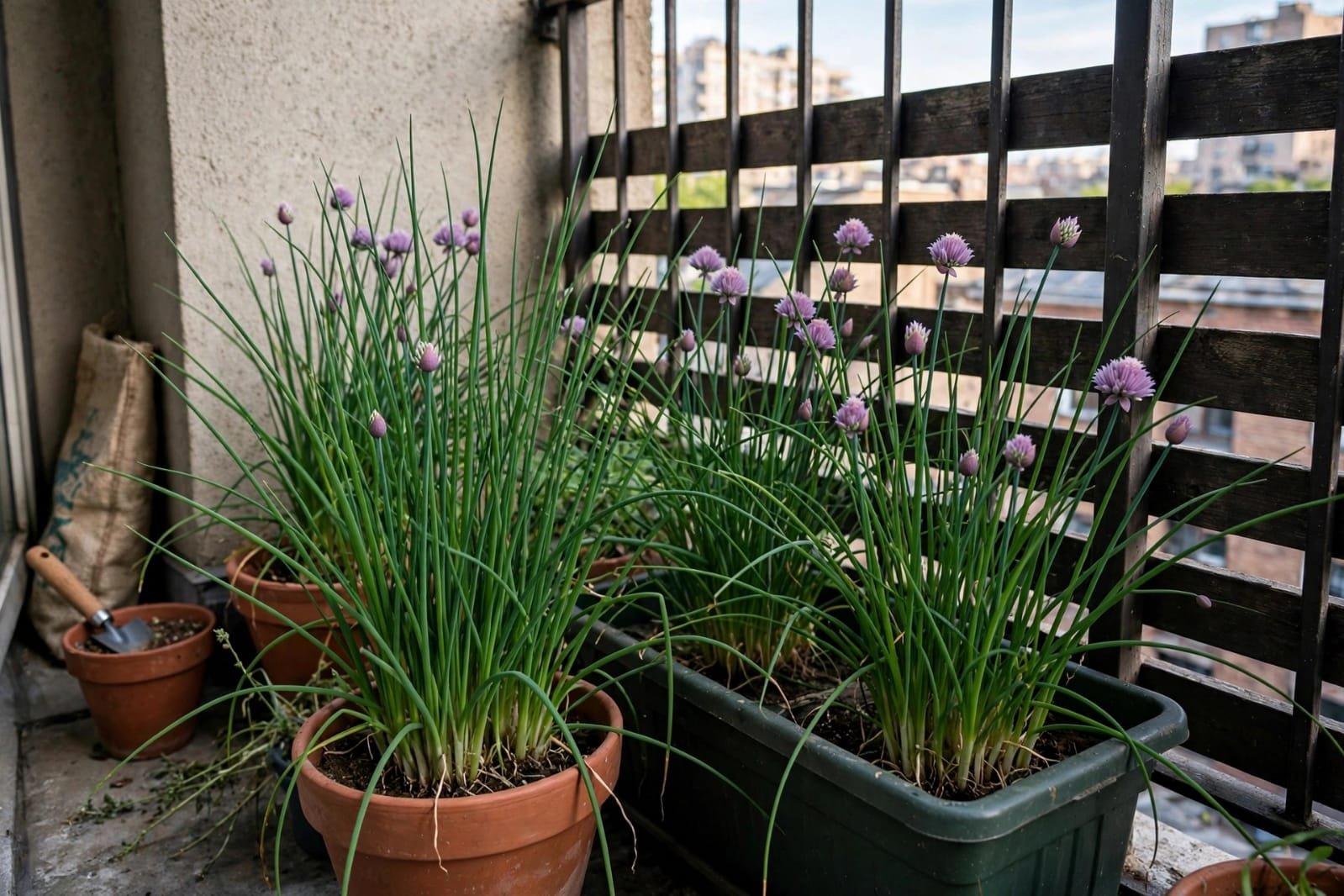
Specially selected to thrive across all South African provinces, this medium-leaved variety (Allium schoenoprasum) is a versatile, cool-season perennial herb that belongs in every kitchen garden, windowsill planter, and raised vegetable bed.

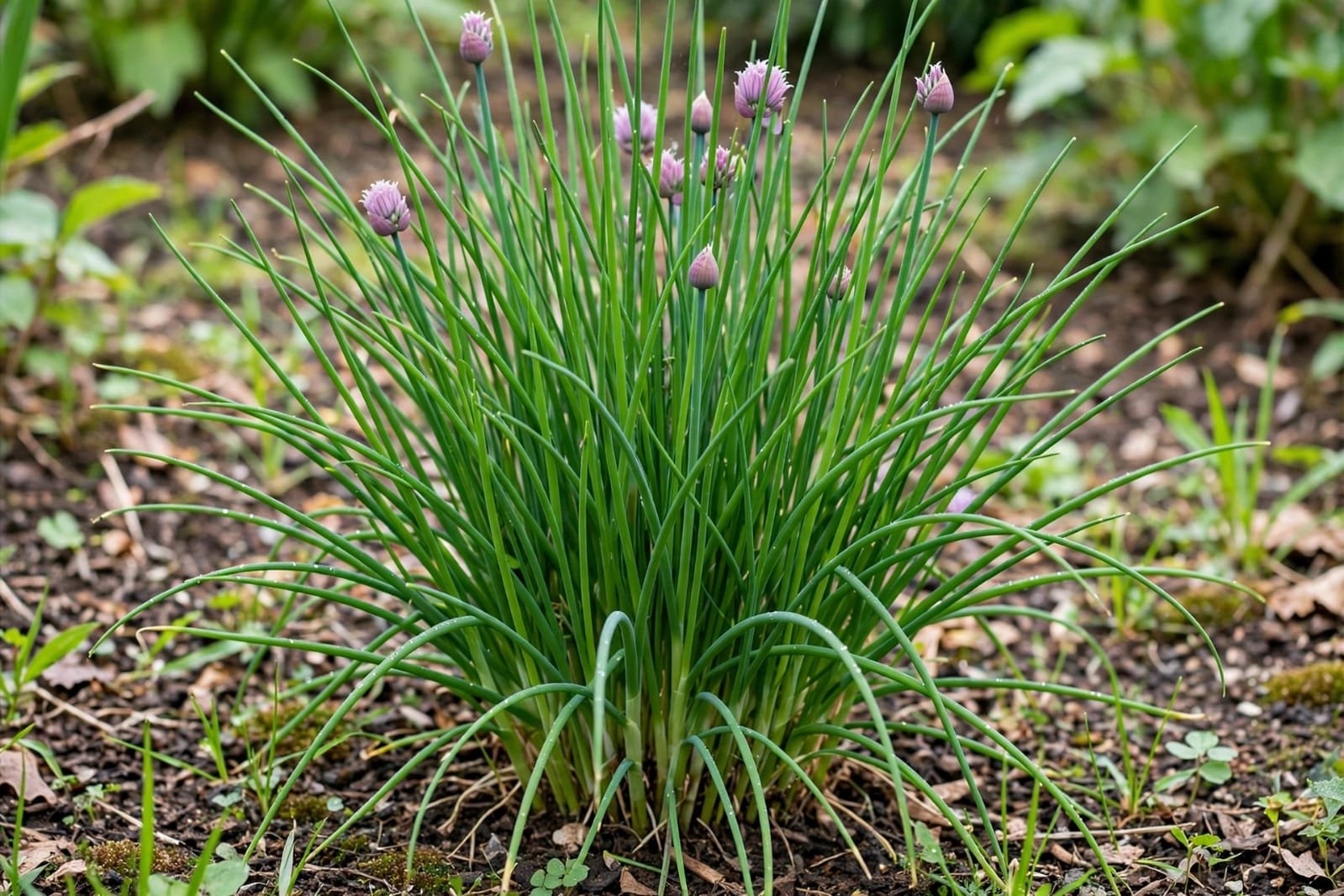
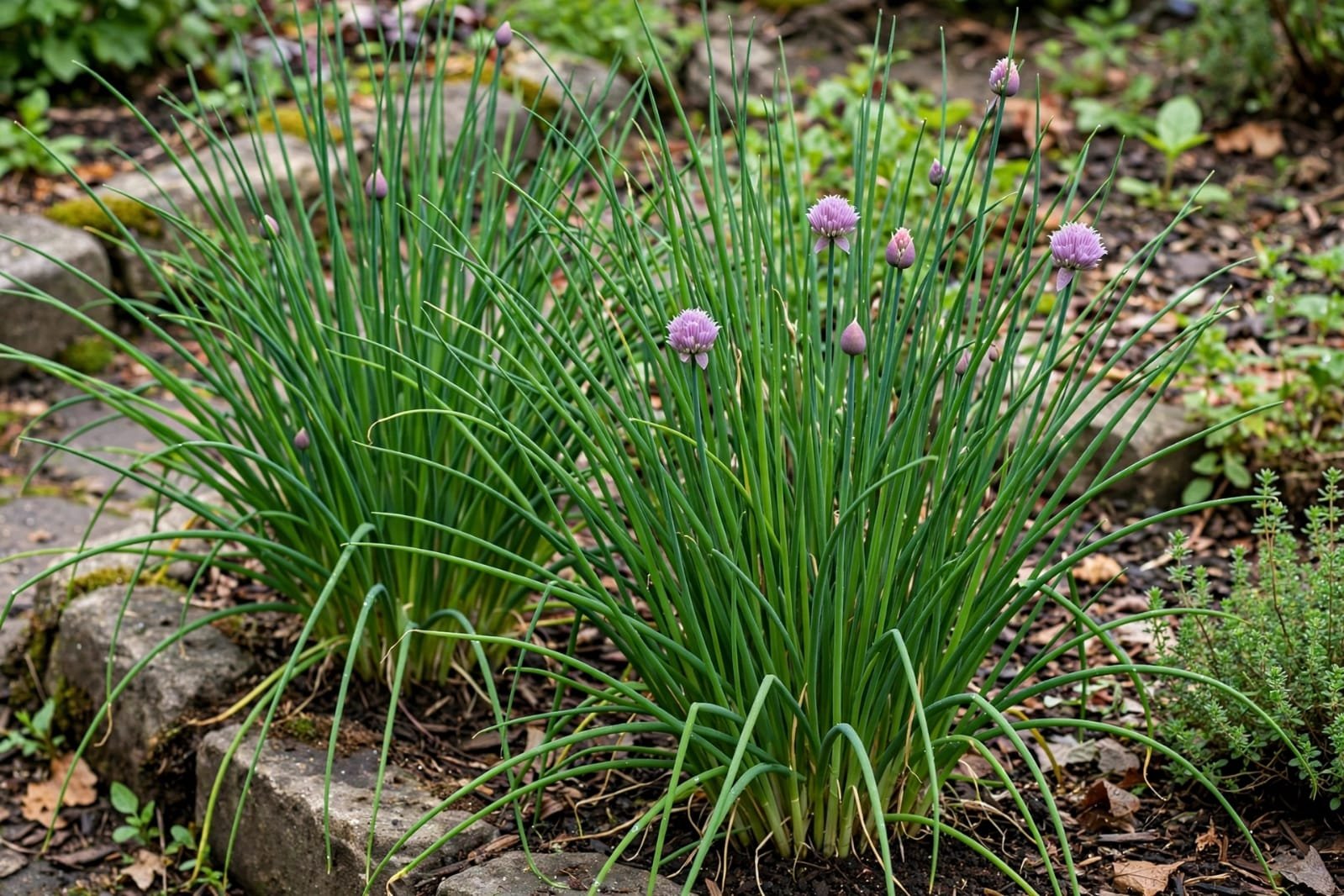
Medium-leaved chives strike the perfect culinary balance, offering robust, dark-green hollow stems that are thicker than delicate fine chives but more tender than spring onions.

Indispensable for potato dishes, sour cream dips, omelettes, and warm soups, this herb is incredibly easy to maintain and grows back quickly after clipping.

As a bonus, its beautiful, globe-like purple flowers are completely edible and serve as a magnet for bees and other beneficial garden pollinators.

Each packet contains over 100 seeds, giving you an abundant supply to start a dense, clump-forming herb patch that will return year after year.

Because these are authentic, non-GMO heirloom seeds, you are planting an all-natural variety that can be split and propagated easily, making it a sustainable and cost-effective addition to your home garden.

Planting Guide for South Africa:

  • Sowing Season: Spring to Autumn (September to April)
  • Position: Full sun to partial shade
  • Sowing Depth: 5mm deep in rich, well-draining soil
  • Germination: 10 to 14 days
  • Days to Harvest: 60 days (or cut continuously once 15cm tall)

Reviews

There are no reviews yet.

Be the first to review “Chives – Over 100 Seeds”

Your email address will not be published. Required fields are marked *

How to Grow Chives from Seed

How to Grow Chives from Seed: A Complete South African Guide

Growing chives (Allium schoenoprasum) from seed is one of the easiest ways to establish a permanent, low-maintenance herb patch in your garden.

This medium-leaved variety is incredibly versatile, adapting beautifully to everything from large backyard vegetable beds to sunny kitchen windowsills across South Africa.

Because chives are hardy perennials, a single packet of seeds will reward you with fresh, mild onion-flavoured harvests that return year after year.

Follow this step-by-step guide to successfully germinate and grow your heirloom chive seeds.

Quick Growing Facts

  • Best Sowing Season: Spring to Autumn (September to April)
  • Sunlight Requirements: Full sun to partial shade
  • Germination Time: 10 to 14 days
  • Ideal Soil: Nutrient-rich, moist, well-draining soil (pH 6.0 to 7.0)

Step 1: Prepare Your Soil or Pots

Chives thrive in soil that mimics a fertile riverbed—rich in organic matter, consistently moist, but completely free-draining.

In the Garden: Dig in a generous amount of organic compost to loosen heavy clay or enrich sandy soil. Chives hate sitting in waterlogged ground, which can cause their small bulbs to rot.

In Pots: Choose a container at least 15–20cm deep with good drainage holes. Fill it with a premium potting mix amended with a handful of compost to help retain moisture.

Step 2: Sowing the Seeds

Because your packet contains over 100 seeds, you can sow them close together to create a dense, beautiful clump right from the start.

Sowing Depth: Plant the small black seeds roughly 5mm deep.

Sowing Method: If planting in rows, space the rows 20cm apart. Alternatively, sow them in small clusters of 5 to 10 seeds to create a natural, bushy clump.

Watering: Mist the soil gently with a spray bottle or a fine hose setting. Keep the soil consistently damp but never waterlogged. Chive seeds require constant moisture to break through their outer shells.

Step 3: Nurturing Your Seedlings

Within two weeks, you will see thin, bright green shoots popping up that look exactly like tiny blades of grass.

Thinning: Once the seedlings reach about 5cm tall, you can thin them out to stand roughly 10cm apart if you want individual plants. However, chives love growing in tight groups, so leaving them in small clusters works perfectly.

Sunlight: Ensure your young plants receive plenty of morning sunlight. If growing indoors on a windowsill, turn the pot every few days so the seedlings don’t lean permanently toward the glass.

Step 4: Ongoing Care and Smart Harvesting

Chives are remarkably resilient once their root system is established, but they do require basic maintenance to stay lush.

Watering: Water deeply whenever the top 2cm of soil feels dry. Chives have shallow roots, so they will start to yellow and wilt if left to dry out completely during hot South African afternoons.

Pruning the Flowers: In late spring and summer, your chives will produce stunning purple flower globes. While beautiful and completely edible, letting the plant flower extensively stops it from producing new leaves. Cut the flower stalks off at the base to keep the leaf growth going.

Step 5: How to Harvest

Your chives will be ready for a light harvest around 60 days after sowing, or as soon as the leaves reach about 15cm in height.

The Golden Rule: Always cut the leaves from the outside of the clump, about 2cm to 3cm above the soil line. Do not rip or pull the leaves, and never chop the top half off the entire plant at once. Leave the base intact so it can rapidly grow back for your next meal!

Chives Medicinal and Nutritional Uses

Chives: Hidden Health Benefits, Medicinal and Nutritional Uses

Most South Africans view chives (Allium schoenoprasum) as a simple final touch—a bright green garnish snipped over a baked potato or stirred into an omelette. However, this hardy heirloom herb is a true nutritional gem.

As the smallest member of the Allium family—making them close cousins to garlic, onions, leeks, and scallions—chives carry many of the same powerful, disease-fighting compounds found in their larger relatives, but with a much milder, delicate flavour.

If you are growing your own medium-leaved chives from seed, here is a complete look at the health, medicinal, and nutritional benefits you unlock with every clip.

The Nutritional Breakdown of Fresh Chives

Don’t let their slender appearance fool you. Chives are packed with concentrated vitamins and minerals. Eating even a small amount of fresh, raw chives provides your body with a healthy dose of:

Vitamin K: Crucial for bone health and proper blood clotting.

Vitamin C: A powerful antioxidant that supports your immune system and boosts skin collagen.

Vitamin A (via Beta-Carotene): Essential for maintaining clear vision and protecting the respiratory tract.

Choline and Folate: Important nutrients that support brain function, memory, and cellular repair.

Top 4 Medicinal & Health Benefits of Chives

1. Rich in Cancer-Fighting Organosulfur Compounds

Like garlic and onions, chives contain a high concentration of alliin, which converts into allicin when the leaves are chopped or chewed. Allicin is a potent organosulfur compound that has been extensively studied for its ability to neutralise free radicals, inhibit tumor growth, and protect cells from mutations.

Adding fresh chives to your daily diet is an easy way to incorporate these preventative compounds naturally.

2. Supports Heart Health and Circulation

The allicin found in chives does wonders for the cardiovascular system. It helps stimulate the release of nitric oxide in the bloodstream, which relaxes the blood vessels and naturally reduces high blood pressure.

Furthermore, allicin has been shown to assist in lowering LDL (“bad”) cholesterol levels, reducing arterial stiffness, and lowering the overall risk of heart disease and stroke.

3. Enhances Digestion and Gut Health

Chives have a long history in traditional herbal medicine as a digestive aid. They contain gentle carminative properties that help ease stomach upset, reduce intestinal gas, and prevent bloating.

Additionally, chives act as a natural prebiotic, providing clean fuel for the good bacteria in your gut, which improves overall nutrient absorption and digestive regularity.

4. Natural Antimicrobial and Antibacterial Protection

Historically, Allium plants were used as natural antibiotics. The volatile oils in chives possess mild antibacterial, antiviral, and antifungal properties.

Consuming them fresh can help the body fend off minor seasonal bugs, soothe low-grade internal inflammation, and support overall immune resilience during the colder South African months.

Beautiful & Edible: The Health Benefits of Chive Flowers

When your chive plants burst into bloom during the summer, don’t let those gorgeous purple flower globes go to waste!

Nutritional Boost: Chive blossoms contain the same beneficial sulfur compounds as the leaves, along with a high concentration of anthocyanins—the same deep-purple antioxidants found in blueberries that reduce systemic inflammation.

How to Use Them: Pull the tiny individual florets apart and scatter them over summer salads, use them to infuse a beautiful purple herbal vinegar, or press them into soft cheeses for a stunning, healthy appetizer.

Chives Growing Guide

Ultimate Chives Growing Guide: How to Care for Your Plants in South Africa

Once you have successfully sprouted your heirloom Chives seeds, you are on your way to enjoying a permanent supply of fresh, mild onion-flavoured herbs.

Chives (Allium schoenoprasum) are exceptionally hardy perennials that adapt beautifully to the diverse climates of South Africa.

Whether you are dealing with the dry heat of the Western Cape or the frosty winter mornings of the Highveld, these plants will thrive for years with just a little basic care.

This comprehensive growing guide covers everything you need to know about sunlight, watering, pruning, and maintaining your chive plants for an abundant, continuous harvest.

Understanding the Ideal Growing Conditions

Chives are highly adaptable, but matching their care to these core preferences will guarantee thick, vibrant, and dark-green leaves:

Sunlight: Chives thrive in full sun (6+ hours of direct sunlight daily). However, in extremely hot inland regions during mid-summer, a spot that gets morning sun and afternoon shade will prevent the slender leaves from scorching.

Soil Requirements: Provide a loose, fertile, well-draining soil mix that is rich in organic matter. Chives love consistent moisture, but their small underground bulbs will rot quickly if left sitting in heavy, waterlogged clay.

Climate Adaptability: Chives are incredibly resilient. In warmer coastal areas, they will remain evergreen and grow all year. In frosty regions, they will naturally die back to the ground in late autumn and re-sprout vigorously as soon as early spring arrives.

Step-by-Step Plant Maintenance

1. The Right Way to Water

Because chives have a shallow root system, they do not have deep underground water reserves to draw from during dry spells.

Watering Frequency: Water deeply two to three times a week. The goal is to keep the soil evenly moist but never soggy.

Container Care: If you are growing chives in window boxes or pots, check the soil daily. Containers dry out much faster than garden beds, especially during hot South African afternoons.

Mulching: Spread a thin layer of organic mulch (like fine bark chips or straw) around the base of the plants to keep the shallow roots cool and lock in vital soil moisture.

2. Feeding for Thick Growth

Because your seed packets contain over 100 seeds, you can grow dense, beautiful clumps. To keep these crowded clusters producing lush growth, they appreciate a little extra nutrition.

Top-dress your chive patch with a fresh layer of organic compost every spring. During the peak summer growing season, feed them with a diluted liquid organic fertilizer (like fish emulsion or kelp) once every four weeks.

Avoid high-nitrogen chemical fertilizers, which cause weak, watery growth with very little flavor.

3. Managing the Beautiful Purple Flowers

In late spring and summer, your chives will produce striking, globe-shaped purple flowers.

To Maximize Leaf Harvest: Letting the plant flower heavily signals to the bulb that it is time to stop growing new leaves. To keep your leaf production high, snip the flower stalks off right at the base as soon as they appear.

To Save Heirloom Seeds: If you want to harvest your own seeds at the end of the season, let a few stalks flower completely. Once the flower heads turn brown and dry out, you can shake out the new heirloom seeds for next year!

4. Dividing Clumps (Every 3 Years)

As your chives grow, the underground bulbs will continuously multiply, causing the clump to become overly crowded. After about three years, you may notice the leaves becoming noticeably thinner.

In early spring, gently dig up the entire clump with a spade. Pull the bulbs apart into smaller clusters of 5 to 10 bulbs.

Replant these smaller clusters into freshly composted soil to instantly rejuvenate your herb garden.

Chives Other Names

Chives Alternative Names: What Else is This Perennial Herb Called?

When looking for herbs to add to your kitchen garden, you might encounter a variety of local, historical, and botanical names.

Because chives have been cultivated globally for centuries, different cultures, languages, and regions have given this versatile plant its own unique labels.

When you buy our heirloom seeds, you are getting the true culinary variety scientifically classified as Allium schoenoprasum. To help you navigate seed packets, international recipes, and local gardening discussions, here is a complete guide to the alternative names and translations of chives.

The Scientific & Botanical Name

Allium schoenoprasum: This is the formal botanical name. Allium refers to the genus (which includes garlic, onions, and leeks), while schoenoprasum is derived from Greek words translating roughly to “reed-like leek.”

When purchasing authentic heirloom seeds, always check for this specific scientific name to ensure you are buying true culinary chives.

South African & Multilingual Names

Because South Africa is home to diverse languages, your customers, neighbors, or local farmers might refer to this resilient perennial by several distinct names:

Grasuie (Afrikaans): This is the most common Afrikaans term, translating literally to “grass onions.” You will frequently find traditional South African recipes or local agricultural forums using grasuie.

Ciboulette (French): The standard French term, widely used in classic culinary literature and high-end restaurant menus.

Cebollino (Spanish): Meaning “little onion,” commonly found in global seed catalogs and Mediterranean gardening blogs.

Schnittlauch (German): The traditional Germanic name, which translates directly to “cut leek.”

Garlic Chives (Allium tuberosum): Also known as Chinese Chives or Oriental Chives. Unlike standard chives, this plant features flat, solid leaves (rather than hollow, round ones), produces white star-shaped blossoms instead of purple globes, and carries a distinct, sharp garlic flavor.

Siberian Chives (Allium nutans): A slightly larger, hardier wild relative with a stronger onion-and-garlic flavor profile, grown primarily in colder global regions.

Spring Onions / Scallions: While often used similarly in salads, these are varieties of Allium fistulosum or Allium cepa. They grow much larger white bulbs and thicker stems, whereas chives stay in fine, delicate clumps.

Shopping Basket
0
    0
    Your Cart
    Your cart is emptyReturn to Shop
    Scroll to Top