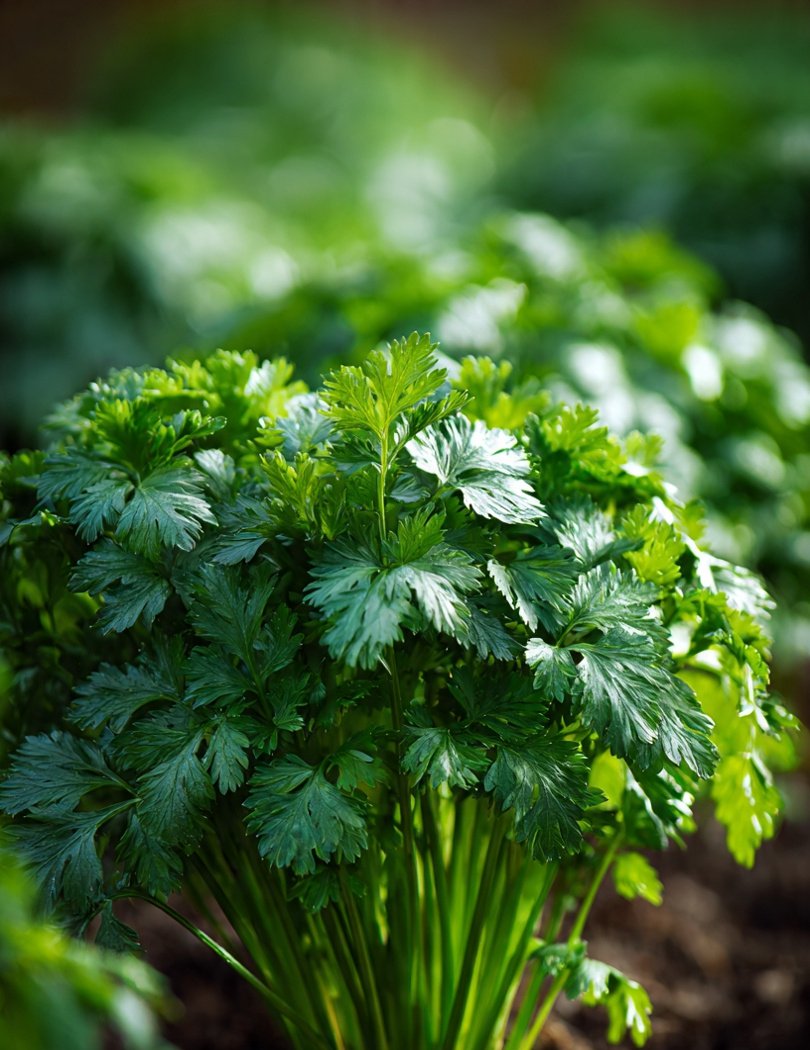
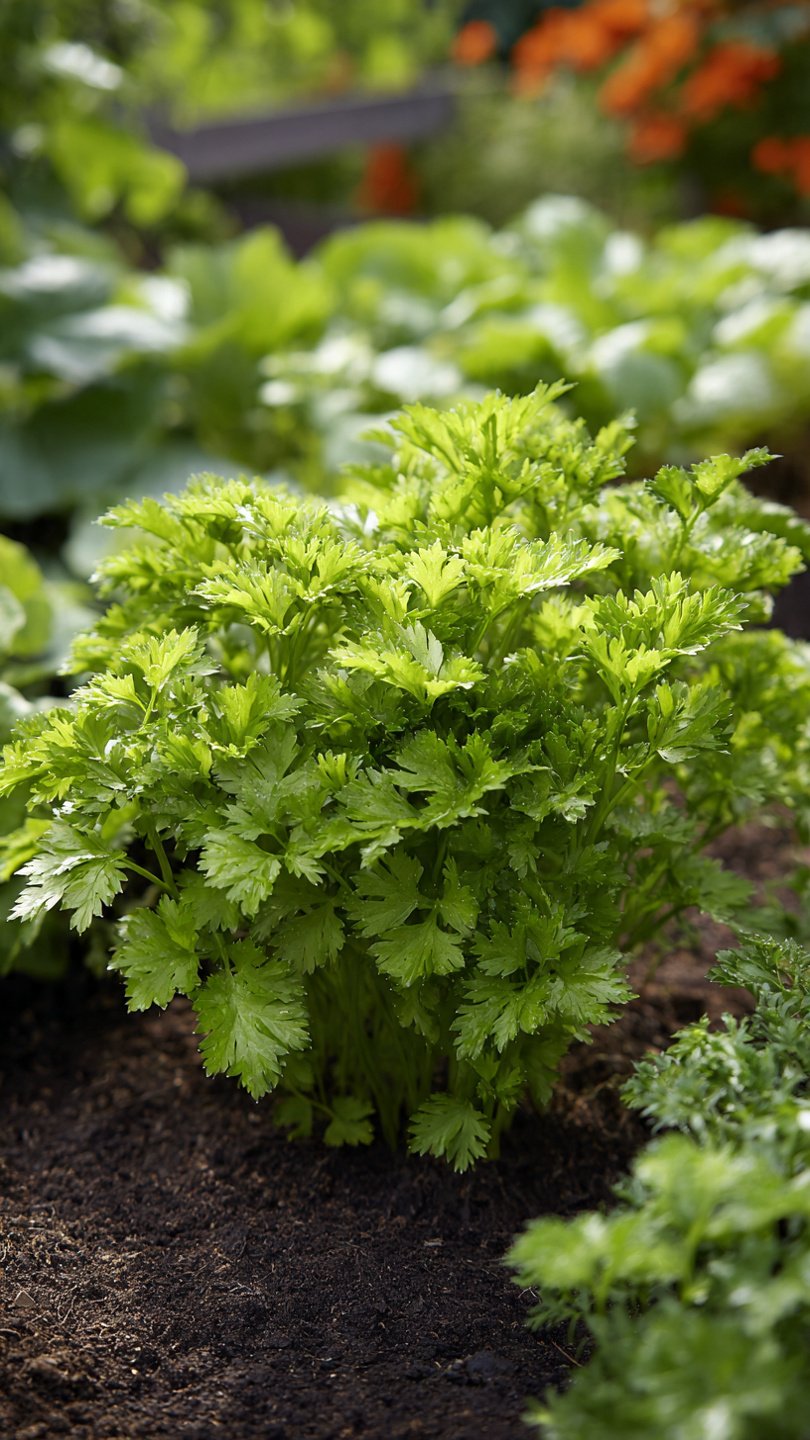
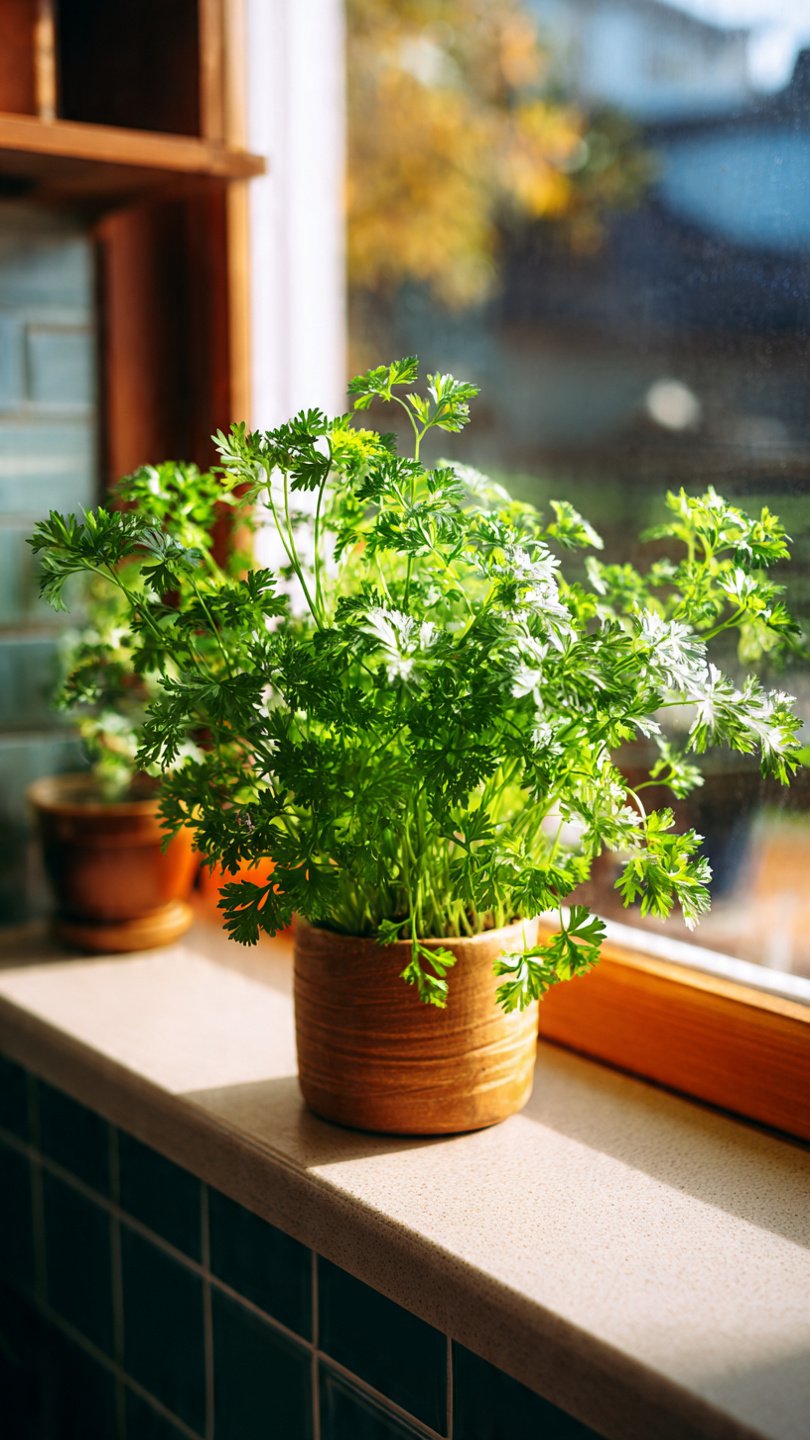
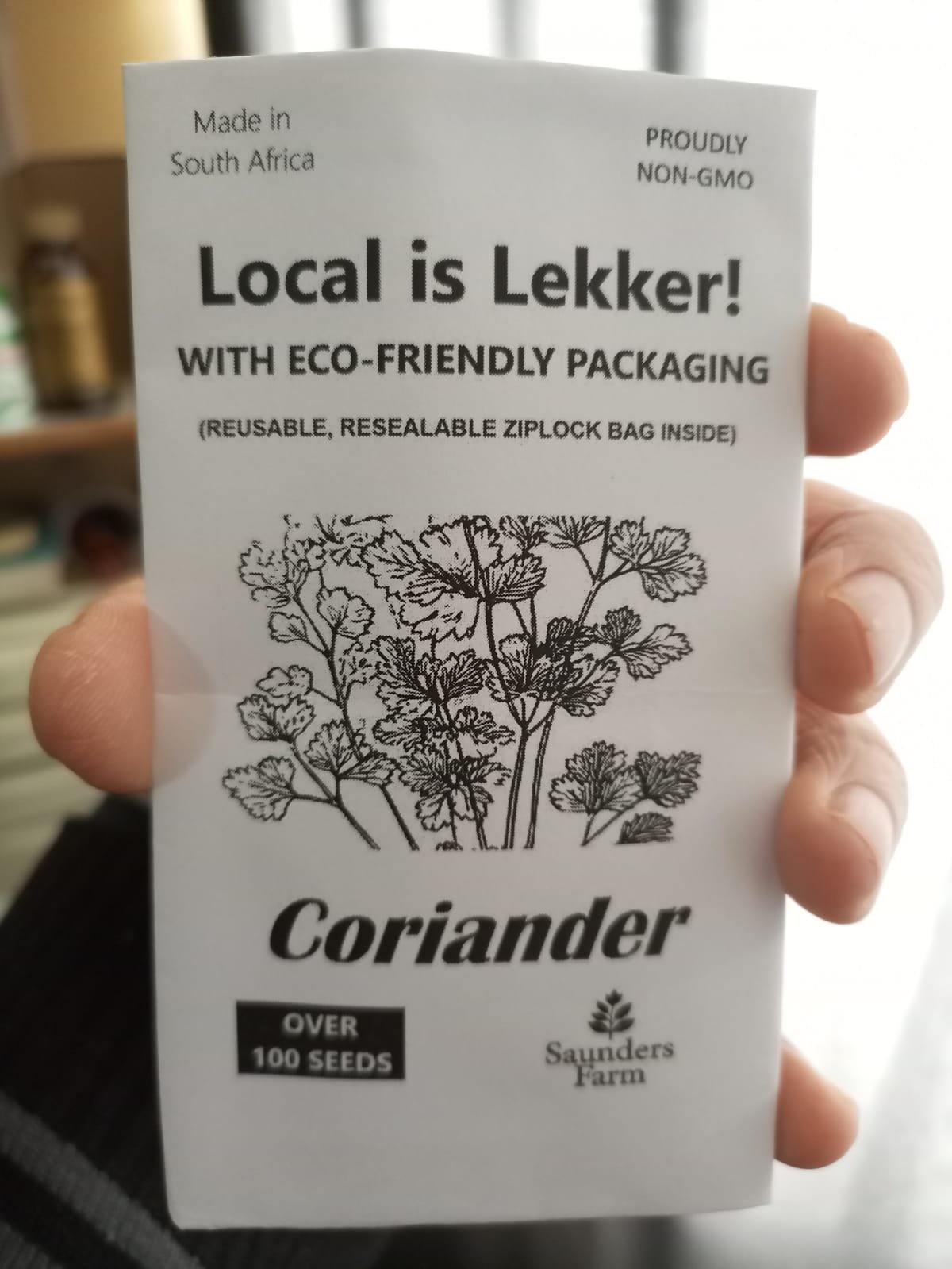
,

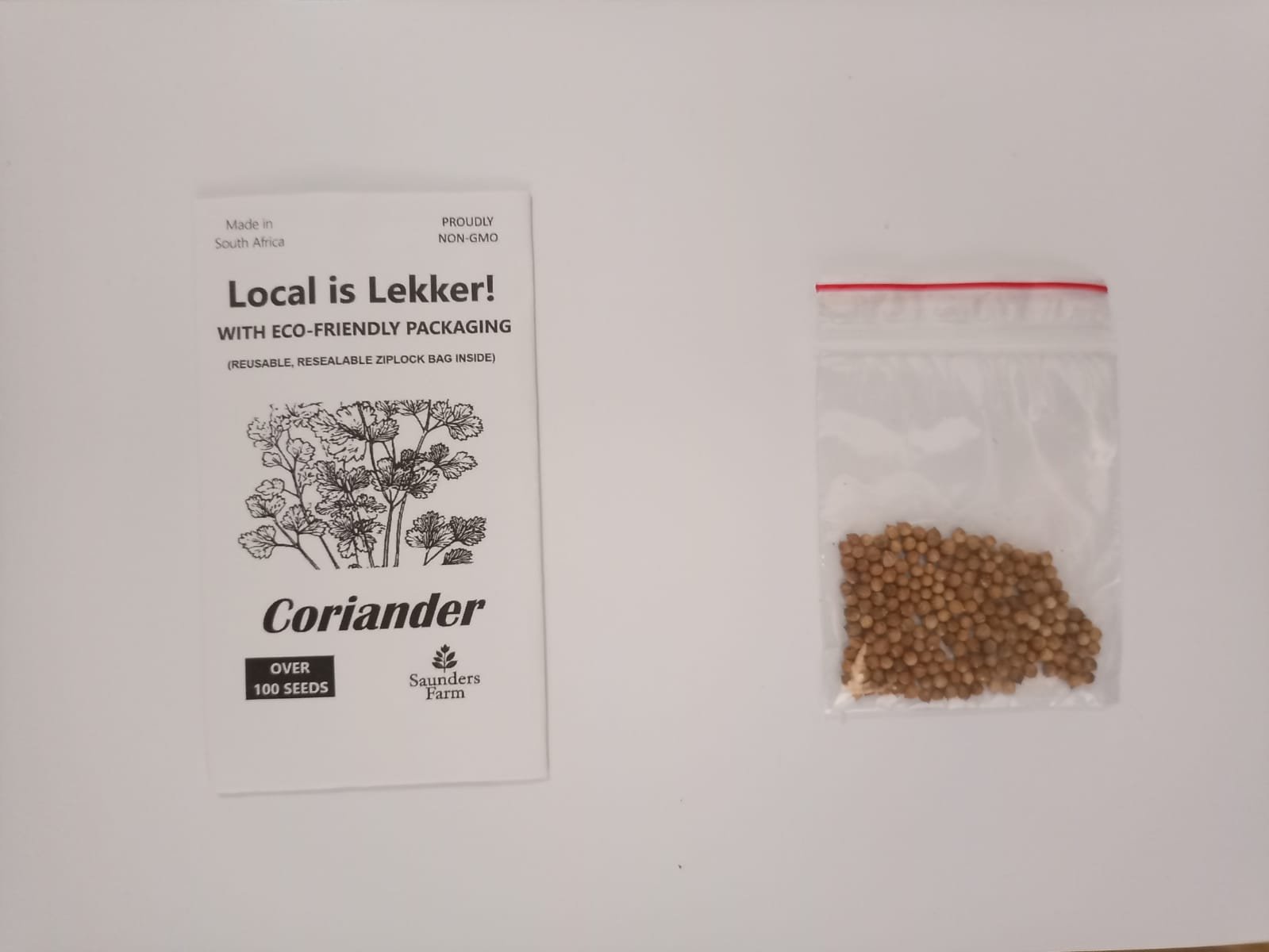
Coriander – Over 100 Seeds

R15.00

Excluding shipping
  • Over 100 Coriander Seeds
  • Join our WhatsApp Group to see when this product goes on special: https://chat.whatsapp.com/Ly1HQgXpYGXL2ffDGXUl4G
  • Proudly non-GMO
  • ECO-FRIENDLY: Biodegradable packaging with resealable, reusable plastic Ziplock bag inside
  • Made in South Africa, for South Africa

Availability: 193 in stock

Guaranteed Safe Checkout

Heirloom Coriander Seeds (100+ Non-GMO Seeds Pack)

Grow your own fresh, aromatic herbs at home with our premium heirloom coriander seeds.

Specially selected for South African gardeners, each packet contains over 100 high-quality, non-GMO seeds ready to transform your veggie patch, balcony pots, or kitchen herb garden.

Coriander (also locally known as Dhania or Cilantro) is incredibly easy to grow from seed. Because these are heirloom seeds, you are getting pure, natural genetics that produce robust plants with superior flavor and fragrance compared to store-bought varieties.

Why Choose Our Heirloom Coriander Seeds?

  • 100+ Seeds Per Pack: Plenty of seeds to ensure a continuous, staggered harvest.
  • 100% Heirloom & Non-GMO: Pure, unadulterated seeds free from chemical treatments or genetic modification.
  • High Germination Rate: Adapted to perform exceptionally well in South African climates and soils.
  • Harvest Your Own Seeds: As an heirloom variety, you can let these plants go to seed and save them for next season’s planting.

South African Planting & Growing Guide

Coriander thrives across South Africa, from the Western Cape’s winter rainfall to Gauteng’s summer sun.

Follow these steps for the best results:

  1. Best Planting Time: Sow in Autumn or Spring. Avoid extreme mid-summer heat to prevent the plants from bolting (going to seed too early).
  2. Position: Full sun to partial afternoon shade.
  3. Soil Requirements: Rich, well-draining soil with plenty of compost.
  4. Sowing Depth & Spacing: Plant seeds roughly 5mm deep and space them 15cm to 20cm apart.
  5. Watering: Keep the soil consistently moist but never waterlogged.
  6. Seeds will germinate within 7 to 14 days.
  7. Container Friendly: Perfect for deep pots on sunny window sills or balconies.
  8. Seed Variety: Heirloom Coriander (Coriandrum sativum)
  9. Quantity: 100+ Seeds per pack
  10. Type: Non-GMO, untreated open-pollinated seed
  11. Shipping: delivery anywhere in South Africa
logo simple

Stop Killing Your Seeds!

5 Germination Mistakes Gardeners Must Stop Immediately

Get this free guide (5 minute read) and The Printable Monthly Growing Guide for South Africa (also free), via email:

We don’t spam! Read our privacy policy for more info.

Reviews

There are no reviews yet.

Be the first to review “Coriander – Over 100 Seeds”

Your email address will not be published. Required fields are marked *

How to Grow Coriander From Seed

How to Grow Coriander from Seed: The Complete South African Guide

Growing your own fresh coriander (locally known as dhania or cilantro) is one of the most rewarding projects for any South African home gardener.

Store-bought coriander wilts quickly, but having a thriving patch in your garden or a pot on your kitchen windowsill ensures a constant supply of this crisp, aromatic herb.

If you are using high-quality heirloom, non-GMO coriander seeds, following the right steps will guarantee a high germination rate and a abundant harvest.

Here is everything you need to know to successfully grow coriander from seed in South African climates.

1. When to Plant Coriander in South Africa

Coriander is a cool-season herb. Its biggest enemy is extreme heat, which causes the plant to “bolt” (flowery quickly and go to seed, making the leaves bitter).

Best Time to Sow: Spring (August to October) and Autumn (March to May).

Regions with Mild Winters (like the Western Cape): You can grow coriander right through the winter.

Regions with Hot Summers (like Gauteng or the Lowveld): Avoid planting in peak summer, or ensure the plants get plenty of afternoon shade.

2. Choosing the Right Spot

Coriander grows best when it gets the right balance of sunlight and temperature.

Sunlight: Choose a spot that receives 4 to 6 hours of morning sun with afternoon shade, especially during warmer months.

Soil: Coriander requires loose, fertile, and well-draining soil. It hates sitting in water. Prepare your garden bed by digging in plenty of organic compost.

Pots and Containers: If you are short on space, coriander thrives in pots. Choose a container that is at least 20–25cm deep, as coriander has a deep taproot and dislikes being cramped.

3. Step-by-Step Sowing Guide

Coriander roots are highly sensitive. Because of this, it is best to sow coriander seeds directly into their final home rather than transplanting them from seedling trays.

Step 1: Prepare the Seeds (Optional Tip)

Coriander seeds are actually little husks containing two individual seeds. You can gently crush the seed husks between your fingers or under a flat shoe before planting to split them. This can speed up germination, though it is not strictly necessary.

Step 2: Sow the Seeds

Depth: Plant your heirloom seeds about 5mm deep in the soil.

Spacing: Space the seeds roughly 10cm to 15cm apart. If sowing in rows, keep the rows 30cm apart.

Step 3: Water Gently

Water the soil thoroughly using a watering can with a fine rose spray, or a gentle mist setting on your hose. Keep the soil consistently moist but never soggy.

Step 4: Germination

Be patient! Coriander seeds take anywhere from 7 to 14 days to germinate.

4. Caring for Your Coriander Plants

Once your seedlings emerge, a little bit of regular care will keep them healthy and productive.

Watering: Water regularly at the base of the plant. In warmer weather, you may need to water daily to prevent the soil from drying out entirely, which triggers bolting.

Mulching: Apply a thin layer of organic mulch (like straw or dried leaves) around the plants. This keeps the roots cool and retains soil moisture.

Feeding: If your soil is rich in compost, you won’t need much fertilizer. Otherwise, feed your plants once a month with an organic, nitrogen-rich liquid fertilizer to promote lush leaf growth.

5. How to Prevent “Bolting”

Bolting is when the plant stops growing leaves and rapidly shoots up a central stalk to produce white flowers and seeds. It is triggered by heat and water stress. To prolong your leaf harvest:

  • Keep the soil consistently moist.
  • Pinch out any flower buds the moment you see them forming.
  • Sow a new batch of seeds every 3 to 4 weeks (succession planting) to ensure a continuous supply of young leaves.

6. Harvesting Your Fresh Dhania

You can start harvesting coriander leaves about 4 to 6 weeks after sowing, once the plants are around 10–15cm tall.

The Cut-and-Come-Again Method: Pick the outer leaves first, leaving the inner leaves to continue growing.

Avoid Over-Harvesting: Never remove more than one-third of the plant’s leaves at a time.

Harvesting Seeds: If your plant does bolt and flower, don’t pull it out! Let the flowers fade and turn into green seed pods. Once the pods turn brown and dry on the plant, harvest them. You now have fresh coriander spice for cooking and heirloom seeds to plant next season!

Coriander Medicinal and Nutritional Uses

Coriander: Essential Nutritional Benefits and Traditional Medicinal Uses

Beyond its refreshing aroma and distinct taste in the kitchen, coriander (Coriandrum sativum) is a nutritional powerhouse with a deep history in natural wellness.

Locally loved as dhania, this versatile herb has been used for centuries across global cultures to support health.

When you grow or consume natural, heirloom, non-GMO coriander, you unlock the full spectrum of its raw vitamins, minerals, and potent plant compounds. Here is an evidence-based look at the incredible health and nutritional benefits of coriander leaves and seeds.

The Nutritional Profile of Coriander

Every part of the coriander plant is packed with vital nutrients, but the leaves and the seeds offer distinctly different nutritional strengths.

Fresh Coriander Leaves (Cilantro)

Fresh dhania leaves are incredibly low in calories but rich in essential micronutrients:

Vitamin K: Crucial for healthy blood clotting and bone density.

Vitamin A: Supports healthy vision, skin health, and a strong immune system.

Vitamin C: A powerful antioxidant that assists with tissue repair and cellular defense.

Folate: Vital for cellular function and tissue growth.

Coriander Seeds

The dried seeds serve as an excellent source of dietary minerals and healthy fats:

Dietary Fibre: Essential for maintaining a smooth, healthy digestive tract.

Minerals: Rich in manganese, iron, magnesium, and calcium.

Antioxidant Oils: High concentration of volatile oils like linalool, which provide its distinct therapeutic properties.

Key Health & Medicinal Benefits of Coriander

1. Supports Healthy Digestion

Coriander is perhaps best known traditionally for its ability to soothe the stomach.

Reduces Bloating: Natural compounds in coriander seeds help stimulate digestive enzymes and juices, reducing gas and bloating after heavy meals.

Soothes Irritation: Studies indicate that coriander extracts can significantly ease abdominal pain and discomfort, making it a popular natural aid for individuals with irritable bowel symptoms.

2. Rich in Immune-Boosting Antioxidants

Coriander is loaded with natural antioxidants, including terpinene, quercetin, and tocopherols.

Fights Inflammation: These compounds target and neutralise free radicals in the body, which helps lower overall systemic inflammation.

Immune Defense: The high Vitamin C content in fresh leaves acts as a natural line of defense against seasonal bugs.

3. Helps Manage Blood Sugar Levels

For individuals looking to maintain healthy glucose levels, coriander seeds can be a highly beneficial addition to a balanced diet.

Enzyme Activation: Research suggests that coriander seeds help activate specific enzymes that process and clear sugar from the blood effectively.

Note: If you have diagnosed hypoglycemia or take diabetes medication, consult your healthcare practitioner before consuming highly concentrated coriander extracts.

4. Promotes Heart and Cardiovascular Health

Including coriander in your daily meals can support your circulatory system in multiple ways:

Natural Diuretic: It acts as a gentle diuretic, helping the body flush out excess sodium and water, which naturally supports healthy blood pressure.

Cholesterol Management: Regular dietary intake of coriander seeds has been linked to lower levels of LDL (“bad”) cholesterol while supporting HDL (“good”) cholesterol.

5. Skin Health & Antimicrobial Properties

The volatile oils found in coriander seeds possess natural antibacterial and antifungal qualities.

Fights Skin Stress: Antioxidants in fresh leaves guard the skin against cellular aging and environmental damage.

Traditional Remedies: Diluted coriander seed extracts have historically been used in poultices to treat minor skin rashes and mouth ulcers due to their soothing, antiseptic nature.

Easy Ways to Use Coriander for Wellness

Coriander Seed Tea
  • Lightly crush 1 teaspoon of heirloom coriander seeds and steep them in a cup of boiling water for 10 minutes.
  • Strain and drink to ease bloating or wind after meals.
Raw Green Chutney
  • Blend fresh dhania leaves with lemon juice, garlic, and ginger.
  • This raw paste preserves all the delicate Vitamin C and live enzymes.
Daily Spice:

Grind whole coriander seeds fresh into your daily stews, curries, and vegetable bakes to boost your mineral intake automatically.

Coriander Growing Guide

Coriander Growing Guide: How to Plant, Cultivate, and Harvest Fresh Dhania

Growing fresh coriander (locally known as dhania or cilantro) from seed is a highly rewarding project for South African home gardeners. While store-bought coriander wilts within days, a thriving garden patch provides a continuous harvest of crisp, aromatic leaves and flavorful seeds.

By using premium heirloom, non-GMO coriander seeds, you ensure strong plant genetics, excellent disease resistance, and superior flavor.

This comprehensive growing guide covers everything you need to successfully cultivate coriander in South African soils.

Quick Growing Facts

Botanical Name: Coriandrum sativum

Common Names: Coriander, Dhania, Cilantro

Plant Type: Annual herb

Sun Exposure: Full sun to partial shade

Sowing Depth: 5mm

Germination Time: 7 to 14 days

Harvest Window: 4 to 6 weeks for leaves; 3 to 4 months for seeds

1. When to Plant Coriander in South Africa

Coriander is a cool-season annual herb. Its primary vulnerability is extreme heat, which triggers “bolting”—a process where the plant rapidly stops growing leaves, shoots up a flower stalk, and sets seed.

To maximize your leaf harvest, time your planting carefully:

Spring (August to October): Perfect for all regions before the intense summer heat sets in.

Autumn (March to May): The ideal planting window for most of South Africa. The cooling temperatures encourage lush, steady leaf production.

Winter Cultivation: If you live in frost-free, mild winter regions (like the Western Cape coastal areas or the Lowveld), you can grow coriander successfully right through the winter months.

2. Soil and Site Selection

Proper placement and soil preparation lay the foundation for a healthy crop.

Sunlight Requirements

Cooler Months: Position your coriander patch in full sun (6 to 8 hours of daily sunlight).

Warmer Months: Place plants in an area that receives morning sun and afternoon shade to protect them from scorching temperatures and prevent early bolting.

Soil Preparation

Coriander requires a loose, fertile, and exceptionally well-draining soil with a neutral pH (6.2 to 6.8). It is highly susceptible to root rot if left in waterlogged ground.

Dig in a generous amount of well-rotted organic compost or aged manure before planting to improve soil structure and nutrient content.

Container Gardening

If you are limited on garden space, coriander thrives in containers and pots on sunny balconies or windowsills.

Choose a pot that is at least 20cm to 25cm deep. Coriander develops a deep taproot and will stunt or bolt if its roots are cramped. Ensure the pot has sufficient drainage holes.

3. How to Sow Coriander Seeds Step-by-Step

Coriander roots are highly sensitive to disturbance. Because transplanting shock often triggers immediate bolting, always sow coriander seeds directly into their permanent garden bed or container rather than using seedling trays.

5mm depth      <——– 10cm to 15cm Spacing ——–>

Step 1: Prepare the Seeds

A coriander seed is actually a small, protective husk containing two individual seeds. For faster germination, place the seeds on a flat surface and gently press them with a flat object to split the husk. This step is optional but highly effective.

Step 2: Sow the Seeds
  • Make shallow rows in your prepared soil.
  • Drop the seeds 5mm deep into the soil.
  • Space individual seeds 10cm to 15cm apart. If planting multiple rows, space the rows 30cm apart.
Step 3: Water and Germinate

Cover the seeds lightly with soil and press down gently to ensure good seed-to-soil contact.

Water the area thoroughly using a watering can with a fine rose spray or a gentle mist setting on your garden hose.

Keep the soil consistently moist but never waterlogged.

Seeds will germinate within 7 to 14 days.

4. Care and Maintenance

Once your seedlings emerge, follow these maintenance practices to keep them productive:

Watering: Water regularly at the base of the plant. The soil should remain damp to the touch. In hot or windy weather, you may need to water daily. Drought stress is a primary cause of premature flowering.

Mulching: Apply a 2cm layer of organic mulch (such as clean straw, sugarcane mulch, or dried leaves) around the base of the plants. This keeps the soil temperature cool and retains crucial moisture.

Fertilizing: If your soil was well-prepared with compost, coriander requires very little extra feeding. If growth appears sluggish, apply an organic, nitrogen-rich liquid fertilizer (like fish emulsion or kelp spray) at half-strength once every three to four weeks to stimulate lush foliage.

5. Managing and Preventing “Bolting”

“Bolting” occurs when the plant shifts its energy from leaf production to seed production. While you cannot stop an annual herb from flowering indefinitely, you can delay the process:

Keep Roots Cool: Use mulch and water consistently.

Pinch Flowers: Pinch off the central flower stalks the moment they appear to force the plant to keep producing leaves.

Succession Planting: Sow a fresh batch of heirloom seeds every 3 to 4 weeks. This ensures that as older plants begin to bolt, a fresh crop of tender young leaves is always ready for harvest.

6. Harvesting Your Coriander
Harvesting Leaves (Cilantro)

Start harvesting once the plant reaches about 10cm to 15cm in height (usually 4 to 6 weeks after sowing).

Use the cut-and-come-again method: snip the outer, mature leaves at the base of their stems.

Leave the inner, younger leaves intact to continue growing.

Never harvest more than one-third of the plant’s total foliage at a single time.

Harvesting Seeds (Coriander Spice)

If your plants bolt and produce small white or pale pink flowers, allow them to finish their life cycle.

The flowers will transform into green seed clusters.

Wait for the seed heads to turn brown and dry out completely on the plant.

Cut the seed stems, place them upside down inside a paper bag, and shake them loose.

Store these harvested heirloom seeds in an airtight container. You can use them as a gourmet spice for cooking (essential for authentic South African biltong!) or save them to plant during the next growing season.

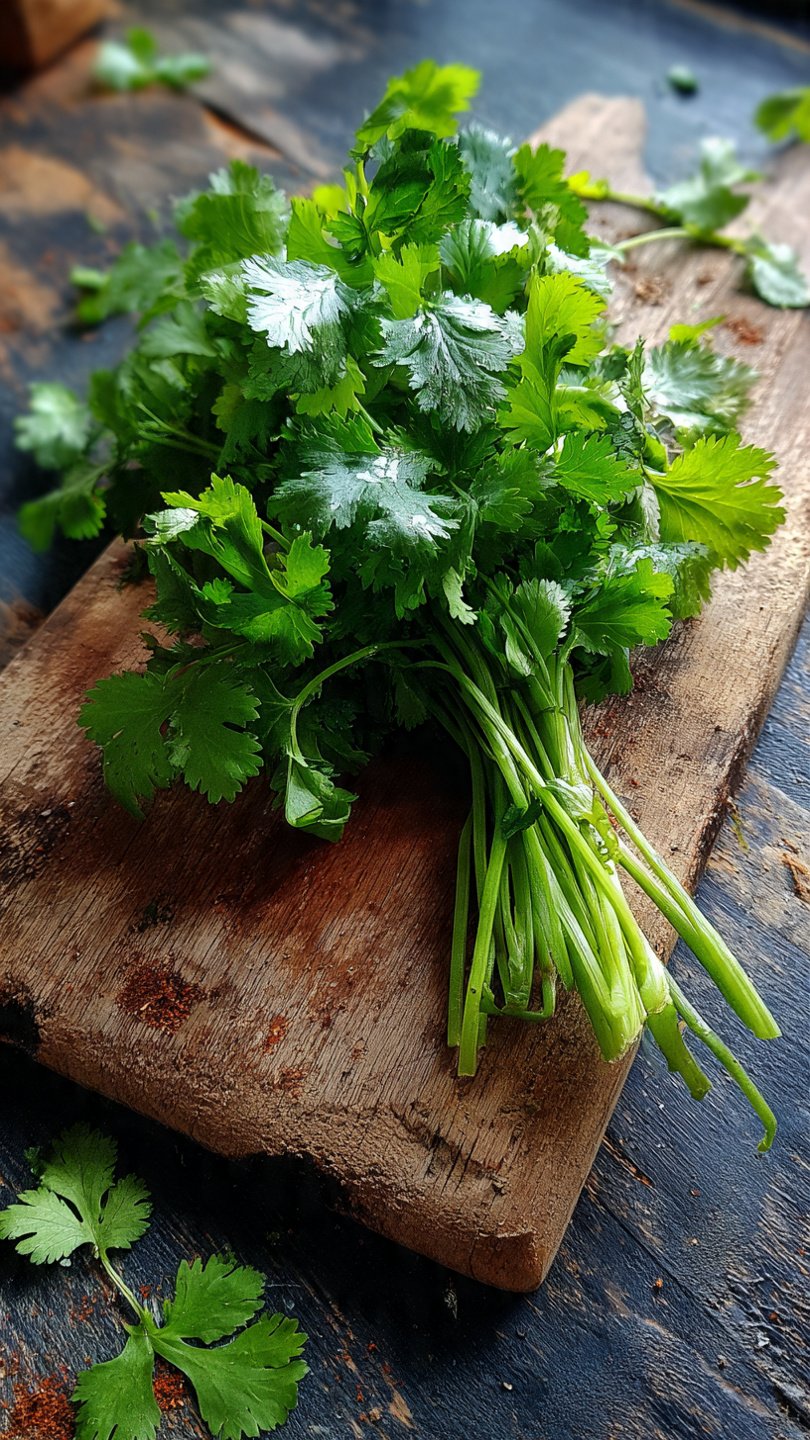
Coriander Other Names

The Ultimate Coriander Name Guide: Cilantro, Dhania, and Global Varieties

Have you ever felt confused standing in the herb aisle or reading an international recipe that calls for cilantro, dhania, or coriander?

You are not alone. This versatile herb is famous worldwide, but it goes by entirely different names depending on where you live, what language you speak, and which part of the plant you are using.

If you are planting our heirloom, non-GMO coriander seeds, understanding these names will help you confidently follow global recipes and gardening guides.

Here is your ultimate breakdown of the many names of coriander.

The Quick Answer: What’s the Difference?

In South Africa and many parts of the world, coriander refers to the entire plant (Coriandrum sativum), though the name is most commonly used for the dried spice seeds.

The Leaves: Often called Dhania locally, or Cilantro in American recipes.

The Seeds: Almost universally called Coriander seeds.

The Plant: Scientifically classified as Coriandrum sativum.

Local South African Names

Because South Africa is a beautifully diverse nation, you will hear this herb called different names depending on the cultural context:

1. Dhania (Dhanya / Dhanyabaad) Brought to South Africa via rich Indian culinary traditions, Dhania is the absolute go-to name for the fresh green herb in local supermarkets, spice shops, and home kitchens. If a local recipe calls for a handful of chopped dhania, it means fresh coriander leaves.

2. Koriander (Afrikaans) In Afrikaans, the plant and its seeds are known as koriander. It is an iconic ingredient in traditional Afrikaans culinary heritage—ground koriander seeds are the essential, non-negotiable spice used to flavor authentic home-cured biltong and droëwors.

Global and Regional Names

If you are looking up gardening tips or cooking recipes online, you will run into these common international names:

1. Cilantro (North America)

In the United States and Canada, the fresh green leaves and stems of the plant are strictly called cilantro (which is simply the Spanish word for coriander).

However, American recipes will still refer to the dried spice seeds as coriander.

2. Chinese Parsley (Asia)

In many English-speaking parts of Asia, as well as in older traditional cookbooks, fresh coriander is called Chinese parsley.

This name came about because the flat, serrated green leaves look visually identical to flat-leaf Italian parsley, even though the intense, citrusy aroma is completely different.

3. Coentro (Portugal & Brazil)

In Portuguese-speaking communities, the herb is known as coentro. If you are cooking a traditional Mozambican or Portuguese peri-peri dish, this is the name you will see.

Linguistic and Botanical Names

Language/Region: Name Used (Part of Plant)

  1. Botanical/Scientific: Coriandrum sativum (Entire Plant)
  2. South African (General): Dhania (Fresh Leaves)
  3. South African (Afrikaans): Koriander (Seeds & Plant)
  4. North American (US/Canada): Cilantro (Fresh Leaves)
  5. United Kingdom & Australia: Coriander (Leaves and Seeds)
  6. Asian English: Chinese Parsley (Fresh Leaves)
  7. Spanish: Cilantro / Culantro (Entire Plant)
  8. French: Coriandre (Entire Plant)
  9. Hindi / Urdu: Dhaniya (धनिया) (Entire Plant)

Culinary Confusion: Cilantro vs. Coriander vs. Culantro

There is one more common mix-up to avoid online: Cilantro vs. Culantro.

While they sound almost identical, Culantro (Eryngium foetidum) is an entirely different botanical cousin to coriander.

Culantro has long, spiky leaves and a much stronger, more pungent flavor.

It is popular in Caribbean and West Indian cooking but is not the same herb as the coriander seeds you plant in your garden.

Grow Your Own Global Herb

No matter what you choose to call it—dhania, cilantro, or coriander—nothing beats the flavor of picking it fresh from your own backyard. Growing your own patch from heirloom seeds ensures you have a steady supply of both aromatic green leaves for curries and crunchy spice seeds for your next batch of biltong.

Shopping Basket
0
    0
    Your Cart
    Your cart is emptyReturn to Shop
    Scroll to Top