, ,

Black Mustard Over 100 Seeds

R15,00

Excluding shipping

Availability: 74 in stock

Guaranteed Safe Checkout

Spice up your garden and your kitchen with our premium, heirloom Black Mustard seeds, offering over 100 seeds per pack to cultivate a fast-growing crop packed with intense flavor and natural health benefits.

Bring Bold Flavor and Vibrant Growth to Your Garden

Black Mustard (Brassica nigra) is a powerhouse addition to any South African kitchen garden. Known for producing the most pungent and intensely spicy seeds of all the mustard varieties, this heirloom, non-GMO crop is incredibly easy to grow.

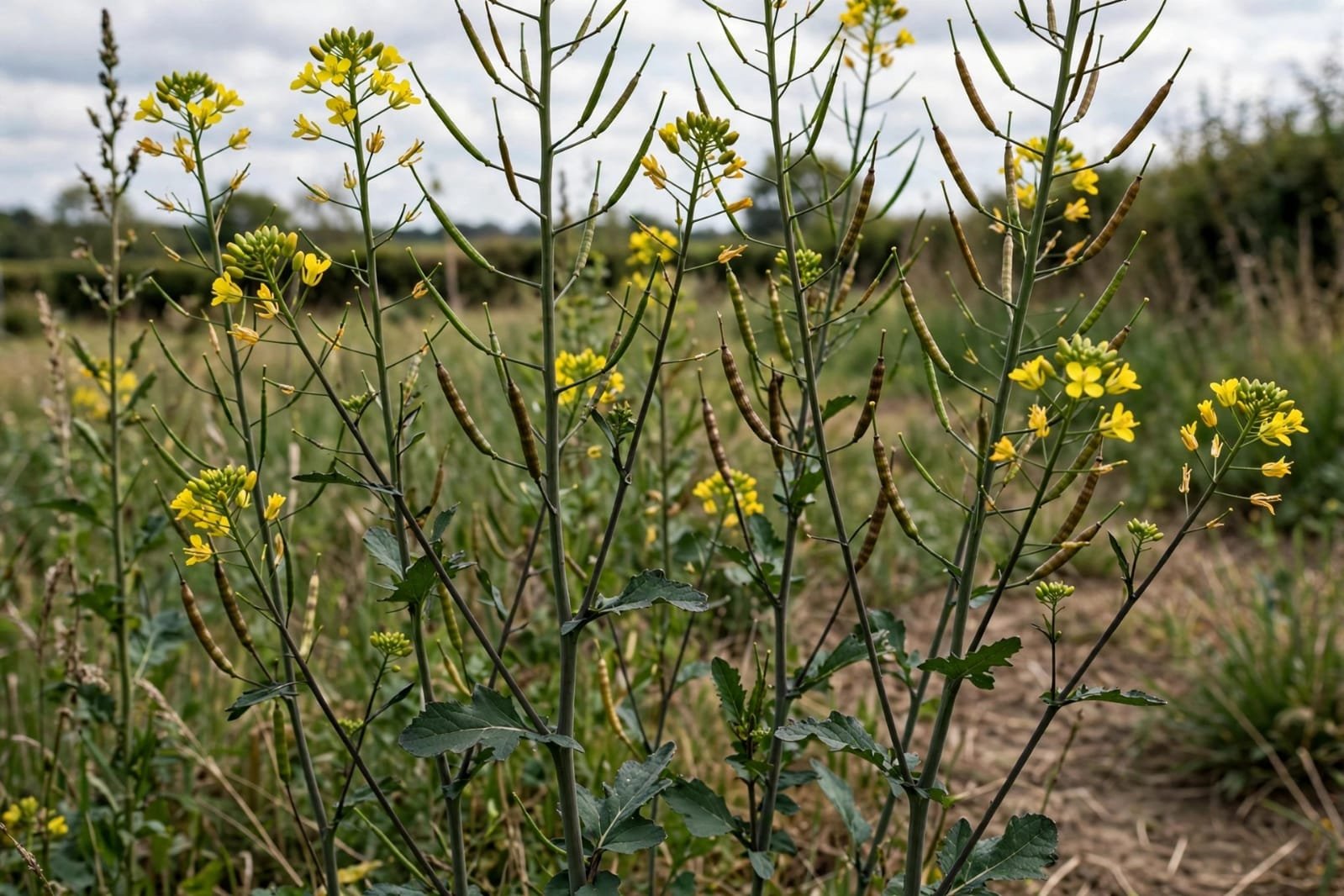
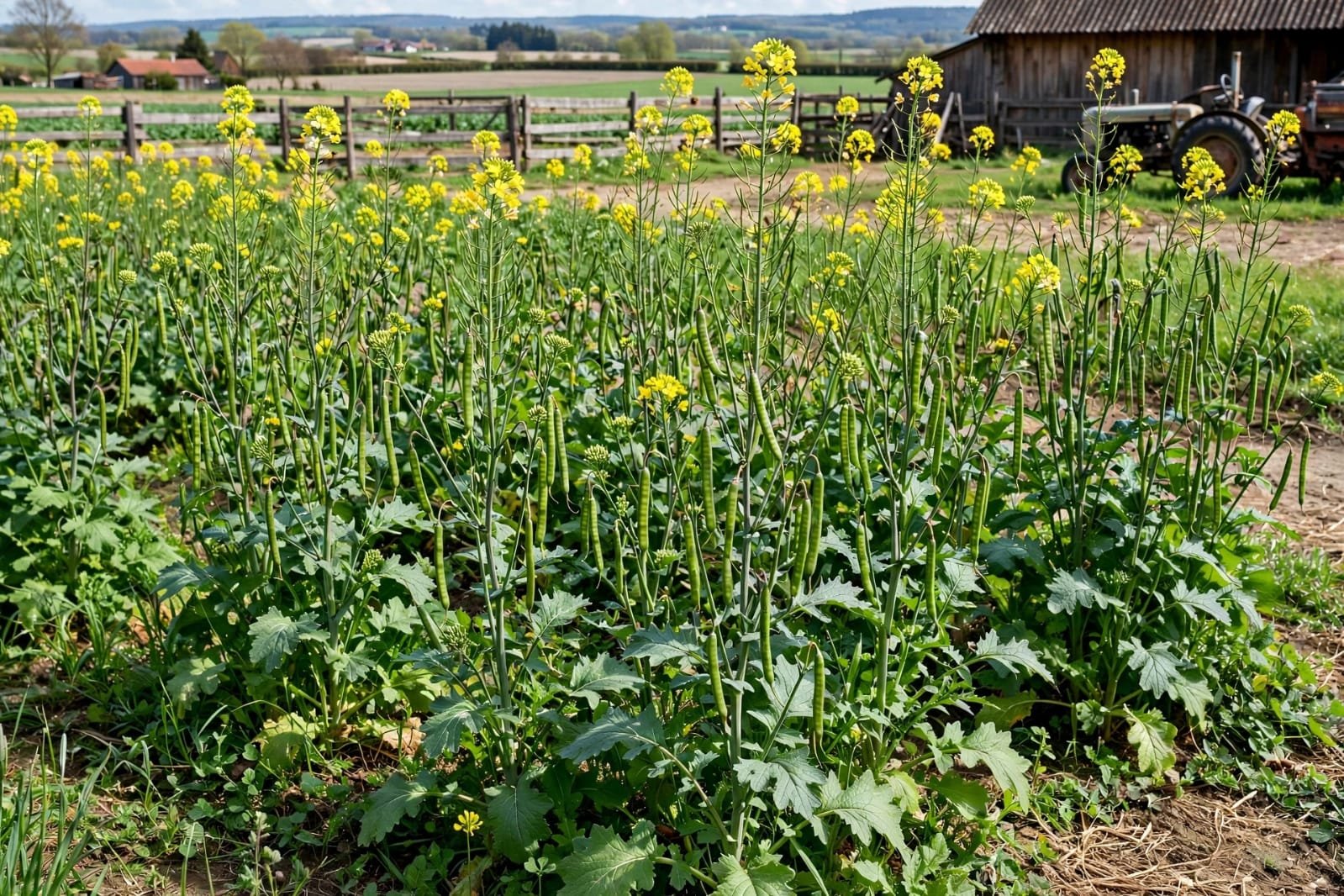
It rewards you with a dual harvest: tender, peppery green leaves for fresh salads and stir-fries, followed by striking golden-yellow flowers that turn into pods filled with fiery black seeds.

Whether you want to harvest the nutritious greens, grind the seeds into authentic homemade whole-grain mustard, or use them to temper traditional South African curries, this resilient annual performs beautifully in local soils.

Why You’ll Love Our Black Mustard Seeds

  1. The Ultimate Culinary Punch: Brassica nigra seeds contain a higher concentration of volatile oils than yellow or brown mustard, delivering a genuinely sharp, hot flavor profile.
  2. Generous Seed Count: Every packet contains over 100 seeds, providing excellent value whether you are planting a neat kitchen row or sowing a dense patch for microgreens.
  3. Heirloom & Non-GMO: Preserved in its pure, natural state. Our seeds are open-pollinated, untreated, and entirely free from genetic modification, ensuring a safe, wholesome harvest.
  4. Excellent Pollinator Magnet: The brilliant yellow summer blooms act as a natural beacon for bees, butterflies, and other beneficial insects, boosting the overall health of your garden.
  5. Multi-Purpose Cover Crop: Beyond its culinary uses, Black Mustard works exceptionally well as a green manure to suppress weeds, break up compacted soils, and naturally deter harmful soil pests.

South African Planting & Growing Guide

  • When to Sow: In South Africa, Black Mustard thrives as a cool-to-warm season annual. Sow from autumn through to early spring for the best leaf and seed production. If growing strictly for quick microgreens, it can be sown year-round indoors.
  • Position: Best planted in full sun, but it easily tolerates partial afternoon shade during warmer months.
  • Soil: Prefers well-draining, fertile soil rich in organic matter. However, it is highly adaptable and will grow in almost any average soil type.
  • Sowing Method: Sow seeds directly into prepared soil or containers. Scatter thinly and cover with a very light layer of fine soil (about 5mm deep). Keep the soil evenly moist.
  • Rapid Sprouting: You won’t have to wait long—green shoots typically emerge within 4 to 7 days. Thin the seedlings to 20cm apart if growing out for a full seed harvest.

Product Specifications

  • Seed Type: Heirloom, Non-GMO Annual
  • Variety: Black Mustard (Brassica nigra)
  • Quantity: Over 100 seeds per pack
  • Days to Maturity: 40 days (for leafy greens) | 90–100 days (for seed harvest)
  • Plant Height: 80cm – 120cm (when flowering)
Reviews

There are no reviews yet.

Be the first to review “Black Mustard Over 100 Seeds”

Your email address will not be published. Required fields are marked *

How to Grow Mustard from Seed

Master the art of cultivating sharp, peppery greens and fiery culinary spices with our expert step-by-step guide to planting and growing heirloom Black Mustard seeds in South Africa.

Overview: The Fast-Growing Kitchen Essential

Mustard (Brassica nigra) is one of the most rewarding, multi-purpose crops you can introduce to your garden.

Renowned for its rapid growth, this resilient heirloom variety can be enjoyed at three distinct stages: as nutrient-dense microgreens within days, as tangy salad leaves within weeks, or as mature seed pods for homemade whole-grain mustards and spice blends.

Whether you are looking to boost your kitchen self-sufficiency or introduce a natural pollinator magnet to your patch, growing mustard from a pack of over 100 seeds is quick, simple, and highly productive.

When to Plant Mustard in South Africa

Mustard is a cool-season annual that grows best when temperatures are moderate. If grown in intense summer heat, the plant will quickly “bolt” (go to seed prematurely), making the leaves tough and bitter.

Highveld & Inland Regions (Gauteng, Free State): Sow from autumn through to early spring (March to September). Avoid mid-winter sowing if your area experiences heavy, ground-freezing frosts.

Winter Rainfall Regions (Western Cape): Sow from autumn to early winter (April to June) to make the most of the natural, cool rainy season.

Subtropical Regions (KZN Coast): Sow strictly during the winter months (May to July) to ensure the crop grows in mild, low-humidity conditions.

Microgreens Exception: If you are growing mustard strictly indoors on a windowsill for quick microgreens, you can sow the seeds all year round.

Step 1: Choose and Prepare the Site

Give your mustard plants the right foundation to thrive:

Sunlight: Select a spot that receives full sun to partial shade. In South Africa’s warmer months, afternoon shade is highly beneficial to keep the soil cool and prevent the plants from bolting.

Soil Requirements: Mustard loves rich, loamy, well-draining soil but is highly adaptable to average garden soils.

Preparation: Dig over the soil to a depth of 15 cm to loosen it up. Mix in a generous layer of mature organic compost to give the seedlings a nutritious head start. Rake the surface until it is smooth and crumbly.

Step 2: Sow the Seeds (Direct Sowing)

While mustard can handle gentle transplanting, it establishes much faster and grows stronger when sown directly into its final position in the garden or outdoor containers.

  1. Create Furrows: Draw shallow lines in the prepared soil about 5mm to 1cm deep. Space your rows roughly 30 cm apart.
  2. Sow Thinly: Drop your seeds lightly along the bottom of the furrow.
  3. Cover and Press: Cover the seeds with a thin layer of fine soil or sand. Press the earth down gently with your hands so the seeds make secure contact with the soil.
  4. Water Softly: Use a watering can with a fine rose or a gentle mist setting on your hose to thoroughly moisten the row. A heavy blast of water will wash the tiny seeds away.

Step 3: Rapid Germination and Thinning

The Sprouting Phase: Mustard seeds are incredibly eager growers. As long as the soil is kept consistently moist, you will see green shoots emerge within 4 to 7 days.

Thinning for Leaves: Once the seedlings reach about 5 cm in height, thin them out to stand 10 cm apart. You can toss the thinned-out seedlings directly into your salads!

Thinning for Seed Harvest: If your goal is to harvest the actual black mustard seeds, the plants will need more physical room to branch out. Thin them further until the strongest plants are spaced 20 to 30 cm apart.

Step 4: Care and Maintenance

Watering: Mustard has shallow roots and requires regular, even moisture. Water deeply once or twice a week, ensuring the soil doesn’t dry out completely. Dry soil stresses the plant and triggers immediate flowering.

Mulching: Spread a thin layer of straw, bark chips, or organic mulch around the base of the plants. This locks in soil moisture and keeps the roots cool.

Feeding: If you added compost during preparation, mustard generally won’t need heavy feeding. For maximum leaf production, a single application of a balanced, nitrogen-rich organic liquid fertilizer three weeks after sprouting will give them an excellent boost.

Step 5: The Dual Harvest

Harvesting Baby Greens (Day 20–30): Pluck individual outer leaves when they reach about 10 cm long. Leave the center of the plant intact so it keeps producing fresh foliage.

Harvesting Seeds (Day 90–100): After a stunning display of bright yellow flowers, the plant will produce narrow green seed pods. Watch these closely. When the pods turn from green to a light tan or brown colour, they are ready.

Cut the entire seed head off and place it inside a paper bag. Hang the bag in a dry spot; as the pods completely dry out, they will split open, dropping the rich, spicy black seeds right into the bottom of the bag.

Mustard Medicinal and Nutritional Uses

Discover the powerful health rewards, dietary benefits, and traditional therapeutic history of heirloom Black Mustard (Brassica nigra) seeds and greens.

Mustard is far more than just a sharp culinary condiment. For thousands of years, civilizations across the Mediterranean, Asia, and Africa have prized this vigorous annual for its potent wellness properties.

Cultivating a crop from a pack of over 100 seeds yields a highly functional food source, offering both nutrient-dense leafy greens and active, medicinal seeds right from your garden.

The Nutritional Value of Mustard Greens and Seeds

Both the leaves and the seeds of Brassica nigra deliver a dense concentration of essential micronutrients:

Antioxidant Powerhouse: Like its cousins broccoli and kale, black mustard is loaded with glucosinolates—specifically sinigrin. When crushed, sinigrin converts into allyl isothiocyanate, a compound extensively studied for its strong anti-inflammatory, antimicrobial, and cellular-protective properties.

Vitamins A, C, and K: Consuming the tender, peppery green leaves provides a massive dose of Vitamin K (critical for bone health and blood clotting), alongside substantial amounts of Vitamin A (for vision support) and Vitamin C (to boost immune defense).

Mineral-Rich Seeds: Black mustard seeds are concentrated sources of vital minerals, including selenium and magnesium, which play an important role in reducing systemic inflammation and supporting muscle recovery.

Historical and Traditional Wellness Uses

In traditional European and Ayurvedic wellness practices, black mustard was a foundational remedy utilized to stimulate circulation and ease discomfort:

The Traditional Mustard Plaster: Historically, crushed black mustard seeds were mixed with warm water and flour to create a paste, which was applied to the chest or joints inside a cloth pouch. Known as a mustard plaster or poultice, it acts as a counter-irritant—drawing blood to the surface to stimulate local circulation, ease deeply congested airways during colds, and relieve sore muscles or arthritic joints.

Digestive Stimulant: In traditional cooking, tempering food with black mustard seeds was used to fire up the digestive tract. The pungent oils stimulate the production of saliva and gastric juices, helping the body break down heavy, complex meals efficiently.

Therapeutic Foot Soaks: A traditional home remedy for tension headaches and sluggish circulation involved adding a tablespoon of ground mustard powder to a warm foot bath to draw congestion away from the upper body.

Safe Handling and Herbal Precautions

Because black mustard contains highly potent volatile oils, it should be handled with respect and proper care:

Avoid Direct Skin Burns: Never apply a raw mustard seed paste directly to bare skin. The intense heat generated by the active oils can quickly cause chemical burns, severe redness, or painful skin blistering. Always use a protective layer of cloth (like flannel or linen) between the poultice and your skin, and limit application times to 10–15 minutes.

Moderation is Key: While enjoying mustard greens in salads or using seeds in curries is completely safe and healthy, consuming concentrated mustard seed extracts or powders in excessive medicinal quantities can irritate the stomach lining or GI tract.

Allergy Check: Individuals with a known allergy to mustard seeds or related plants in the Brassicaceae family should avoid therapeutic applications.

Mustard Growing Guide

Master the art of cultivating a heavy harvest of sharp, peppery greens and fiery culinary spices with our comprehensive, expert-approved Black Mustard growing guide tailored for South African conditions.

An Introduction to Brassica nigra

Mustard (Brassica nigra), commonly known as Black Mustard, is a standout addition to the home vegetable patch.

While white and brown mustard varieties are widely grown, Black Mustard is highly celebrated by culinary enthusiasts for producing the most pungent, intensely aromatic, and fiery seeds of all the mustard species.

Belonging to the resilient Brassicaceae (cabbage) family, this fast-growing cool-season annual is incredibly versatile.

It rewards the home gardener with a dual harvest: tender, vitamin-rich leafy greens within a few weeks, followed by a spectacular show of bright yellow blossoms that mature into pods packed with spice-closet-ready black seeds.

Growing to a majestic height of 80–120 cm when flowering, it serves as a stunning visual anchor, a companion plant, and a high-yielding food crop all at once.

Optimal Growing Conditions

To achieve a prolific leaf yield and maximum seed development, ensure your growing site meets these environmental criteria:

Sunlight Requirements: Black Mustard performs at its absolute best in full sun, requiring at least 6 hours of direct daily sunlight. However, during the intense heat of South African summers, it highly appreciates partial afternoon shade to prevent the leaves from turning tough and bitter.

Soil Preferences: The ideal home for mustard is a fertile, well-draining loamy soil rich in organic matter. While it is remarkably adaptable and will grow in average or sandy soils, it dislikes waterlogged conditions. Aim for a soil pH between 6.0 and 7.5.

Nutrient Needs: Incorporating a generous layer of well-rotted organic compost into the bed before planting provides all the nutrition this fast-growing annual needs. Avoid over-applying high-nitrogen chemical fertilisers, as this will result in massive leaves but very weak flower and seed production.

South African Planting Calendar

Mustard is a cool-season crop that thrives when temperatures are moderate. Intense, dry heat causes the plant to “bolt” (go to seed prematurely), which stops leaf production. Plan your sowing window according to your local region:

Highveld & Inland Regions (Gauteng, Free State): Sow from autumn (March to May) through to early spring (August to September). Avoid sowing in the dead of winter if your area experiences heavy, ground-freezing frosts.

Winter Rainfall Regions (Western Cape): Sow from autumn to early winter (April to June) to allow the crop to establish naturally with the seasonal cool weather and winter rains.

Subtropical Regions (KZN Coast): Sow strictly during the winter months (May to July) so the crop can grow and finish its cycle before the extreme humidity and summer heat arrive.

How to Sow and Propagate Mustard

While mustard seedlings can tolerate very gentle handling, they establish much faster and grow significantly stronger when sown directly where they are to flower. For a top-tier harvest, sow your pack of over 100 seeds directly into your garden beds or deep outdoor containers.

  1. Prepare the Seedbed: Weed the area thoroughly and loosen the top 15 cm of soil with a garden fork. Rake the soil to a fine, crumbly texture.
  2. Draw Furrows: Create shallow rows roughly 5mm to 1cm deep, keeping the rows spaced 30 cm apart.
  3. Sow Thinly: Scatter the tiny seeds thinly along the bottom of the furrow. To ensure even distribution, you can mix the small seeds with a handful of fine dry sand before sowing.
  4. Cover and Water: Cover the seeds lightly with a thin layer of fine soil. Press the earth down gently so the seeds make firm contact with the soil. Mist the row tenderly using a watering can with a fine rose spray; a harsh blast will wash the seeds away. Keep the soil evenly moist.
  5. Rapid Germination: Mustard is an incredibly eager starter. Green shoots will reliably emerge within 4 to 7 days.

Ongoing Care and Maintenance

Thinning Out: When the seedlings reach about 5 cm in height, thin them to stand 10 cm apart if you are growing them primarily for fresh salad greens. If your goal is a full seed harvest, thin them further to a spacing of 20–30 cm apart to give the mature bushes structural room to expand.

Tip: Toss the thinned seedlings straight into your kitchen salads for an instant peppery kick!

Watering Routine: Mustard has a shallow root system and requires consistent moisture. Water deeply once or twice a week, ensuring the soil never dries out completely. Drought stress instantly triggers the plant to stop producing leaves and bolt to flower.

Mulching: Apply a layer of clean straw or organic mulch around the base of the plants to retain soil moisture and keep the root zone cool.

Harvesting and Seed Collection

Harvesting Greens (Day 20–40): You can begin harvesting baby leaves as early as 3 weeks. Always pluck the outer leaves individually, leaving the inner growing crown intact so the plant continues to throw out fresh foliage for months.

Harvesting Seeds (Day 90–100): Once the plant produces its beautiful golden blossoms, narrow green seed pods will develop. Monitor them closely as they mature. When the pods turn from green to a light tan or papery brown colour—but before they split open naturally—cut the entire seed heads off. Place the seed heads upside down inside a paper bag and hang it in a warm, dry room.

As the pods finish drying, they will snap open, dropping the rich, spicy black seeds cleanly into the bottom of the bag.

Mustard Other Names

Discover the botanical classifications, global titles, and common culinary aliases for Black Mustard (Brassica nigra) to help you identify, research, and cultivate this historic spice crop with complete confidence.

Why Understanding Plant Names Matters

When browsing heirloom seed catalogs, historical remedies, or international recipes, you will frequently discover that a single plant can go by dozens of different names.

By learning the exact scientific classification and popular vernacular titles for Black Mustard, you can ensure you are purchasing the true, highly pungent heirloom seeds for your South African kitchen garden while avoiding common lookalike varieties.

The Scientific Name: Botanical Classification

Brassica nigra: This is the official binomial scientific name for Black Mustard. When you want to ensure you are getting the sharpest, most intensely flavored mustard plant available, always check your seed packet for this exact name.
The Meaning: The genus name Brassica is the classical Latin word for cabbage, accurately placing the plant within the broader cruciferous family. The specific epithet nigra translates directly to “black,” referencing the dark, rich color of the mature seeds.

The Family: It belongs to the Brassicaceae family (formerly known as the Cruciferae family). This makes it a direct relative of garden staples like broccoli, kale, cabbage, radishes, and turnip greens.

Global Common Names and Regional Aliases

Throughout its thousands of years of agricultural travel across Europe, Asia, and Africa, Brassica nigra has picked up several unique common names:

Black Mustard: The most widely recognized name globally and within South African gardening circles, highlighting the color of the highly sought-after seeds.

True Mustard: Because black mustard seeds deliver the sharpest punch and contain the highest concentration of the volatile, spicy oil allyl isothiocyanate, historical herbalists often called it “true mustard” to set it apart from milder varieties.

Senf (German) / Moutarde Noire (French): If you are researching traditional European whole-grain recipes or heirloom seed preservation groups, you will frequently see it listed under its German name Schwarzer Senf or its French title Moutarde Noire.

Rai / Kali Rai (Ayurvedic/Indian Culinary): In Indian agricultural trade and traditional culinary spaces, mustard seeds are broadly referred to as Rai. Specifically, the prefix Kali (meaning black) denotes the highly pungent Brassica nigra, separating it from its brown and yellow counterparts.

Common Naming Confusions to Avoid

It is incredibly easy to accidentally confuse Black Mustard with other species in the Brassica genus. When ordering seeds online, make sure you don’t mistake it for these distinct options:

Brown Mustard (Brassica juncea): Also known as Indian Mustard, Chinese Mustard, or Oriental Mustard. While the seeds look visually similar to black mustard, Brassica juncea is a different species. It is highly favored for commercial Dijon-style mustards and greens, but it lacks the extreme, fiery heat profile of true Brassica nigra.

White or Yellow Mustard (Sinapis alba / Brassica alba): This is the plant used to create the classic, mild American yellow condiment. The seeds are much larger, light tan in color, and carry a significantly softer, less pungent flavor profile than black mustard seeds.

Wild Mustard (Sinapis arvensis): Commonly known as Charlock, this is a widespread wild weed found in agricultural fields. While it produces similar bright yellow blossoms, it is not cultivated for culinary use and should not be confused with the managed garden heirloom.

Shopping Basket
0
    0
    Your Cart
    Your cart is emptyReturn to Shop
    Scroll to Top