,

Turnips – Over 100 Seeds

R15,00

Excluding shipping

Availability: 86 in stock

Guaranteed Safe Checkout

Grow your own crisp, sweet turnips at home with our premium Purple Top White Globe Turnip seeds.

This classic heirloom variety is a favourite among South African gardeners for its reliable yields, excellent flavour, and versatility in the kitchen.

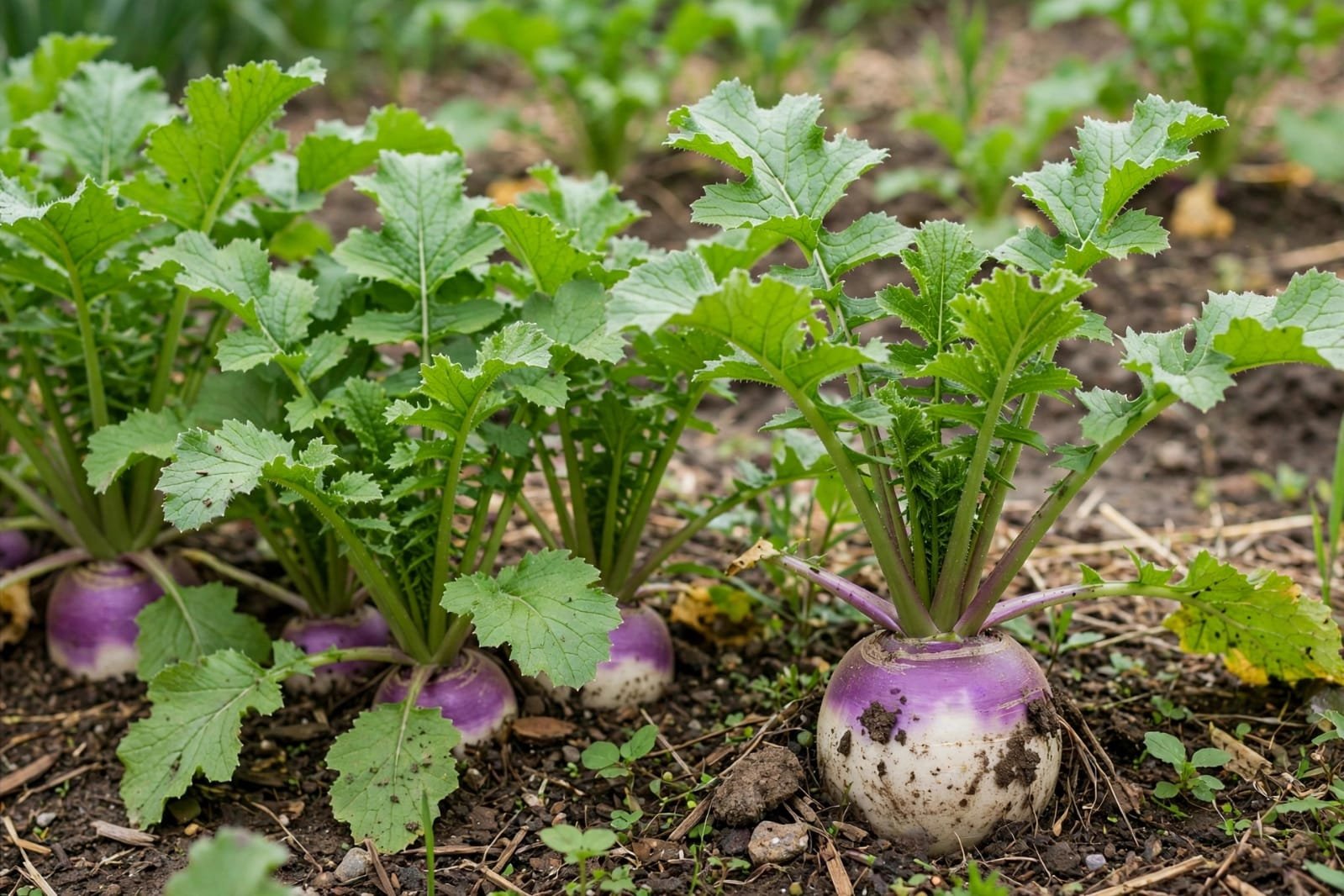
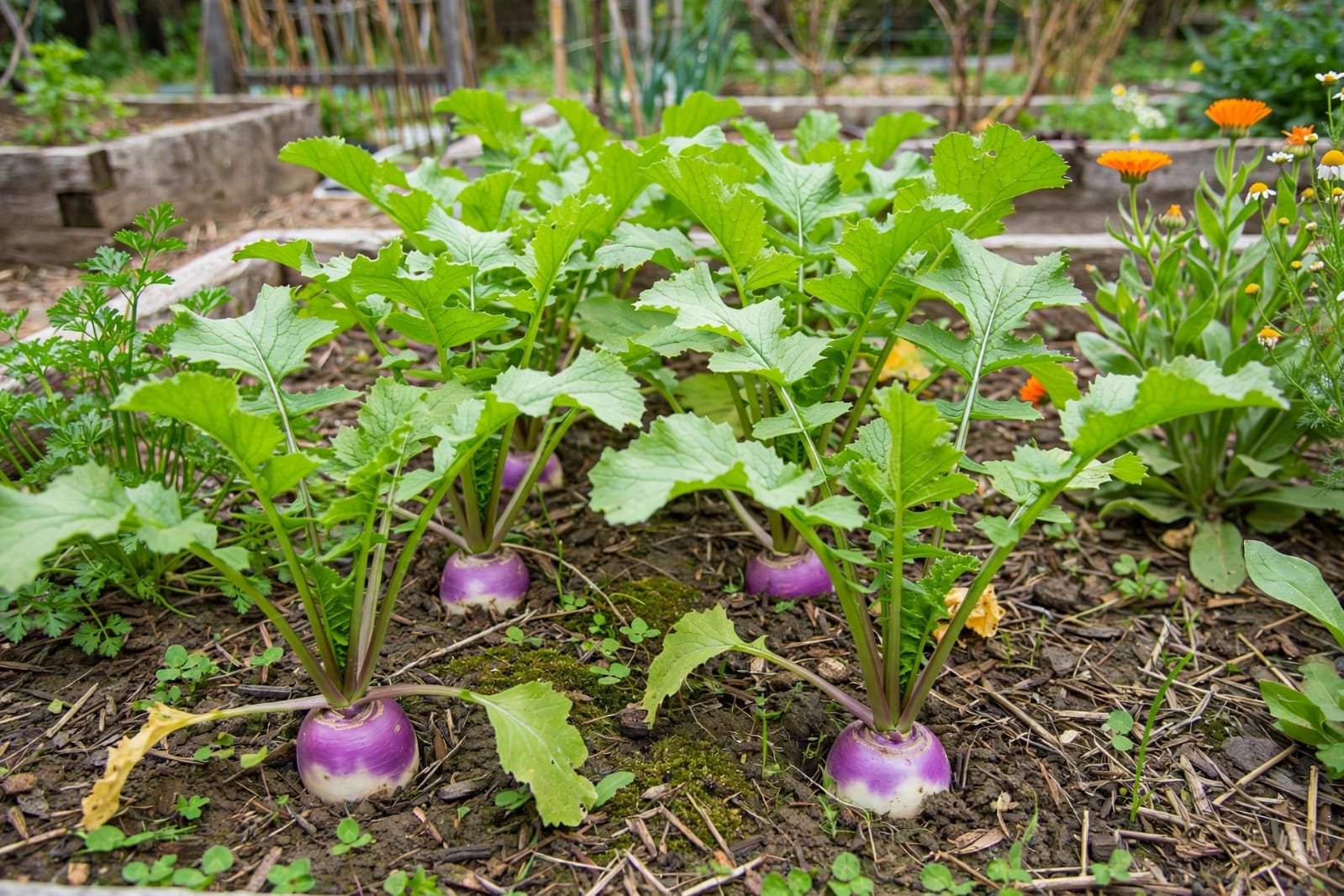
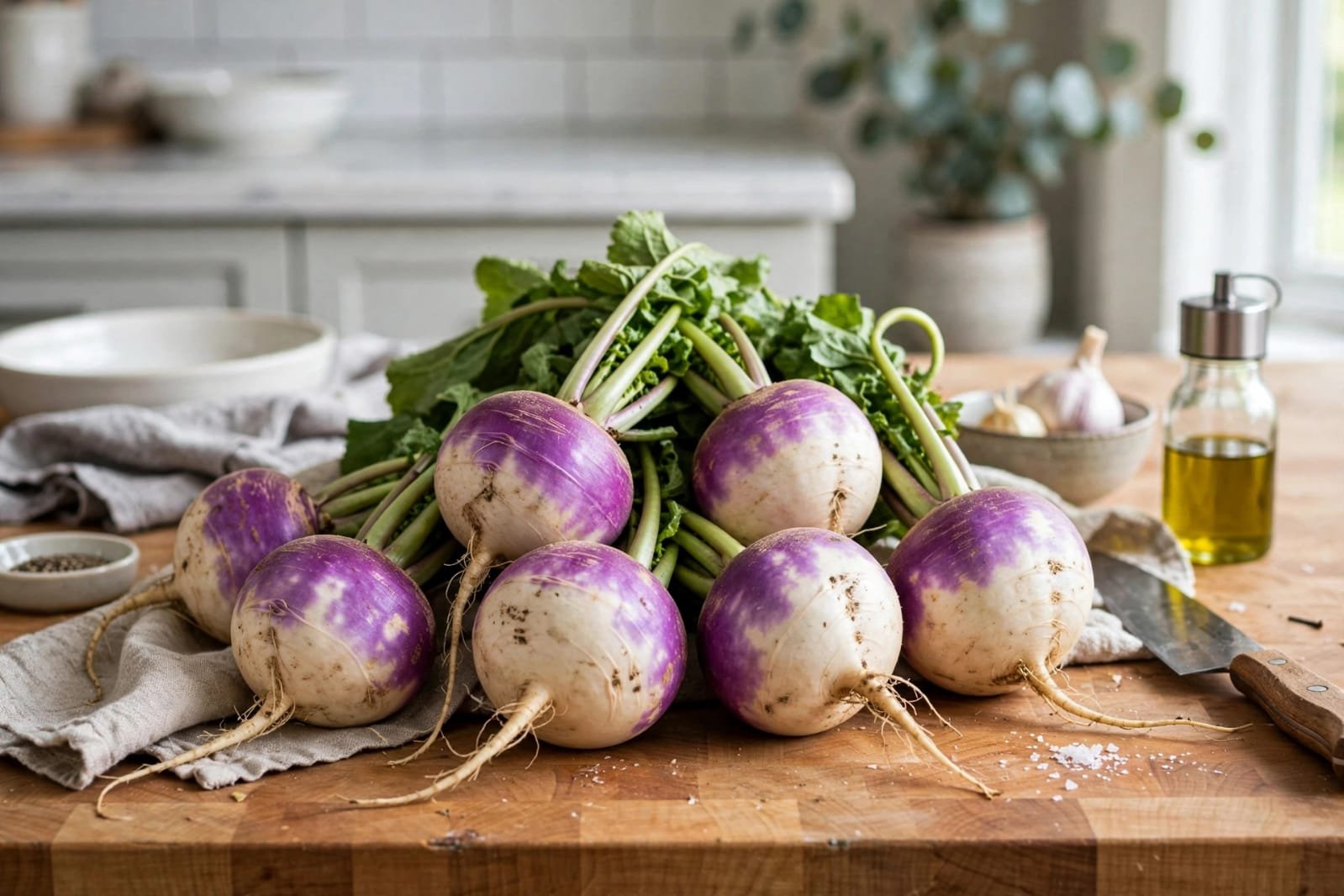
Perfect for both traditional vegetable patches and raised beds, these non-GMO seeds produce beautiful round roots with bright purple tops and creamy white bottoms.

Each packet contains over 100 seeds, giving you an abundant supply to sow across the planting season.

Purple Top White Globe turnips grow exceptionally well in South African climates, offering a fast-growing crop that is ready to harvest in just 50 to 60 days.

The tender white flesh has a mild, sweet taste when young, making it perfect for raw slicing, roasting, or adding to hearty stews.

As a bonus, the leafy green tops are highly nutritious and can be harvested early as delicious turnip greens.

These open-pollinated heirloom seeds are completely non-GMO and adapted to thrive in well-drained, fertile soil with full sun to partial shade.

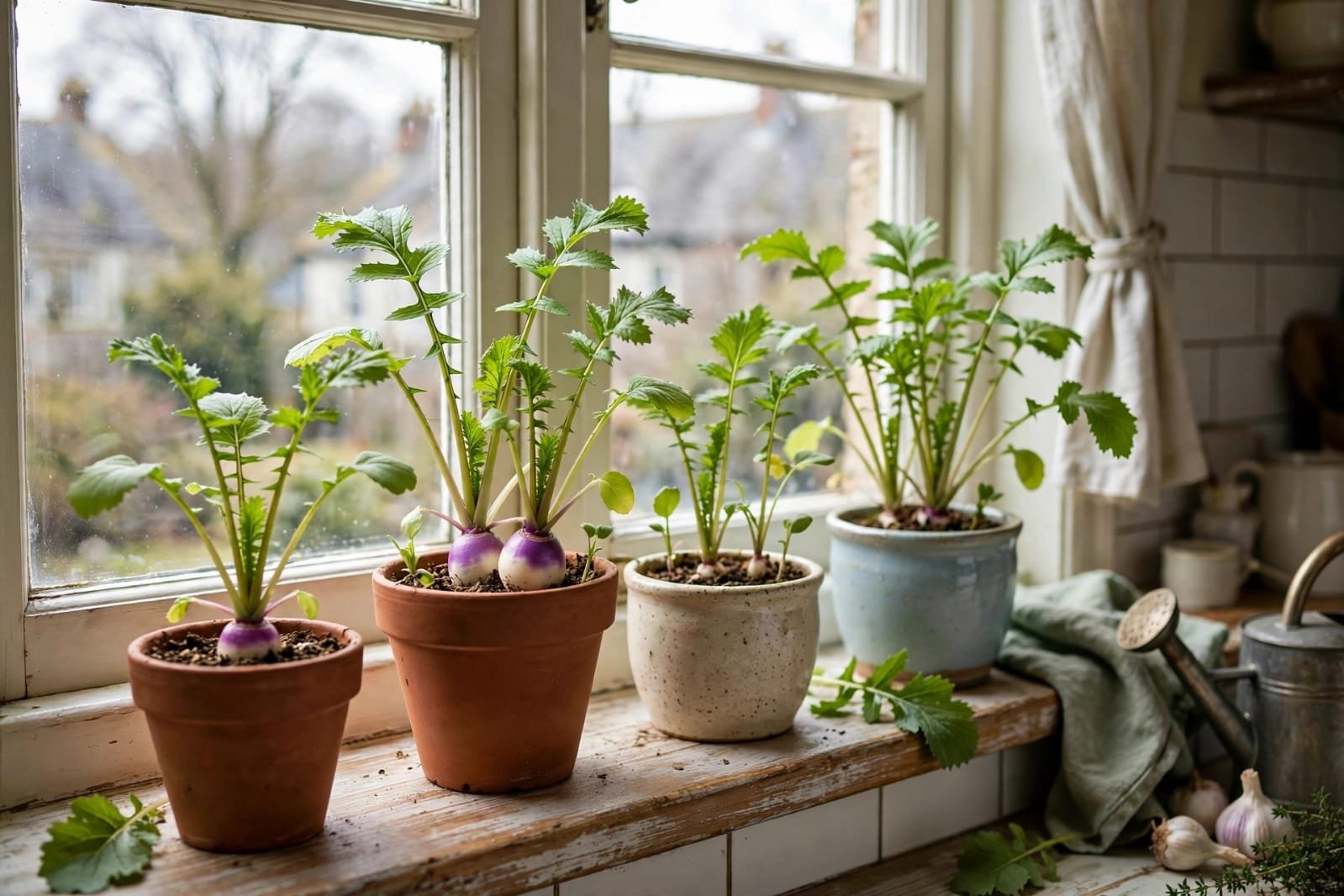
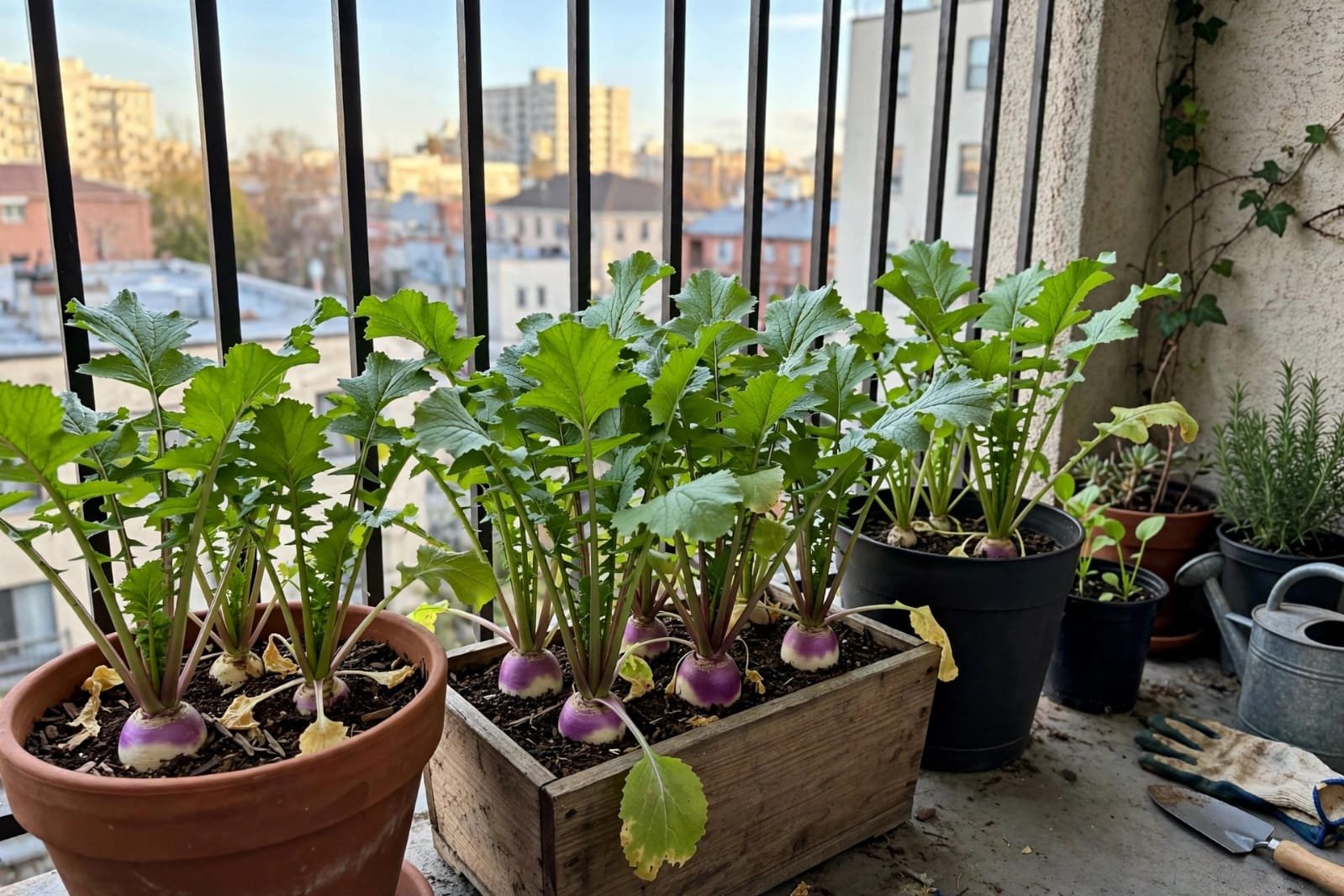
Whether you are an experienced homesteaded or a beginner urban gardener, these hardy roots provide an easy and rewarding growing experience.

Sow them directly into your garden during autumn or spring for a continuous harvest of crisp, homegrown produce.

Reviews

There are no reviews yet.

Be the first to review “Turnips – Over 100 Seeds”

Your email address will not be published. Required fields are marked *

How to Grow Turnips from Seed

Learn how to grow Turnips (Purple Top White Globe) from seed in South Africa with our easy, step-by-step planting guide.

Turnips are incredibly rewarding, fast-growing cool-season root vegetables that provide both crisp, sweet roots and nutritious leafy greens.

Quick Growing Facts

  • Sowing Depth: 1 cm deep
  • Plant Spacing: 10 to 15 cm apart
  • Row Spacing: 30 cm apart
  • Sunlight Requirements: Full sun to partial shade
  • Time to Maturity: 50 to 60 days
  • Best Planting Seasons: Autumn (March to May) and Spring (August to September)

Step 1: Choose the Right Time to Plant

Turnips thrive best when grown in cool weather. High heat can cause the roots to become woody and unpleasantly pungent.

In most parts of South Africa, autumn is the ideal planting window, allowing the roots to mature during the cooler winter months.

If you live in an area with mild summers or cold winters, a spring sowing will also yield an excellent harvest.

Step 2: Prepare Your Soil

For well-shaped, smooth turnip roots, soil preparation is key.

Soil Type: Turnips prefer loose, well-draining, fertile soil with a pH between 6.0 and 6.5.

Preparation: Clear the planting area of any rocks, sticks, and heavy clay clumps that could distort root growth. Dig the soil down to a depth of about 20 to 25 cm.

Fertility: Mix in a generous amount of aged compost or well-rotted manure before planting. Avoid high-nitrogen chemical fertilizers, as they promote lush leaf growth at the expense of root development.

Step 3: Sowing the Seeds

Turnips do not transplant well and should always be sown directly into their permanent growing position. Each of our premium seed packets contains over 100 seeds, allowing you to sow in successive batches for a continuous harvest.

Make shallow furrows about 1 cm deep, leaving 30 cm of space between rows. Sow the seeds thinly along the furrow, aiming for roughly 2 cm apart.

Lightly cover the seeds with fine soil or compost and press down gently to ensure good seed-to-soil contact. Water the area thoroughly using a fine mist setting on your hose to avoid washing the seeds away.

Keep the soil consistently moist until germination occurs, which usually takes 4 to 10 days.

Step 4: Thinning and Spacing

Once your seedlings reach about 5 cm in height, it is crucial to thin them out. If plants are overcrowded, they will fail to develop healthy bulbous roots.

Thin the seedlings to a final spacing of 10 to 15 cm apart. Do not pull the unwanted seedlings out by the roots, as this can disturb the root systems of the remaining plants. Instead, snip them off at soil level with scissors.

Gardener’s Tip: The thinned-out baby turnip leaves are completely edible and make a delicious, peppery addition to fresh salads!

Step 5: Ongoing Care and Watering

Watering: Turnips need consistent moisture to grow rapidly and maintain a sweet flavour. Water deeply at least once or twice a week, ensuring the soil stays evenly moist but not waterlogged. Dry spells followed by heavy watering can cause the roots to split.

Weeding: Keep the area free of weeds, which compete with your turnips for nutrients and water. Cultivate the soil very shallowly around the plants to avoid damaging the shallow root tops.

Mulching: Apply a thin layer of organic mulch (like straw or dried leaves) around the plants to retain soil moisture and regulate ground temperature.

Step 6: Harvesting Your Turnips

Your Purple Top White Globe turnips will be ready to enjoy in just 50 to 60 days.

For Turnip Greens: You can harvest a few outer leaves from each plant once they reach 10 to 15 cm tall. Do not remove all the leaves, as the plant needs them to grow the root.

For Tender Roots: Gently pull the roots when they are about 5 to 8 cm in diameter (roughly the size of a golf ball or tennis ball). Turnips harvested at this size are at their peak sweetness and have a tender, crisp texture.

How to Harvest: Firmly grasp the base of the leaves at the soil line and pull straight up. Twist off the green tops immediately after harvest to keep the roots fresh for longer storage.

Turnips Medicinal and Nutritional Uses

Unlock the incredible health benefits of turnips with our comprehensive guide to the medicinal and nutritional uses of this powerful root vegetable.

While South African gardeners love Purple Top White Globe turnips for their hardy growth and sweet flavour, these versatile vegetables are also a nutritional powerhouse.

Both the crisp roots and the vibrant green leaves are packed with essential vitamins, minerals, and bioactive compounds that support whole-body wellness.

The Nutritional Breakdown: A Two-in-One Crop

One of the greatest advantages of planting turnip seeds is that you get two distinct crops from a single plant. Each packet contains over 100 seeds, giving you access to an abundant supply of both nutrient-dense roots and highly potent greens.

1. The Turnip Root (The Crisp Bulb)

Turnip roots are low in calories but exceptionally high in essential nutrients and dietary fibre. They serve as an excellent, low-carbohydrate alternative to potatoes.

Vitamin C: A powerful antioxidant that supports immune health, skin vitality, and iron absorption. One serving provides a significant portion of your daily requirement.

Potassium: Crucial for regulating blood pressure, balancing fluids, and supporting healthy nerve function.

Dietary Fibre: Promotes excellent digestive health, supports a healthy gut microbiome, and helps manage blood sugar levels.

2. The Turnip Greens (The Leafy Tops)

Never discard the leafy green tops! Turnip greens are legally classified as a “superfood” due to their dense concentration of vitamins and minerals.

Vitamin K: Essential for healthy blood clotting and maintaining strong bone density.

Vitamin A (Beta-Carotene): Vital for maintaining sharp vision, healthy skin, and robust immune defenses.

Folate (Vitamin B9): Supports cellular function and DNA repair, making it an essential nutrient for pregnant women.

Calcium and Iron: Crucial minerals for bone strength and oxygen transport throughout the body.

Medicinal & Health Benefits of Turnips

1. Powerful Antioxidant and Anti-Inflammatory Properties

Purple Top White Globe turnips derive their beautiful purple color from anthocyanins, which are potent antioxidants.

Turnips are also rich in glucosinolates—sulfur-containing compounds that give brassicas their slightly peppery taste.

Scientific studies suggest that glucosinolates help reduce cellular stress, lower chronic inflammation, and may play a role in reducing the risk of certain cancers by neutralizing harmful free radicals.

2. Supports Cardiovascular and Blood Pressure Health

With cardiovascular wellness being a major health focus in South Africa, turnips are an excellent dietary addition.

The high potassium content helps the body excrete excess sodium, directly assisting in lowering and regulating blood pressure.

Turnips naturally contain dietary nitrates, which help relax and widen blood vessels, improving overall circulation and reducing the workload on your heart.

3. Enhances Digestive Health and Weight Management

Because turnip roots are incredibly high in water and fibre while remaining low in calories, they are perfect for weight management and metabolic health.

The dietary fibre acts as a prebiotic, feeding the beneficial bacteria in your gut. This prevents constipation, regulates bowel movements, and promotes long-lasting satiety to prevent overeating.

4. Boosts Bone Density and Strength

Weak bones and osteoporosis are common health concerns as we age. Turnip greens are an exceptional plant-based source of both calcium and vitamin K. Vitamin K improves calcium absorption and reduces the amount of calcium excreted in urine, ensuring your body effectively utilizes the minerals to keep your skeletal structure strong and resilient.

5. Promotes Radiant Skin and Immune Resilience

The exceptionally high levels of Vitamin C found in both the roots and greens act as a natural defense system for your body. Vitamin C is a core building block for collagen production, which keeps your skin firm, elastic, and youthful while assisting the body in healing cuts and wounds efficiently.

Traditional and Wellness Uses

Historically, turnips have been utilized in various traditional wellness remedies:

Soothing Winter Syrups: In traditional European and Asian wellness practices, sliced turnip roots were layered with honey or sugar to create a natural syrup used to soothe sore throats and calm winter coughs.

Detoxifying Greens: Turnip greens have long been consumed in traditional stews and broths to stimulate liver function and aid the body’s natural detoxification processes.

How to Maximize the Nutrients in Your Kitchen

To get the absolute most out of your homegrown harvest:

Eat the Greens Softly Cooked: Lightly steaming or sautéing turnip greens with a splash of lemon juice or olive oil helps break down tough fibres and dramatically increases the bioavailability of fat-soluble vitamins like Vitamin A and K.

Enjoy Roots Raw or Roasted: Slice young, tender turnips raw into salads to preserve 100% of their Vitamin C content, or roast them gently to bring out their natural sugars without destroying their mineral profile.

Turnip Growing Guide

Master the art of cultivating your own fresh vegetables with our comprehensive Turnip Growing Guide, specifically tailored for South African gardeners.

Growing Turnips (Purple Top White Globe) from seed is a highly rewarding project for both beginners and experienced homesteaders.

This fast-growing, cool-season crop provides a dual harvest of crisp, sweet root bulbs and highly nutritious leafy greens.

Because our premium heirloom packets contain over 100 seeds, you will have plenty of seeds to sow in successive rounds for a continuous supply of fresh garden produce.

Quick-Reference Planting Profile

  • Sowing Depth: 1 cm deepSeed Spacing: 2 cm apart initially (thin later)
  • Final Plant Spacing: 10 to 15 cm apartRow Spacing: 30 cm apart
  • Sunlight Preference: Full sun (at least 6 hours) to partial shade
  • Time to Maturity: 50 to 60 days
  • Best Seasons: Autumn (March to May) and early Spring (August to September)

Step 1: Time Your Planting Perfectly

Turnips thrive best when they mature in cool weather. High temperatures can cause the roots to become woody, fibrous, and unpleasantly pungent.

Autumn Sowing (Best Results): In most parts of South Africa, March to May is the absolute ideal planting window. This allows the roots to develop during the mild, cooling winter months.

Spring Sowing: For areas with cooler summers or frosty winters, an early spring sowing in August or September will yield an excellent harvest before the scorching summer heat sets in.

Step 2: Prepare a Nutrient-Rich, Loose Soil Bed

Because turnips are root vegetables, the quality of your soil directly impacts the shape and texture of your harvest.

Clear the Bed: Dig the soil down to a depth of 20 to 25 cm. Remove all rocks, hard clay clumps, and sticks. Obstructions in the soil will cause your turnip roots to become misshapen or split.

Soil Type & pH: Turnips prefer a loose, well-draining loam with a slightly acidic to neutral pH between 6.0 and 6.5.

Fertilization: Work a generous amount of well-rotted organic compost into the soil bed a week before planting. Avoid high-nitrogen chemical fertilizers, as excess nitrogen forces the plant to grow lush, massive leaves at the expense of the root bulb.

Step 3: Sow the Seeds Directly

Turnips develop a delicate taproot early on and do not tolerate being transplanted. Moving seedlings from seed trays to the ground will shock the plant and stunt root growth.

Always sow turnip seeds directly into their final growing position. Make shallow, straight furrows in your prepared soil about 1 cm deep. Space multiple rows roughly 30 cm apart.

Drop the seeds thinly along the furrow, aiming for roughly 2 cm of space between each seed. Lightly cover the furrows with fine soil or sifted compost and press down gently to establish good seed-to-soil contact.

Water the area thoroughly using a watering can with a fine rose attachment or a hose on a mist setting to prevent washing the tiny seeds away. Keep the soil consistently damp. Germination typically takes just 4 to 10 days.

Step 4: Thin Your Seedlings (Crucial Step)

If you do not thin your seedlings, your turnips will become overcrowded and fail to form round, healthy bulbs.

Once your seedlings reach about 5 cm in height, thin them out so that the remaining plants are spaced 10 to 15 cm apart.

Do not pull them up: Pulling unwanted seedlings out can disturb the fragile roots of the neighboring plants you want to keep. Instead, use a sharp pair of scissors to snip the unwanted seedlings off at ground level.

Gardener’s Tip: The snipped baby turnip leaves are entirely edible! Wash them and toss them into your fresh salads for a mild, peppery crunch.

Step 5: Essential Care and Watering

Consistent Moisture: Turnips need quick, steady growth to stay sweet and tender. Water deeply at least once or twice a week, ensuring the soil stays evenly moist but never waterlogged. Inconsistent watering (letting the soil dry out completely and then flooding it) causes the roots to crack and split.

Weed Management: Hand-weed the area regularly. Weeds steal vital nutrients and water from your growing turnips. Be very gentle when weeding near the base of the turnip plants, as their root tops sit very close to the soil surface.

Mulching: Apply a thin layer of organic mulch, such as straw or dried leaves, around the plants. This helps retain soil moisture, keeps the roots cool, and prevents weed seeds from sprouting.

Step 6: Harvesting Your Homegrown Bounty

Your non-GMO Purple Top White Globe turnips will be ready to harvest in a brief 50 to 60 days.

Harvesting Greens: You can harvest individual outer leaves from your plants throughout the growing season once they reach 10 to 15 cm tall. Never strip the entire plant, as it needs its leaves to grow the underlying bulb.

Harvesting Root Bulbs: For the absolute best flavour and texture, pull the turnips when they are 5 to 8 cm in diameter (roughly the size of a golf ball or tennis ball). Turnips left in the ground too long grow excessively large, lose their sweetness, and become woody.

How to Pull: Firmly grasp the base of the stems where they meet the soil and pull straight up. Immediately twist or cut the green tops off after harvesting; leaving the leaves attached will draw moisture out of the root, causing it to go soft quickly.

Turnips Other Names

Discover the diverse local and global names for this versatile root vegetable with our comprehensive guide to turnip terminology.

While gardeners accross South Africa love planting our heirloom Purple Top White Globe turnip seeds, this ancient vegetable goes by many different names depending on the region, culture, and culinary tradition.

Understanding these alternative names can help you find new international recipes and better understand global gardening forums. Because each of our premium seed packets contains over 100 seeds, you will have plenty of opportunities to experiment with growing and cooking this globally celebrated root.

Local South African Names

In South Africa’s diverse multilingual landscape, the turnip is recognized across different languages and cultural dishes:

Raap / Knolraap (Afrikaans): Derived from its Dutch heritage, the turnip is widely known as a raap or knolraap in Afrikaans. It is a traditional ingredient across various classic South African winter stews (bready’s) and roasted vegetable platters.

Rutabaga Confusion: In South Africa, turnips are occasionally confused with rutabagas (swedes), though they are distinct varieties. True turnips grow faster, have white and purple skin, and feature a crisper, milder white flesh compared to the larger, yellow-fleshed rutabaga.

Global and Regional Names

1. The United Kingdom and Ireland

Neeps or White Turnips: In Scotland, turnips are famously referred to as neeps. They are an essential cultural component of the traditional Scottish dish “Haggis, Neeps, and Tatties.

“The “Swede” Conflict: In parts of England, Ireland, and Scotland, the linguistic lines between turnips (Brassica rapa) and swedes (Brassica napobrassica) often blur. To avoid confusion, our Purple Top White Globe variety is typically referred to as the white turnip or summer turnip to distinguish it from the larger, rougher winter swede.

2. North America

Purple Tops: In the southern regions of the United States, where turnip greens and roots are a staple of traditional soul food, growers frequently refer to this specific variety simply as purple tops.

Turnip Greens: When grown primarily for its nutrient-dense leafy canopy rather than the root bulb, the plant is simply marketed and referred to as turnip greens.

3. European Names

Navet (French): In French culinary arts, the turnip is called a navet. It is highly respected in classical cooking, acting as a foundational ingredient in traditional French duck dishes (Canard aux navets) and lamb stews (Navarin d’agneau).

Rapa (Italian) / Rábano Blanco (Spanish): Across the Mediterranean, the turnip is a staple crop. Italians refer to it as rapa (and its delicious greens as rapini or cime di rapa), while Spanish speakers often classify it under the broad umbrella of rábanos (radishes) or specify it as nabo.

Mairübe / Speiserübe (German): In Germany, varieties harvested early in the spring are affectionately termed Mairübe (May turnips), celebrated for their delicate, sweet flavor profile.

4. Asian Variations

Kabura / Kabu (Japanese): In Japan, traditional white turnips are called kabu. They are deeply embedded in Asian culinary traditions, commonly utilized for quick-pickling (Asazuke) or grated raw into refreshing side dishes.

Shalgam (Hindi / Urdu / Persian): Across India, Pakistan, and the Middle East, the turnip is known natively as shalgam. It is a highly popular winter vegetable, regularly incorporated into rich, spiced curries, slow-cooked meat dishes, and tangy hot pickles.

Scientific Name: The Botanical Identity

No matter what local name is used around the world, all true turnips share a single, universal scientific name:

Brassica rapa subsp. rapa

This botanical classification firmly links the turnip to the Brassicaceae (mustard) family, proving its close genetic relationship to other popular garden crops like cabbage, broccoli, kale, and radishes.

Shopping Basket
0
    0
    Your Cart
    Your cart is emptyReturn to Shop
    Scroll to Top