,

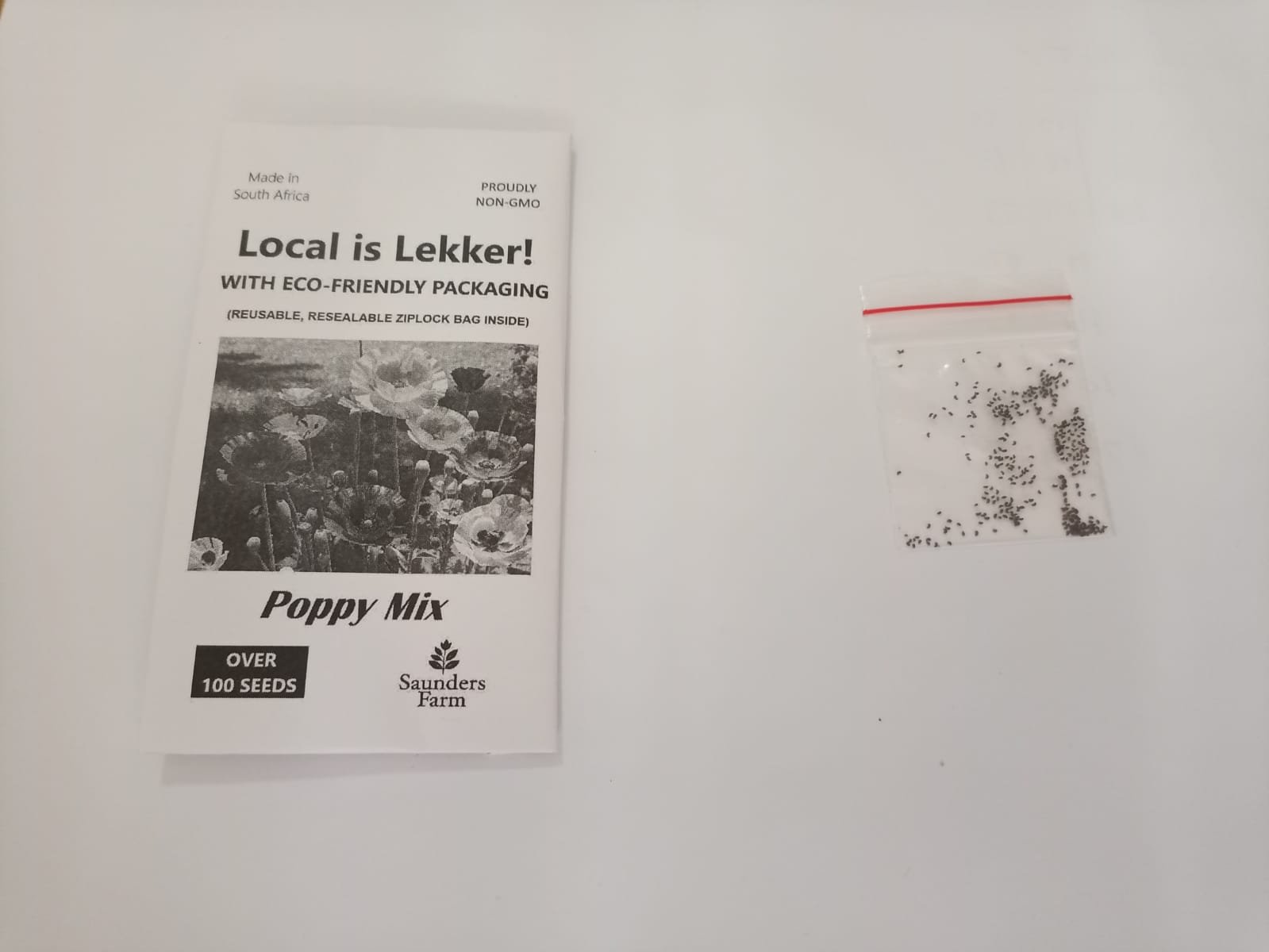
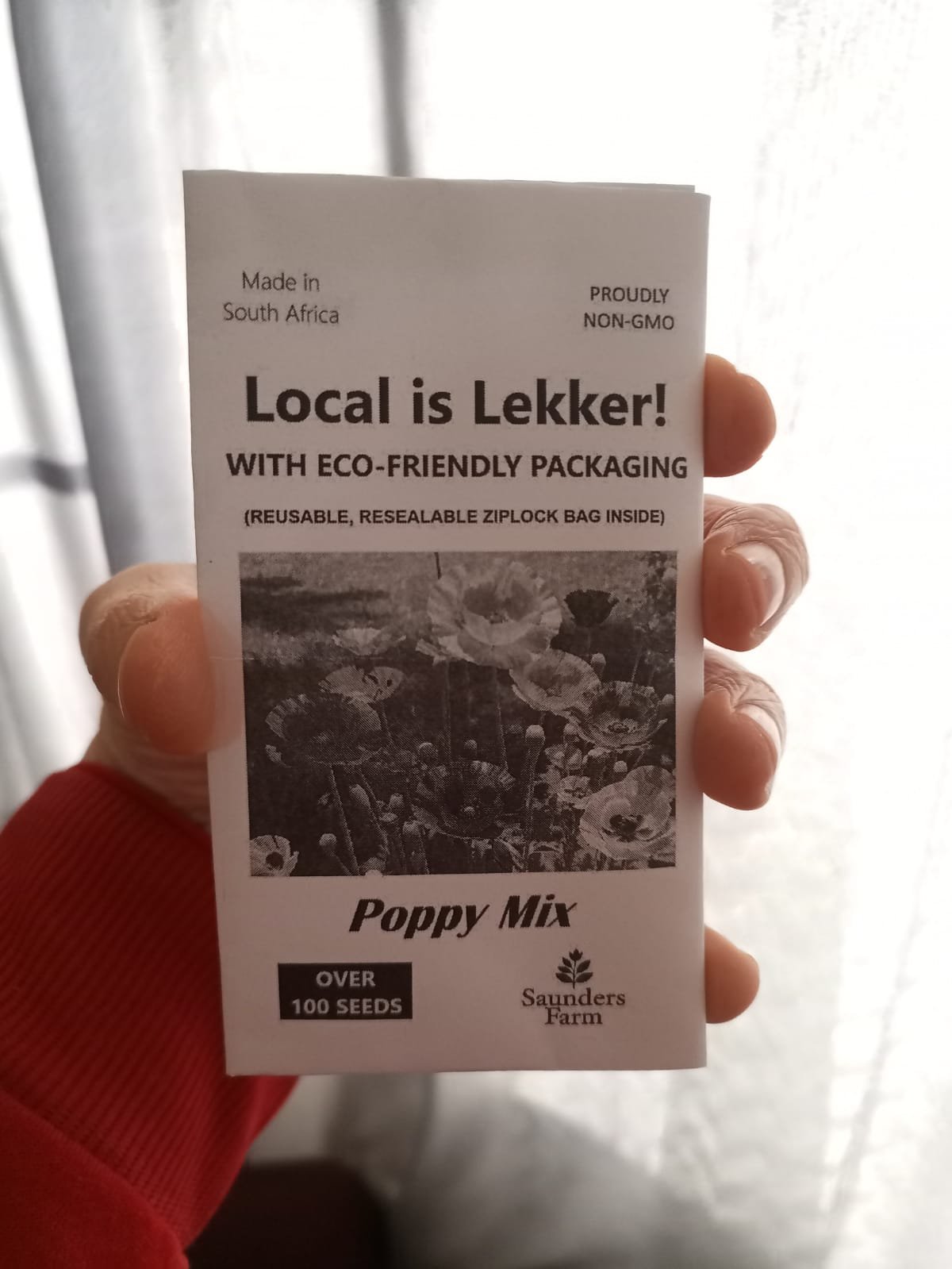
Poppy Mix – Over 100 Seeds

R15.00

Excluding shipping
  • Over 100 Poppy (Artist Glory Mix) Seeds
  • Join our WhatsApp Group to see when this product goes on special: https://chat.whatsapp.com/Ly1HQgXpYGXL2ffDGXUl4G
  • Proudly non-GMO
  • ECO-FRIENDLY: Biodegradable packaging with resealable, reusable plastic Ziplock bag inside
  • Made in South Africa, for South Africa
  • Comment below to sign up for new product alerts

Availability: 129 in stock

Guaranteed Safe Checkout

Poppy (Artist Glory Mix) Seeds – Heirloom & Non-GMO

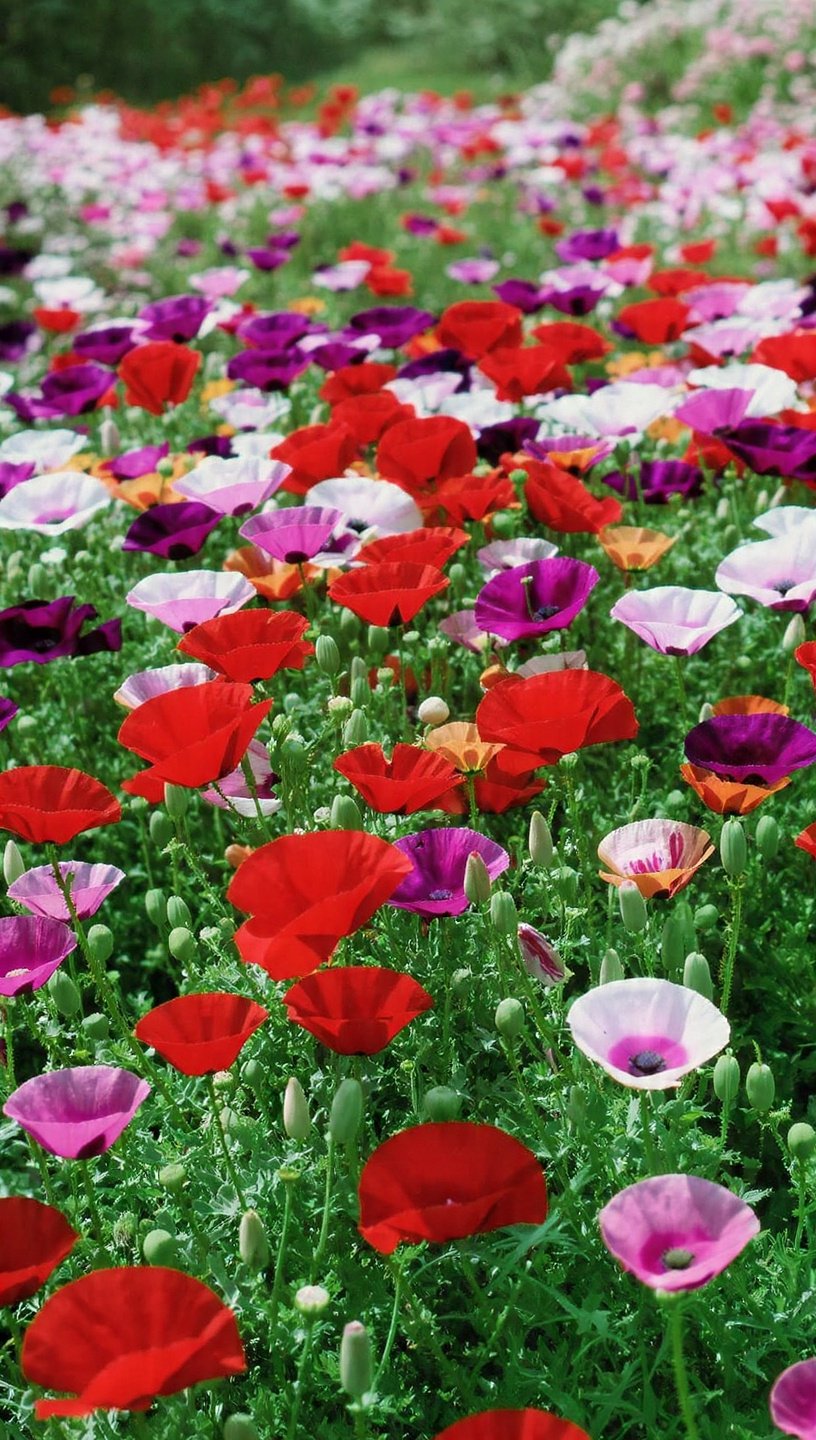
Paint your garden with a breathtaking palette of colors using our premium Artist Glory Mix Poppy seeds.

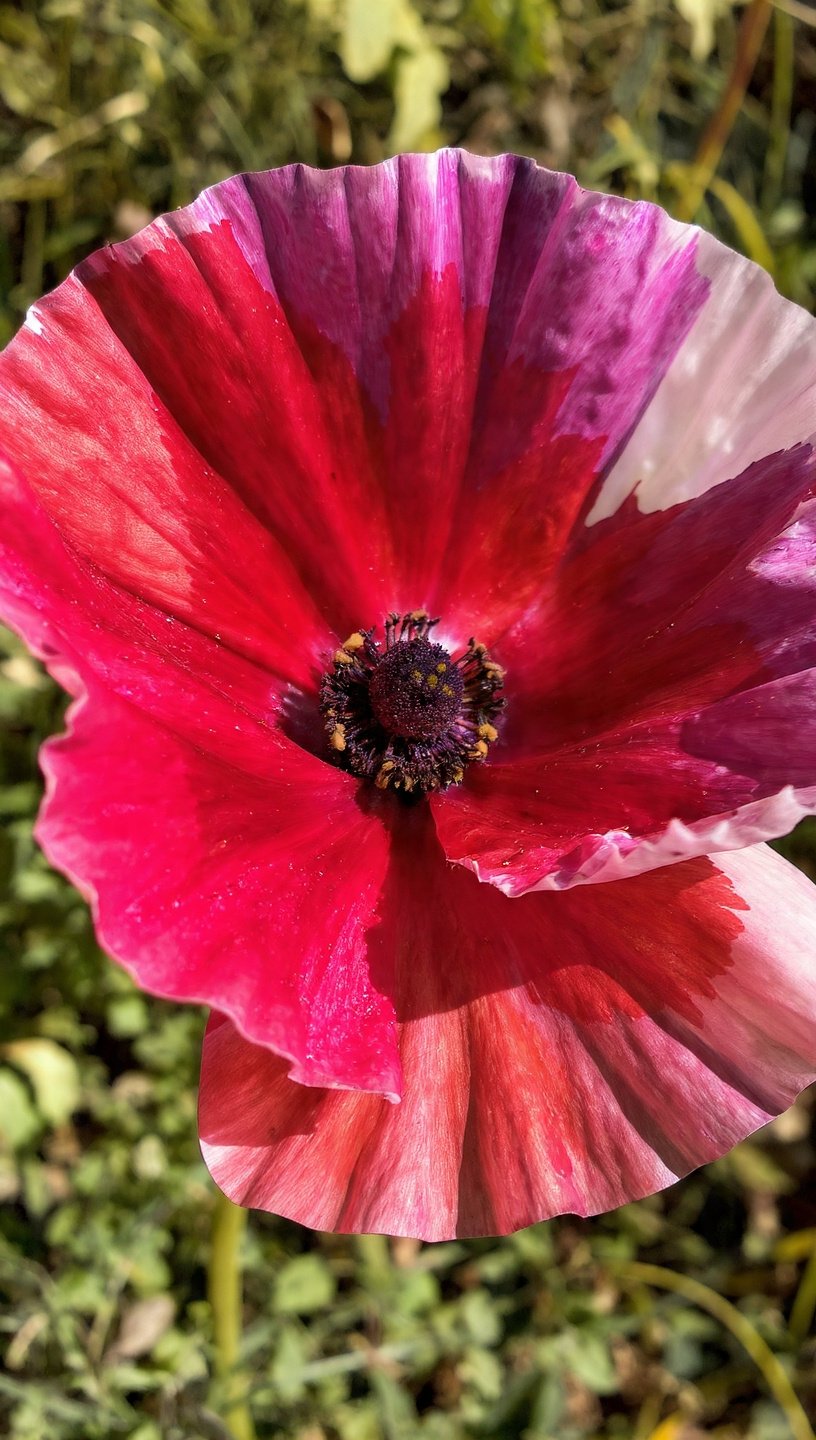
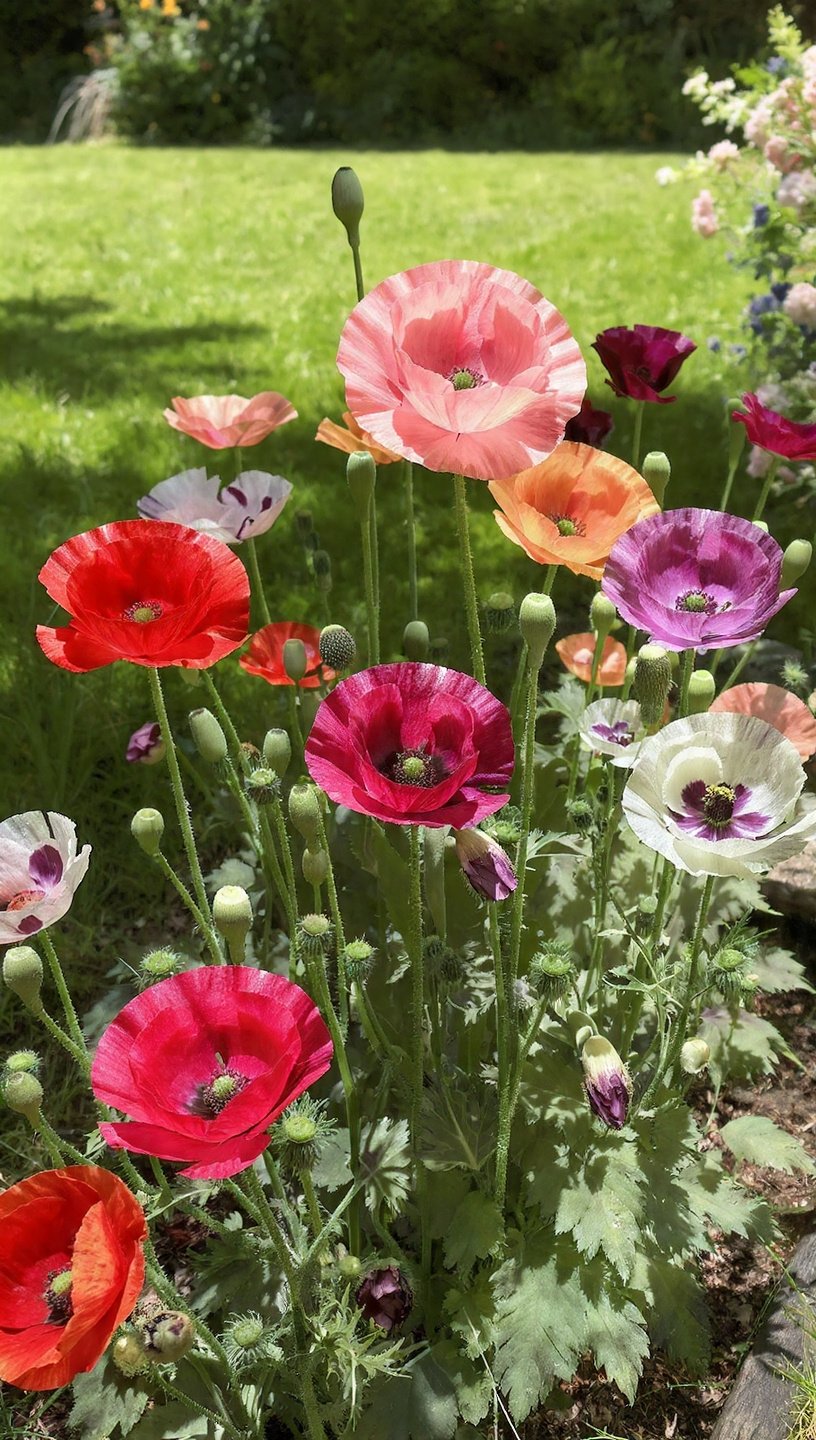
This spectacular heirloom mix produces a stunning gallery of large, tissue-paper blooms in an array of artistic shades, including romantic pinks, deep crimsons, soft pastels, and striking bi-colors.

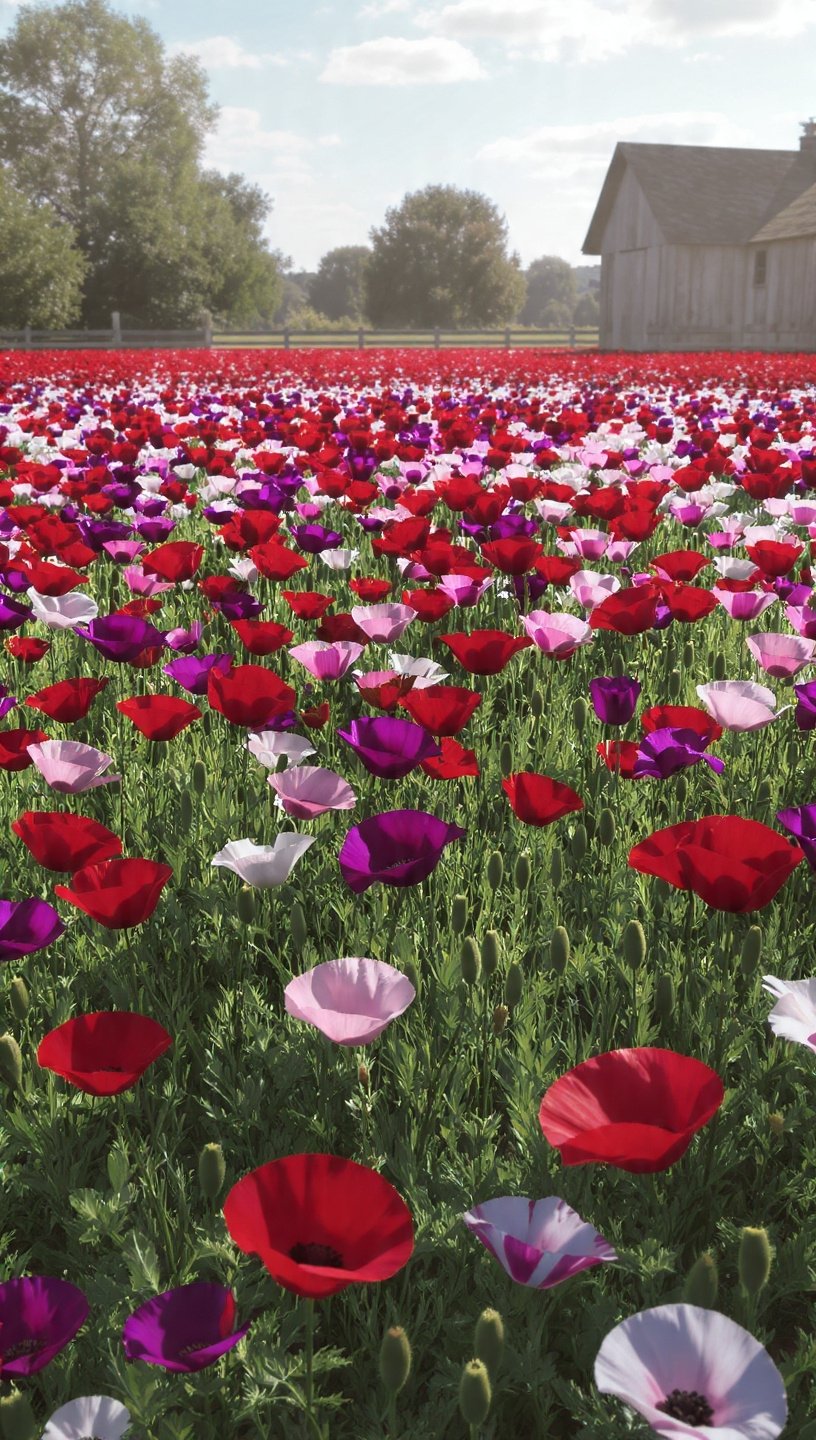
Specially curated for South African growing conditions, these non-GMO flower seeds are the perfect choice for creating dramatic cottage gardens, vibrant borders, and naturalized wildflower meadows.

Poppies are highly cherished by South African gardeners for their old-world charm and effortless elegance.

Blooming heavily from late winter through spring, these resilient plants feature delicate, nodding buds that open into show-stopping floral displays on sturdy stems.

They are incredibly easy to grow from seed and stand out beautifully when planted in large drifts, lining fences, or swaying gently in the backyard breeze.

Product Features

  1. Premium Quality: Heirloom, non-GMO, and open-pollinated flower seeds.
  2. Generous Quantity: Each pack contains over 100 seeds for extensive garden coverage.
  3. Artistic Variety: A curated blend of single and semi-double blooms in a wide spectrum of jewel tones and pastels.
  4. Pollinator Friendly: Naturally attracts local honeybees, butterflies, and beneficial insects to your patch.
  5. South African Climate Ready: Thrives in full sun and adapts easily to a variety of local winter and spring conditions.

Growing Instructions

Sowing Depth: Surface sow or cover very lightly with a 1mm layer of fine sand. Poppy seeds need light to germinate.

Spacing: Space or thin young seedlings approximately 20cm to 30cm apart.

Germination: Takes 10 to 21 days under cool, moist conditions.

Sunlight: Full sun (at least 6 hours of direct sunlight daily).

Watering: Water gently and regularly until established; avoid waterlogged, heavy soils.

Care Tip: Poppies have a delicate taproot and grow best when sown directly into their final garden position.

logo simple

Stop Killing Your Seeds!

5 Germination Mistakes Gardeners Must Stop Immediately

Get this free guide (5 minute read) and The Printable Monthly Growing Guide for South Africa (also free), via email:

We don’t spam! Read our privacy policy for more info.

Reviews

There are no reviews yet.

Be the first to review “Poppy Mix – Over 100 Seeds”

Your email address will not be published. Required fields are marked *

How to Grow Poppies from Seed

How to Grow Poppies from Seed: A Step-by-Step South African Guide

Growing poppies from seed is one of the most rewarding ways to bring an old-world, cottage-garden charm to your outdoor spaces.

Heirloom blends like our Artist Glory Mix produce a breathtaking gallery of large, tissue-paper blooms that sway elegantly on sturdy stems.

While poppies are famously hardy once established, they have unique requirements when starting out as seeds.

Following the correct techniques ensures excellent germination rates and a spectacular spring display. This comprehensive guide walks you through how to grow poppies successfully under South African conditions.

Understanding Poppy Preferences

To get the absolute best results from your seeds, it helps to understand what poppies need to thrive:

Climate: Poppies are cool-season annuals. They do most of their root and foliage growth during the chilly autumn and winter months, bursting into massive blooms from late winter through spring.

Sunlight: They require full sun—at least 6 hours of direct sunlight daily—to produce strong stems and vibrant flowers.

Soil: They need loose, poor-to-average, and exceptionally well-draining soil. They thrive in sandy or gravelly soils and will rot in heavy, waterlogged clay.

Step 1: Time Your Sowing Perfectly

Because poppies need a period of cool weather to germinate and grow a strong taproot, timing your planting is the ultimate secret to success in South Africa:

Inland Frost Regions (Gauteng, Free State, Highveld): The prime planting window is autumn (March to May). This allows the seeds to sprout in the cooling soil and grow throughout the winter for an early spring explosion of color. You can also do a secondary sowing in very early spring (August).

Winter Rainfall Regions (Western Cape): Sow seeds in autumn and winter (April to July). Poppies absolutely love the natural, cool winter rains of the Cape, which keep the soil perfectly damp for them.

Subtropical Regions (KwaZulu-Natal coast): Plant during the absolute coolest months of the year (May to June) so the plants can finish blooming before the extreme heat and humidity of mid-summer return.

Step 2: The Direct Sowing Rule (Skip the Pots)

Poppies develop a single, highly sensitive taproot. Because of this, they genuinely hate being transplanted. Moving them from a seedling tray into the garden often triggers transplant shock, causing the plant to stunt or die.

For the highest success rate, sow your seeds directly into their final garden beds.

Note: Because our premium packs contain over 100 seeds, you will have plenty of seeds to scatter across a large garden bed or create dramatic drifts along fences.

Step 3: Prepare the Seedbed

Choose a spot in full sun with excellent drainage. Clear the area completely of weeds, grass, and large rocks.

Turn over the top 10cm of soil. If your soil is heavy clay, dig in plenty of coarse river sand or fine compost to improve drainage.

Poppies actually prefer nutrient-poor soil, so do not add heavy chemical fertilizers. Rake the surface until the soil is perfectly fine and loose.

Water the bed thoroughly before sowing so the ground is evenly damp.

Step 4: Sowing the Seeds (The Light and Sand Trick)

Poppy seeds are tiny and require light to trigger germination. If you bury them, they will rot in the dark.

The Sand Trick: Because the seeds are so small, it can be hard to scatter them evenly. Mix your packet of poppy seeds into a cup of dry, fine river sand or agricultural lime. This gives you a larger volume to work with and acts as a visual guide showing where you have already sown.

Scatter: Broadcast the sand-and-seed mixture evenly across the surface of your damp seedbed.

Press, Don’t Bury: Do not cover the seeds with soil. Instead, walk over the area gently, press down with a flat board, or use the palm of your hand to firm the seeds into the earth. They just need to make secure contact with the damp soil.

Step 5: Germination Care

Watering: The soil surface must stay consistently moist until the seeds sprout. Because the seeds sit directly on top of the ground, a heavy watering can wash them away. Use a fine-mist setting on your hose nozzle or a gentle spray bottle.

Patience: Depending on soil temperatures, your poppy seeds will take anywhere from 10 to 21 days to germinate. Green, clover-like sprouts will begin carpeting the soil.

Step 6: Thinning for Strength

When your young seedlings reach about 5cm tall, they will likely be growing tightly together. To get large, healthy blooms, they need breathing room.

Use sharp scissors to snip the weaker seedlings off at ground level. Do not pull them up by the roots, as this will disturb the fragile roots of the healthy plants nearby.

Space your final remaining poppy plants roughly 20cm to 30cm apart.

Step 7: Ongoing Care and Maintenance

Watering Strategy: Once your poppies are established, scale back on watering. Water deeply at the base of the plants once a week. They are remarkably drought-tolerant and hate soggy feet.

No Fertilizer Needed: Avoid high-nitrogen fertilizers. Too much food results in a massive explosion of green leaves but very few, weak flower buds.

Deadheading vs. Seed Saving: To keep the plants pushing out fresh flowers for months, snip off faded blooms regularly. However, at the very end of the spring season, leave a few flowers on the stems. They will turn into beautiful, crown-topped seed pods.

Once the pods turn brown and dry, they will crack open, shaking hundreds of new seeds into your garden bed to naturally grow back again next autumn!

Poppy Growing Guide

Artist Glory Mix Poppy Growing Guide: From Seed to South African Spring Display

Poppies are the true artists of the cool-season garden. Known for their delicate, tissue-paper petals and graceful swaying stems, they bring an unforgettable old-world cottage charm to your landscape.

Our heirloom Artist Glory Mix offers a breathtaking gallery of large single and semi-double blooms in a curated blend of romantic pinks, deep crimsons, soft pastels, and striking bi-colors.

While poppies are exceptionally hardy and drought-tolerant once established, they have highly specific requirements when starting out as seeds.

This definitive guide covers everything you need to know to grow poppies successfully under South African conditions.

Quick Reference Facts

Botanical Name: Papaver rhoeas (Heirloom Ornamental)

Common Names: Corn Poppy, Shirley Poppy, Field Poppy

Plant Type: Cool-season annual flower

Sun Exposure: Full sun (minimum 6 hours of direct sunlight daily)

Soil Requirements: Loose, poor-to-average, exceptionally well-draining soil

Ideal Soil pH: Neutral to slightly alkaline (6.5 to 7.5)

Sowing Depth: Surface sow (seeds absolutely require light to germinate)

Germination Time: 10 to 21 days

Spacing: 20cm to 30cm apart

Time to Flower: 12 to 16 weeks from sowing

When to Plant Poppies in South Africa

Poppies are cool-season annuals. They perform their vital root and foliage growth during the chilly autumn and winter months, bursting into an explosion of color from late winter through spring.

Inland Frost Regions (Gauteng, Free State, Highveld): The optimal planting window is autumn (March to May). The seeds sprout in the cooling soil and grow through winter. You can also do a secondary sowing in very early spring (August).

Winter Rainfall Regions (Western Cape): Sow seeds throughout autumn and winter (April to July). Poppies thrive on the natural, cool winter rains of the Cape, which keep the soil perfectly damp.

Subtropical Regions (KwaZulu-Natal coast, Limpopo): Plant during the absolute coolest window of the year (May to June) so the plants can bloom before the intense mid-summer humidity returns.

The Golden Rule: Always Sow Directly

Poppies develop a single, highly sensitive taproot.

Because of this, they genuinely hate being transplanted. Moving them from a seedling tray into the garden often triggers severe transplant shock, causing the plant to stunt or die.

For success, sow your seeds directly into their final garden beds or deep containers.

Note: Since our premium packs contain over 100 seeds, you will have plenty of seeds to scatter across a large bed or create dramatic drifts along fences.

Step 1: Prepare the Seedbed

Choose a spot in full sun that has excellent drainage. Poppies love sandy, gravelly, or average soils and will rot in heavy, waterlogged clay.

Clear the area completely of weeds, grass, and large rocks. Turn over the top 10cm of soil.

If your soil is heavy clay, dig in plenty of coarse river sand to improve drainage. Do not add heavy chemical fertilizers; poppies prefer nutrient-poor soil.

Rake the surface until the soil is perfectly fine and loose. Water the bed thoroughly before sowing so the ground is evenly damp.

Step 2: Sowing the Seeds (The Sand Trick)

Poppy seeds are tiny and require light to trigger germination. If you bury them in the dark, they will rot.

The Sand Trick: Because the seeds are so small, it can be difficult to scatter them evenly. Mix your packet of poppy seeds into a cup of dry, fine river sand or agricultural lime. This gives you a larger volume to work with and acts as a visual guide showing where you have already sown.

Scatter: Broadcast the sand-and-seed mixture evenly across the surface of your damp seedbed.

Press, Don’t Bury: Do not cover the seeds with soil. Instead, walk over the area gently, press down with a flat board, or use the palm of your hand to firm the seeds into the earth. They just need to make secure contact with the damp soil.

Step 3: Germination Care

Moisture Management: The soil surface must stay consistently moist until the seeds sprout. Because the seeds sit directly on top of the ground, a heavy watering can wash them away. Use a fine-mist setting on your hose nozzle or a gentle spray bottle.

Patience: Depending on soil temperatures, your poppy seeds will take anywhere from 10 to 21 days to germinate. Green, clover-like sprouts will begin carpeting the soil.

Step 4: Thinning for Strength

When your young seedlings reach about 5cm tall, they will likely be growing tightly together. To get large, healthy blooms, they need breathing room.

Use sharp scissors to snip the weaker seedlings off at ground level. Do not pull them up by the roots, as this will disturb the fragile roots of the healthy plants nearby.

Space your final remaining poppy plants roughly 20cm to 30cm apart.

Step 5: Ongoing Care and Maintenance

Watering Rules

Once your poppies are established, scale back on watering. Water deeply at the base of the plants once a week. They are remarkably drought-tolerant and hate soggy feet.

Nutrient Control

Avoid high-nitrogen fertilizers. Too much food results in a massive explosion of green leaves but very few, weak flower buds. A light top-dressing of organic compost at the start of spring is all they need.

Deadheading vs. Seed Saving

To keep the plants pushing out fresh flowers for months, snip off faded blooms regularly. However, at the very end of the spring season, leave a few flowers on the stems. They will turn into beautiful, crown-topped seed pods.

Once the pods turn brown and dry, they will crack open, shaking hundreds of new seeds into your garden bed to naturally grow back again next autumn!
Poppy Other Names

A Guide to Poppy’s Other Names: Botanical, Cultural, and Historical Terms

When shopping for flower seeds like our Artist Glory Mix online, navigating the different names used for poppies can sometimes feel confusing.

Depending on whether you are reading a British cottage gardening book, looking up historical folk medicine, or chatting with local nurseries in South Africa, this iconic flower goes by several different names.

Understanding these alternative names ensures you buy the exact ornamental variety you want for your spring garden beds.

This quick guide breaks down the botanical, common, and local terms for this beautiful flower.

1. The Botanical Name (Scientific Classification)

Official Name: Papaver rhoeas

The Breakdown: The genus name Papaver is the classical Latin word for poppy, which roots deeply in ancient European languages.

The species name rhoeas is derived from the Greek word for “red,” referencing the wild, crimson fields that naturally blanketed Europe for centuries.

The Variety: While the wild species is bright red, our Artist Glory Mix is a domesticated heirloom blend selected for its soft pastels, deep crimsons, pinks, and unique bi-colors.

2. Common Historical and Landscaping Names

Because this plant has grown alongside human agriculture for millennia, it has earned several descriptive common names globally:

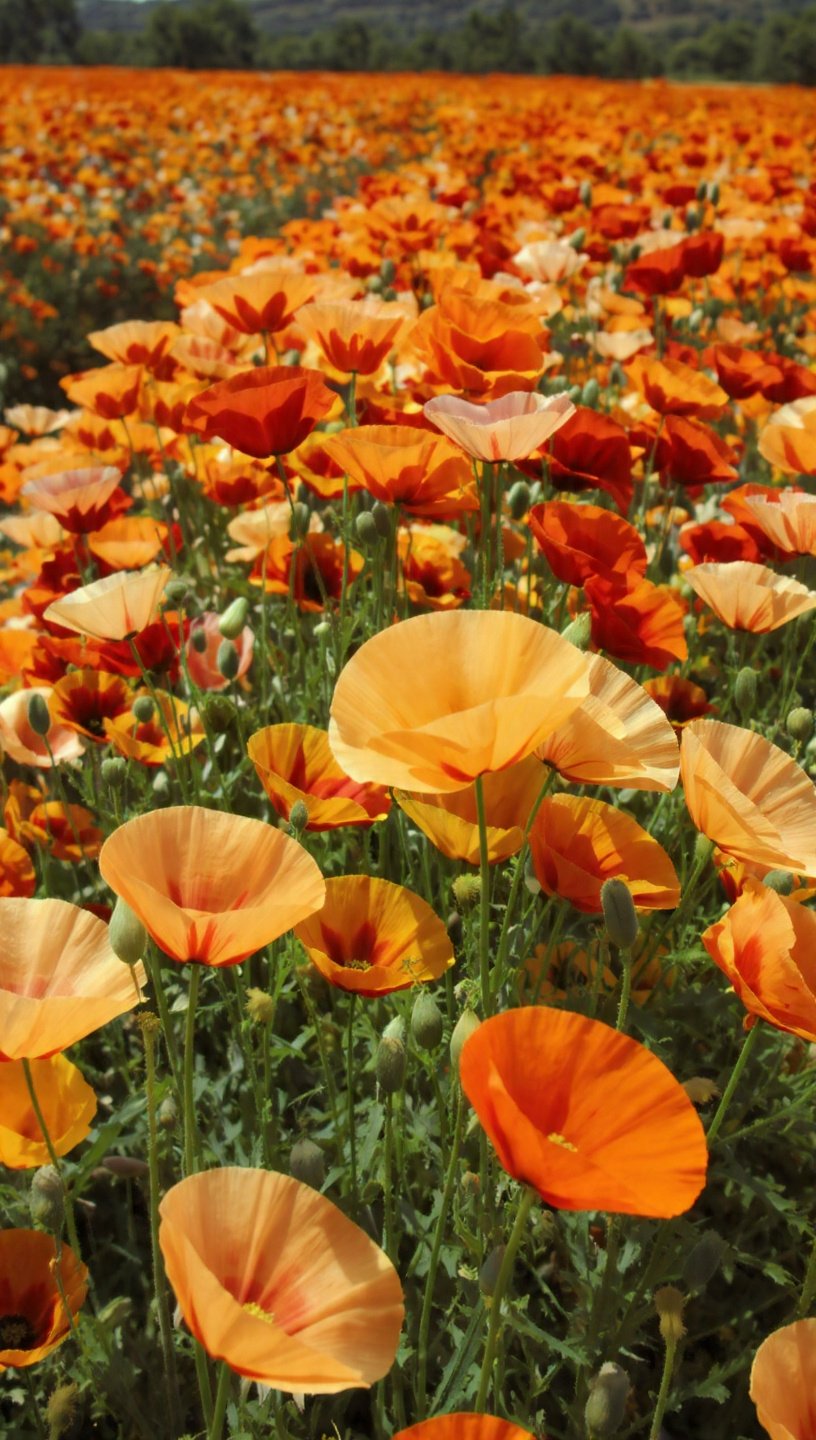
Corn Poppy: This is the most famous historical name. In Europe, poppies naturally grew as a colorful weed in agricultural grain fields (which Europeans traditionally referred to as “corn” fields, meaning wheat, barley, or rye).

Field Poppy / Flanders Poppy: Following World War I, these resilient flowers famously blanketed the disrupted battlefield soils of Flanders. Because of this, they became a global symbol of remembrance, often simply called the Remembrance Poppy.

Shirley Poppy: This is a specific horticultural group of Papaver rhoeas.

In the 1880s, an English vicar named William Wilks selected wild corn poppies and carefully bred out the black markings from the center, creating the soft pink, white, and pastel shades that make up the foundation of our Artist Glory Mix today.

3. Local South African Names and Important Confusion

Because poppies are an international staple, the name “Poppy” is widely used and universally understood across most nurseries in South Africa.

However, our rich gardening community features a few local touches and critical distinctions:

Papiersnoek / Papawer (Afrikaans): Papawer is the direct Afrikaans translation for the poppy family.

Older generations of South African gardeners occasionally use the highly descriptive, informal term papiersnoek (paper-mouth) or papierblom (paper flower), which perfectly captures the delicate, tissue-paper texture of the petals before they unfurl.

The Opium Poppy Distinction (Papaver somniferum): This is a critical safety distinction for online shoppers. If you are researching culinary baking seeds or pharmaceutical history, you are looking for the Opium Poppy (Papaver somniferum).

Our Artist Glory Mix seeds belong to the Papaver rhoeas family—they are strictly ornamental garden annuals grown for visual beauty and pollinator support, not for commercial food production.

Why Choose the Artist Glory Mix?

No matter what name you prefer to use, our premium heirloom poppy seeds are selected for their incredible genetic diversity.

Unlike modern, chemically cloned hybrid flowers, these open-pollinated Shirley-type poppies will bring an unpredictable, painting-like tapestry of colors to your outdoor spaces.

Note: Each of our premium packs contains over 100 seeds, giving you more than enough variety to see a full spectrum of these stunning tissue-paper blooms dance in the spring breeze.

Shopping Basket
0
    0
    Your Cart
    Your cart is emptyReturn to Shop
    Scroll to Top