,

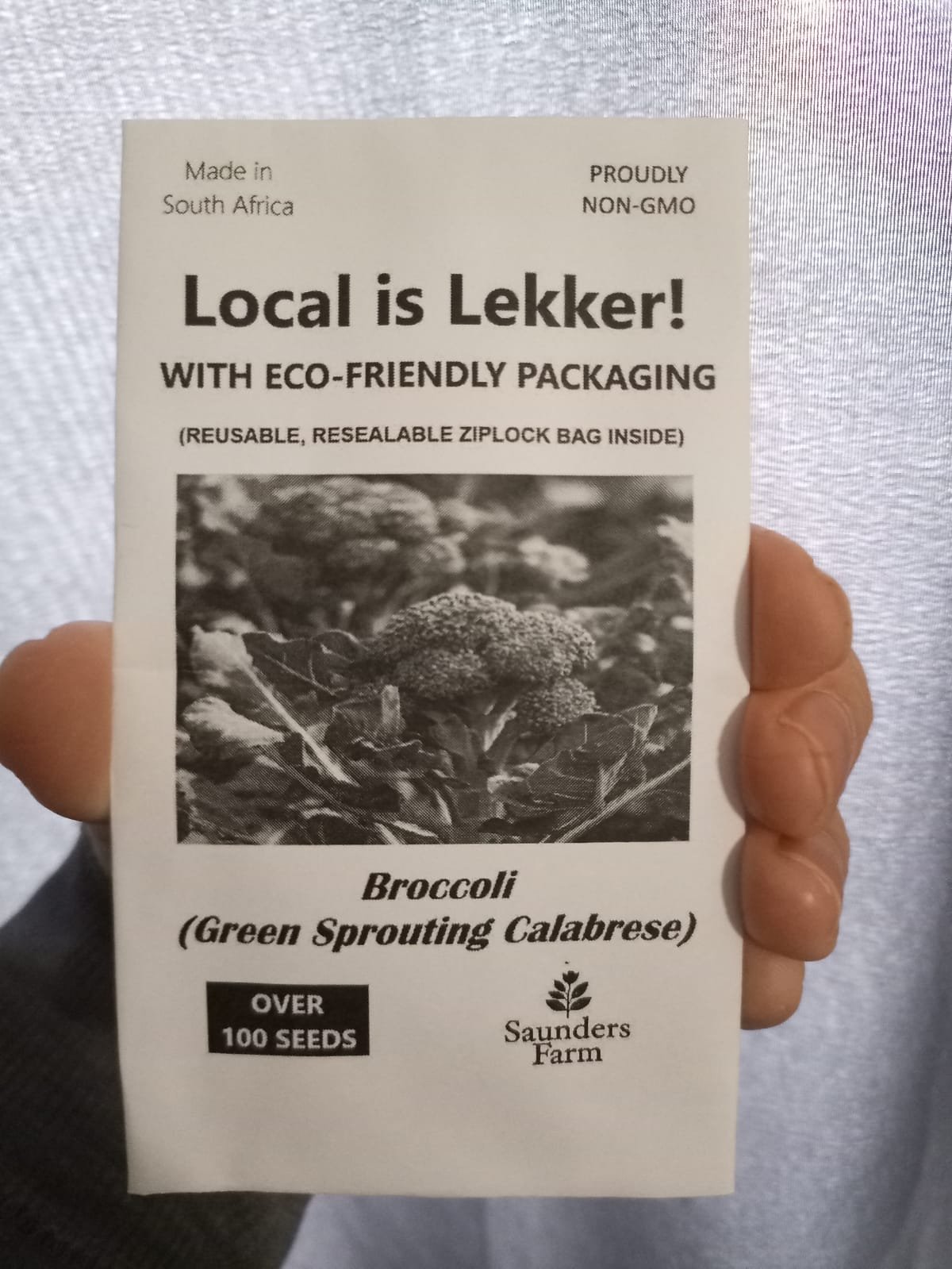
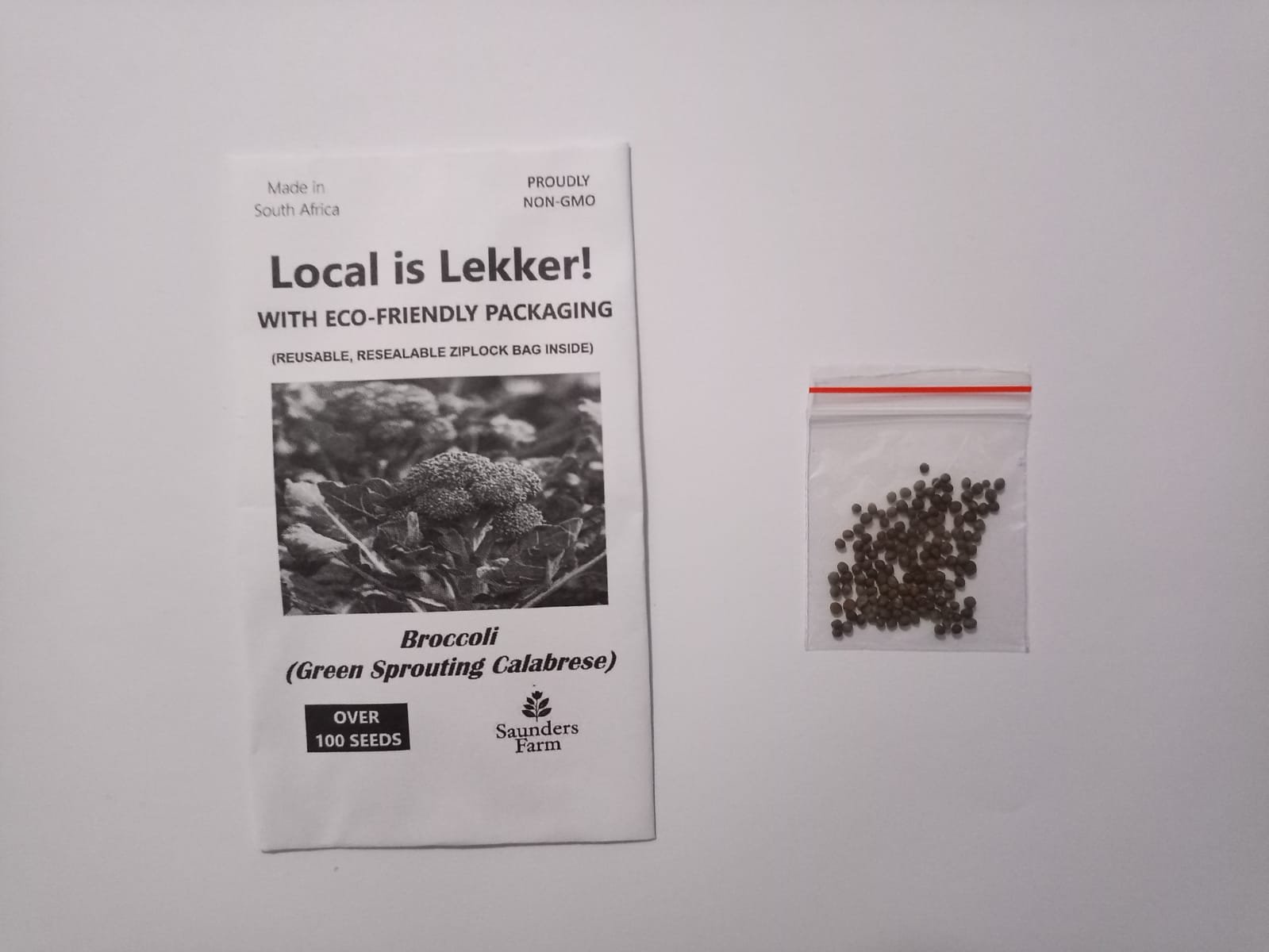
Broccoli – Over 100 Seeds

R15.00

Excluding shipping
  • Over 100 Broccoli (Green Sprouting Calabrese) Seeds
  • Join our WhatsApp Group to see when this product goes on special: https://chat.whatsapp.com/Ly1HQgXpYGXL2ffDGXUl4G
  • Proudly non-GMO
  • ECO-FRIENDLY: Biodegradable packaging with resealable, reusable plastic Ziplock bag inside
  • Made in South Africa, for South Africa

Availability: 20 in stock

Guaranteed Safe Checkout

Broccoli Green Sprouting Calabrese Seeds (Heirloom & Non-GMO) – Over 100 Seeds

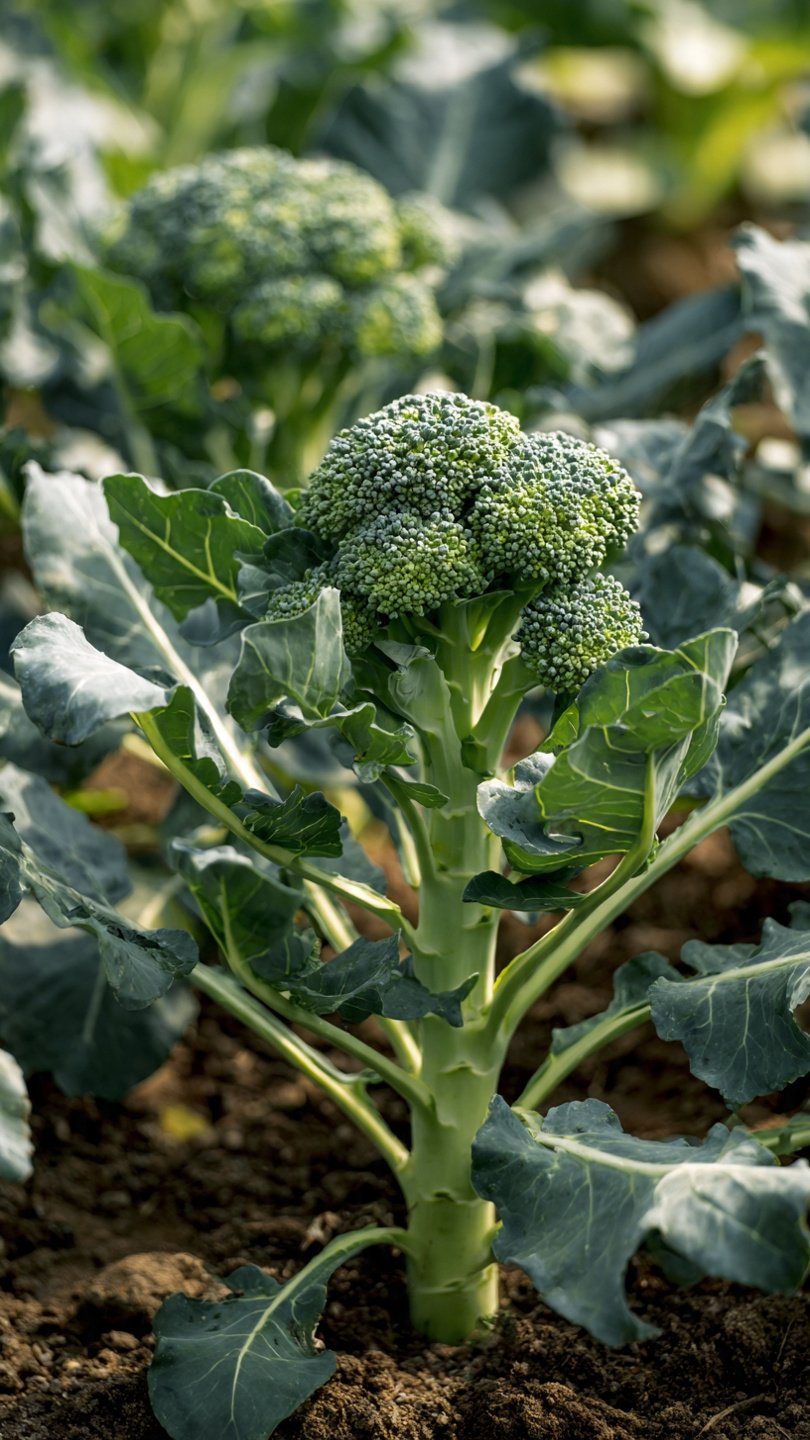
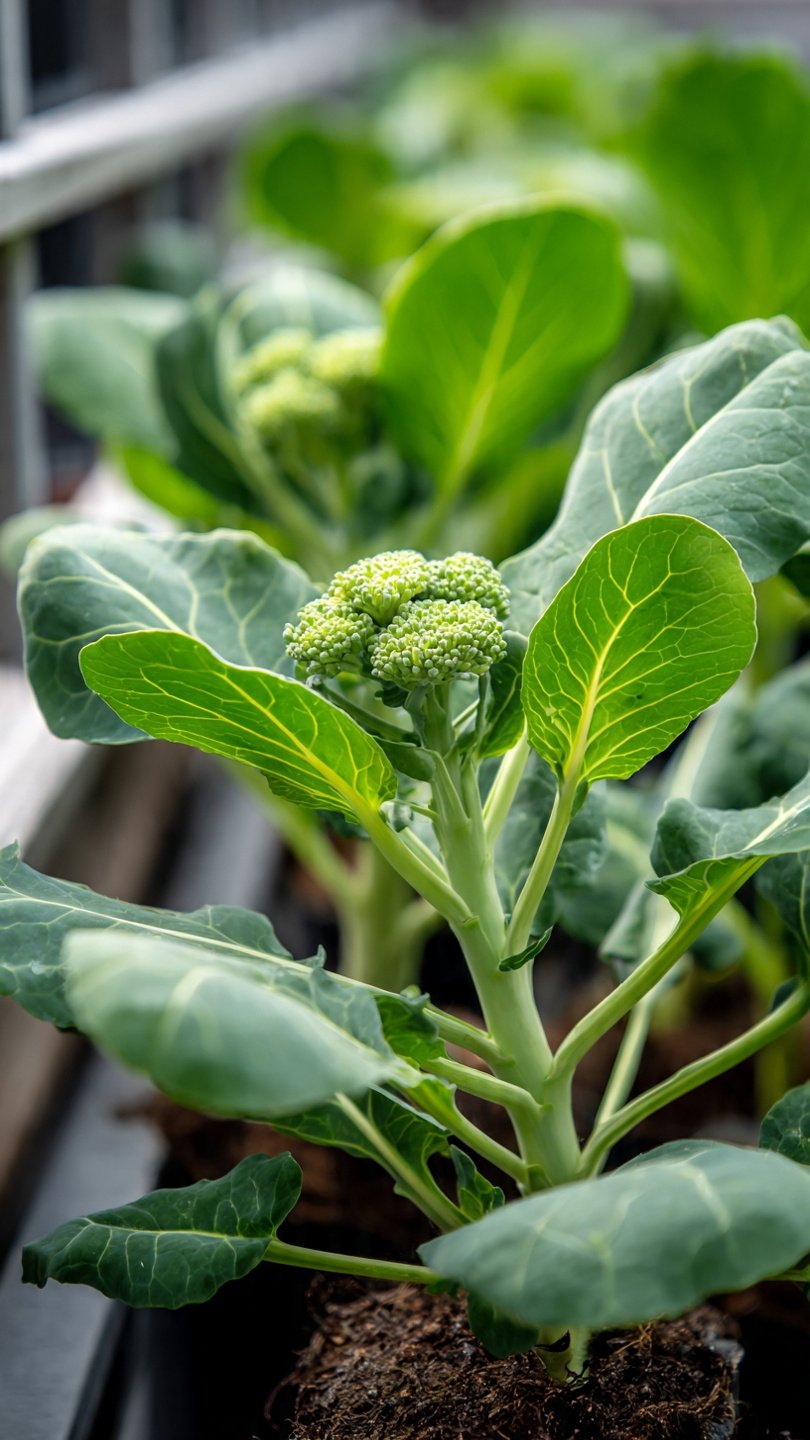
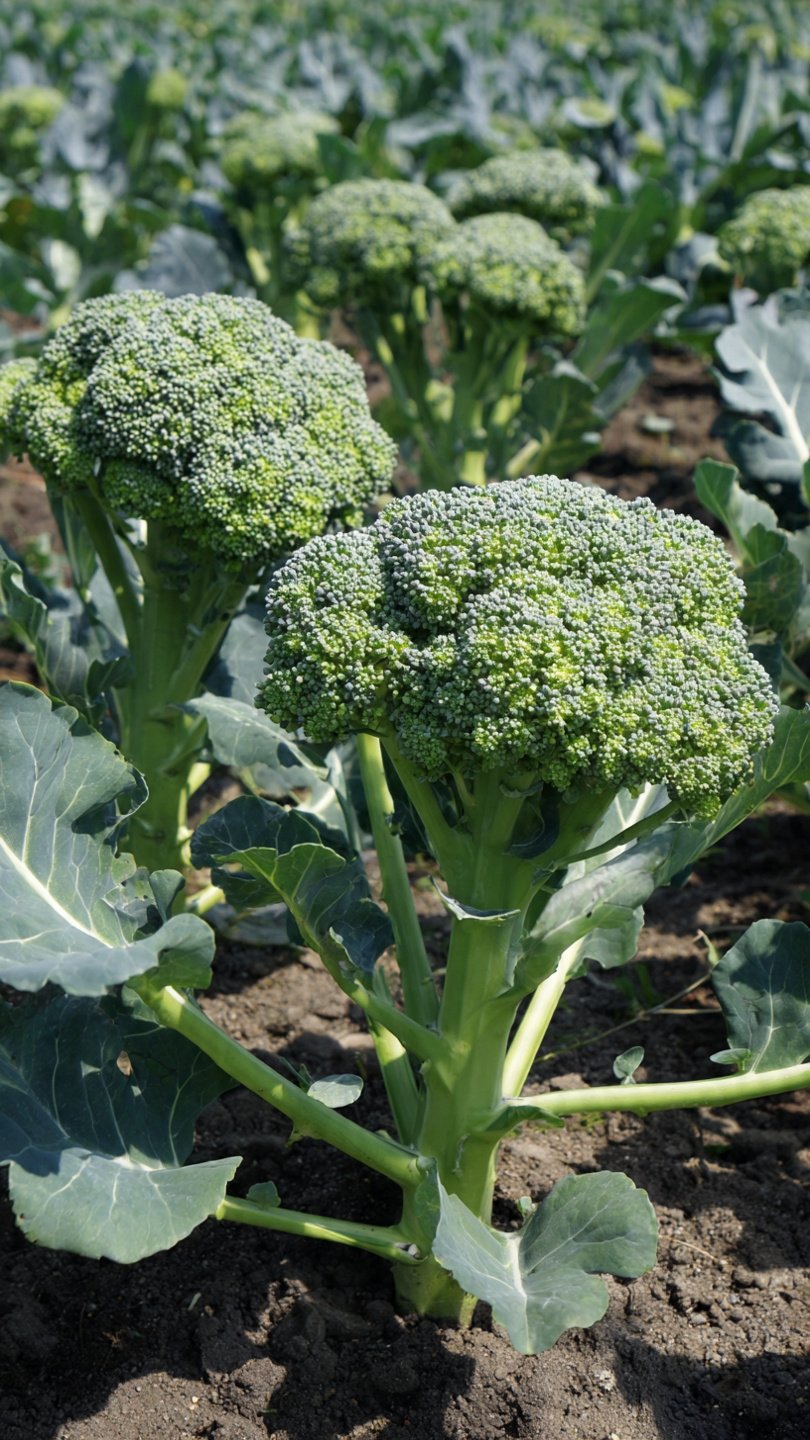
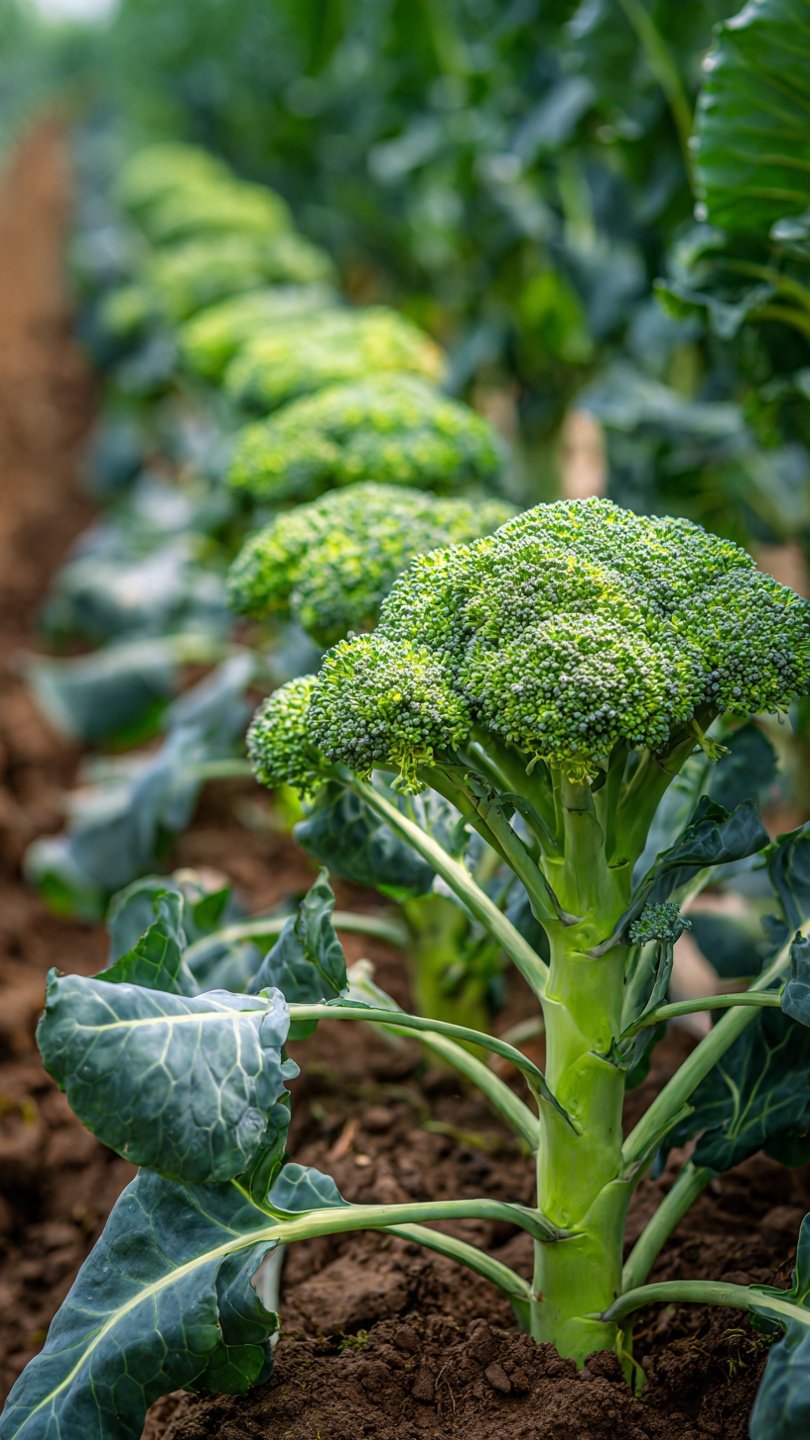
Grow a continuous harvest of crisp, nutrient-dense greens with our premium Broccoli Green Sprouting Calabrese seeds (Brassica oleracea var. italica).

Unlike standard supermarket varieties that produce a single head and then die, this traditional Italian heirloom is highly celebrated for its unique growth habit.

After harvesting the large central head, the plant continuously throws out tender, delicious side shoots for months on end, maximizing your garden’s yield.

Our heirloom, non-GMO Calabrese seeds are perfectly suited to South Africa’s cooler growing seasons.

They deliver excellent germination rates and robust growth, making them an essential addition to any backyard vegetable patch, raised bed, or allotment.

Why Choose Our Green Sprouting Calabrese Broccoli Seeds?

  1. Continuous Picking: Features incredible “cut-and-come-again” performance, producing abundant side shoots long after the main head is picked.
  2. Superior Heirloom Flavor: Delivers a sweeter, richer, and more pronounced nutty flavor than commercial hybrid types, with tender stems that are completely edible.
  3. Heirloom & Non-GMO: 100% open-pollinated seeds completely free from genetic modification, allowing you to save your own seeds season after season.
  4. Over 100 Seeds Per Pack: Every packet contains over 100 seeds, providing exceptional value to establish a generous supply of homegrown broccoli.
  5. Nutritional Powerhouse: Harvested fresh from your garden, Calabrese is packed with high levels of Vitamin C, Vitamin K, dietary fiber, and powerful antioxidants.

Quick Growing Guide for South Africa

Sowing Season: Autumn (February to April) is ideal for most of South Africa to ensure the heads mature during cooler winter months. Can also be sown in early Spring (August to September) in cooler, frost-free regions.

Position: Full sun (at least 6 hours of direct sunlight daily).

Soil: Rich, fertile, firm soil heavily amended with organic compost. Broccoli thrives in soil with a slightly alkaline pH (6.5 to 7.5).

Sowing Depth: Sow seeds 6 mm deep in seedling trays or directly into beds.

Germination: Fast and reliable, with sprouts appearing in 7 to 10 days.

Care Tip: Broccoli plants grow quite large and are top-heavy. Firm the soil around the base of the stems tightly upon transplanting to protect them from strong winter winds.

Product Specifications

Seed Count: Over 100 seeds per pack

Variety: Broccoli (Green Sprouting Calabrese)

Plant Type: Cool-Season Heirloom Vegetable

Planting Type: Open-pollinated heirloom
logo simple

Stop Killing Your Seeds!

5 Germination Mistakes Gardeners Must Stop Immediately

Get this free guide (5 minute read) and The Printable Monthly Growing Guide for South Africa (also free), via email:

We don’t spam! Read our privacy policy for more info.

Reviews

There are no reviews yet.

Be the first to review “Broccoli – Over 100 Seeds”

Your email address will not be published. Required fields are marked *

How to Grow Broccoli from Seed

How to Grow Broccoli from Seed: The Complete South African Guide

Broccoli (Brassica oleracea var. italica), especially traditional varieties like Green Sprouting Calabrese, is one of the most rewarding cool-season crops you can plant.

While commercial supermarket broccoli produces just one central head, heirloom varieties grown from seed offer an incredible “cut-and-come-again” harvest.

Once you pick the main head, the plant continuously pushes out tender, sweet side shoots for months.

Growing broccoli from seed gives you access to these superior varieties at a fraction of the cost. This step-by-step guide will show you how to successfully grow a heavy, continuous harvest of homegrown broccoli from scratch.

Quick Growing Facts

  • Sowing Time: Autumn (February to April) across most of South Africa; early Spring (August to September) in cooler, frost-free regions
  • Germination Time: 7 to 10 days
  • Sunlight Requirements: Full sun (at least 6 hours of direct sunlight daily)
  • Soil Preference: Rich, heavy, firm, and highly fertile soil with good drainage
  • Time to Harvest: 80 to 100 days from transplanting

Step-by-Step Seed Sowing Guide

Broccoli thrives when started in seedling trays rather than sown directly into the ground. Trays keep the delicate young seeds safe from heavy rains, scorching afternoon sun, and destructive garden pests.

Step 1: Prepare Your Seedling Trays

Fill standard seedling trays with a premium, fine-textured seed-starting mix.

Press the mix down lightly to eliminate air pockets and water thoroughly until damp.

Step 2: Sow the Seeds

Place 1 to 2 broccoli seeds into each cell.

Sowing Depth: Cover the seeds with roughly 6 mm of fine soil or vermiculite. Broccoli seeds need to be buried slightly to support their quick-growing stems.

Mist the surface gently with a spray bottle so you do not dislodge the seeds.

Step 3: Germination Care

Place the tray in a warm, bright area out of direct midday sunlight.

Keep the soil consistently moist but never soggy. Sprouts will pop up reliably within 7 to 10 days.

Once sprouted, ensure they get plenty of bright light to prevent them from becoming thin and leggy.

Thin out the weaker sprout in each cell by snipping it at the base.

Transplanting into the Garden

Your broccoli seedlings are ready to move outdoors when they stand about 10 cm to 15 cm tall and have developed 4 to 6 strong, true leaves.

Step 1: Prep a Rich Garden Bed

Broccoli is a heavy feeder that requires highly fertile soil. Mix a generous amount of well-rotted manure and organic compost into your garden bed before planting.

Important: Firm the soil down well. Broccoli plants grow top-heavy and their roots prefer tight, firm soil to anchor themselves against winter winds.

Step 2: Spacing and Planting

Space your seedlings 40 cm to 50 cm apart, in rows spaced 60 cm apart. These plants grow large and need plenty of room and airflow.

Plant the seedlings deep, burying the stem right up to the first set of leaves. This prevents the young plants from wobbling.

Press the soil down very firmly around the base of each stem.

Ongoing Care for a Heavy Harvest

Watering: Water deeply and consistently at the base of the plant, about 2 to 3 times a week. Uneven watering causes the heads to become tough and hollow-stemmed.

Avoid wetting the developing heads to prevent rot.

Feeding: Feed your broccoli every 3 weeks with an organic, balanced liquid fertiliser or fish emulsion to support its rapid leafy growth.

Mulching: Apply a thick layer of straw or mulch around the plants to keep the root zones cool and retain critical soil moisture.

How to Properly Harvest Sprouting Broccoli

Knowing how and when to harvest is the key to unlocking a continuous supply of greens.

The Main Head: Keep a close eye on the large central head. Harvest it while the little buds are tight, firm, and dark green.

If the buds start to separate or show tiny yellow flowers, harvest immediately, as the flavour will deteriorate.

The Correct Cut: Use a sharp knife to cut the central head at an angle about 10 cm below the buds. Cutting at an angle allows winter rainwater to slide off the remaining stem instead of pooling and causing rot.

The Bonus Yield: Do not pull the plant out! Leave it in the ground. Within 1 to 2 weeks, you will see smaller, tender side shoots (often called broccoli rabe or broccolini) emerging from the leaf nodes.

Keep picking these weekly to encourage the plant to produce more until the warm summer weather arrives.

Broccoli Medicinal / Nutritional Uses

Broccoli Medicinal and Nutritional Uses: A Backyard Superfood Guide

Broccoli (Brassica oleracea var. italica), particularly our heirloom Green Sprouting Calabrese, is universally recognized as one of the most nutritionally dense vegetables on earth.

While it is a delicious staple in South African kitchens, this cool-season crop is also packed with highly potent, bioactive plant compounds that offer remarkable, science-backed medicinal and therapeutic benefits.

This guide provides you with an informative overview of the extraordinary health advantages gained by harvesting and eating fresh, homegrown broccoli.

The Nutritional Profile of Fresh Broccoli

When harvested directly from the garden and eaten fresh, broccoli delivers an incredibly high concentration of essential vitamins, minerals, and dietary fibers per calorie:

Vitamin C: A single cup of fresh broccoli provides over 100% of the daily recommended intake, serving as a powerful antioxidant that supports immune health and skin collagen production.

Vitamin K1: Essential for healthy blood clotting and playing a foundational role in maintaining strong, dense bones.

Folate (Vitamin B9): Vital for cellular growth, optimal brain function, and healthy tissue development.

Potassium and Iron: Essential minerals that support steady blood pressure regulation and robust red blood cell function.

Dietary Fibre: Promotes excellent digestive health, stabilizes blood sugar levels, and keeps the gut microbiome thriving.

Active Compounds: The Science of Sulforaphane

The absolute crown jewel of broccoli’s medicinal power lies in a specific group of sulfur-rich plant compounds called glucosinolates.

When raw broccoli leaves or florets are chopped, chewed, or crushed, an enzyme within the plant transforms these glucosinolates into a highly therapeutic compound called Sulforaphane.

Clinical research highlights sulforaphane as a master activator of the body’s natural cellular defense systems, offering profound anti-inflammatory and cellular protective effects.

Top Medicinal and Health Benefits

1. Cellular Protection and Longevity

The high levels of sulforaphane and indole-3-carbinol in broccoli have been extensively studied for their ability to protect cells from DNA damage.

These compounds stimulate the liver to neutralize harmful toxins and carcinogens, making broccoli a powerful dietary asset for long-term health and cellular protection.

2. Powerful Anti-Inflammatory Action

Systemic inflammation is the root cause of many chronic conditions.

Broccoli contains multiple potent antioxidants—including kaempferol and sulforaphane—that actively work to reduce oxidative stress and dampen inflammatory pathways throughout the body.

3. Heart Health and Cholesterol Support

Regular consumption of broccoli supports cardiovascular function in multiple ways. The soluble fiber binds to bile acids in the digestive tract, helping the body naturally lower elevated cholesterol levels.

Additionally, the anti-inflammatory compounds help protect the delicate linings of blood vessels from damage.

4. Digestive Health and Gut Barrier Integrity

Broccoli supports a highly robust digestive system. Its rich fiber content keeps bowel movements regular, while its unique sulfur compounds actively protect the delicate lining of the stomach and intestines.

This helps suppress the overgrowth of harmful bacteria like Helicobacter pylori while feeding beneficial gut bacteria.

5. Blood Sugar Regulation

For individuals managing diabetes or insulin resistance, broccoli is an exceptional dietary choice.

The natural fiber slows down carbohydrate absorption in the gut, preventing sharp spikes in blood sugar.

Furthermore, studies suggest that sulforaphane helps improve insulin sensitivity and reduces oxidative liver stress.

Maximizing the Medicinal Value: Kitchen Tips

To get the absolute most out of their Calabrese broccoli harvest, share these science-backed culinary tips:

Do Not Overboil: Heavy boiling destroys the delicate enzyme needed to produce sulforaphane and leaches water-soluble vitamins into the pot.

Opt for Light Steaming: Lightly steaming broccoli for 3 to 5 minutes keeps the enzymes intact while preserving crispness, vibrant color, and maximum nutritional potency.

Eat the Stems and Leaves: Don’t throw away the stalks or the large outer leaves! The tender inner stems of Green Sprouting Calabrese are incredibly sweet, and the leaves contain higher concentrations of certain vitamins than the florets themselves.

Disclaimer: This guide is intended for educational purposes only. Fresh broccoli is a safe, highly nutritious dietary staple, but individuals taking blood-thinning medications (such as Warfarin) should maintain a consistent intake of Vitamin K-rich greens and consult their healthcare provider regarding significant dietary changes.

Broccoli Growing Guide

Broccoli Growing Guide: The Complete South African Guide

Broccoli (Brassica oleracea var. italica), specifically the classic Green Sprouting Calabrese variety, is one of the most rewarding cool-season crops you can plant in South Africa.

Unlike commercial supermarket varieties that produce a single head and then stop, heirloom sprouting broccoli keeps giving back.

Once you harvest the large central head, the plant continuously throws out tender, sweet side shoots for months on end.

This comprehensive guide covers everything you need to know to successfully plant, grow, and harvest a heavy crop of homegrown broccoli.

Quick Plant Facts

  • Botanical Name: Brassica oleracea var. italica
  • Common Name: Sprouting Broccoli, Calabrese
  • Plant Type: Cool-season annual vegetable
  • Sun Exposure: Full sun (at least 6 hours of direct daily sunlight)
  • Soil Type: Deep, rich, heavy, and highly fertile soil with excellent drainage
  • Time to Harvest: 80 to 100 days from transplanting

Sowing and Planting

Broccoli thrives in cool weather. If it grows during the blistering heat of mid-summer, the heads will open up, turn bitter, and go to seed prematurely (bolt).

Sowing Windows

Inland Regions (Highveld, Free State, Karoo): Sow from February to April. This ensures the plant matures during the crisp autumn and winter months. A secondary sowing can be done in very early spring (August).

Coastal Regions (Western Cape, KZN): Sow from March to May to take advantage of the milder winter growing conditions.

Sowing from Seed

Use seedling trays: Broccoli seeds germinate exceptionally well in trays, which keep the delicate young sprouts safe from heavy rains and garden pests.

Sow shallowly: Fill trays with a premium seed-starting mix. Plant the seeds roughly 6 mm deep.

Moisture care: Mist the soil gently with a spray bottle to avoid disturbing the seeds. Keep the soil consistently damp but never waterlogged.

Germination: Sprouts will emerge reliably within 7 to 10 days when kept in a bright, warm spot. Once sprouted, ensure they get maximum light so they do not become thin and leggy.

Transplanting into the Garden

Your broccoli seedlings are ready for the garden when they are roughly 10 cm to 15 cm tall and have developed 4 to 6 strong, true leaves.

Prepare a rich bed: Broccoli is a heavy feeder. Dig plenty of well-rotted manure and organic compost deep into your garden bed before planting.

Firm the soil: Pack the soil down firmly. Broccoli plants grow very top-heavy, and their roots prefer tight, compact soil to anchor themselves securely against winter winds.

Deep planting and spacing: Space your plants 40 cm to 50 cm apart, in rows 60 cm apart. Plant the seedlings deep, burying the stem right up to the first set of true leaves to prevent the young plants from wobbling.

Press the soil down firmly around the base.

Ongoing Care and Maintenance

Watering

Broccoli requires consistent, deep watering to develop tender, juicy stems. Water at the base of the plant 2 to 3 times a week.

Avoid watering from overhead once the heads begin to form, as trapped moisture can cause the heads to rot.

Feeding

Because broccoli produces massive leaves and heavy heads, it needs plenty of fuel.

Feed your plants every 3 weeks with an organic, nitrogen-rich liquid seaweed or fish emulsion fertilizer to support continuous, rapid growth.

Mulching

Apply a thick layer of straw, bark chips, or organic mulch around the base of the plants. This keeps the root zones cool, retains critical soil moisture, and prevents weeds from competing for nutrients.

Harvesting Sprouting Broccoli

Knowing exactly how to harvest is the key to unlocking a massive, continuous yield from your Green Sprouting Calabrese.

The Main Head: Keep a close eye on the large central head. Use a sharp knife to cut the central head at a sloped angle about 10 cm below the buds while they are still tight and dark green.

Cutting at an angle allows winter rainwater to slide off the remaining stem instead of pooling and causing rot.

Do Not Pull the Plant: Once the main head is removed, leave the plant in the ground! Within a couple of weeks, you will see smaller, tender side shoots (resembling broccolini) emerging from the lower leaf nodes.

Continuous Picking: Harvest these side shoots weekly. The more you pick them, the more the plant will produce until the warm summer weather arrives.

Managing Pests and Common Problems

Cabbage White Butterflies

These common pests lay tiny eggs under the leaves, which hatch into voracious green caterpillars that can strip a broccoli plant overnight.

Solution: Cover your crop with a fine insect netting or horticultural fleece from day one to prevent the butterflies from landing.

Aphids

Tiny grey-green insects that cluster on the undersides of leaves and inside the tightly packed florets.

Solution: Blast them off with a firm spray from the garden hose, or treat the foliage with an organic insecticidal soap or neem oil spray.

Broccoli Other Names

Broccoli: Names, Varieties, and Culinary Dialects

Broccoli (Brassica oleracea var. italica), especially our premium Green Sprouting Calabrese, is a staple in vegetable gardens around the world.

Because this nutrient-dense brassica has a rich history originating in the Mediterranean, it goes by several different names, classifications, and regional terms depending on the country, culinary tradition, and specific variety.

This guide clears up the confusion and highlights how to identify different types of broccoli.

The Common and Traditional Names

1. Calabrese / Calabrese Broccoli

Where it is used: United Kingdom, Europe, and traditional seed catalogs.

The Context: This is the direct common name for our Green Sprouting Calabrese seeds. It is named after Calabria, the region in southern Italy where this specific style of broccoli was originally bred and popularized.

It refers to broccoli types that produce large, tight, green central heads followed by edible side shoots.

2. Sprouting Broccoli / Purple or Green Sprouting

Where it is used: Global standard English.

The Context: Unlike commercial supermarket varieties that produce one massive head on a thick trunk, “sprouting” broccoli refers to traditional, open-pollinated varieties. These plants focus on throwing out an abundance of smaller, highly tender flowering stalks over a prolonged period.

3. Broccolo (Singular)

Where it is used: Italy.

The Context: In its native Italian, broccolo is the singular noun, meaning “cabbage sprout” or “flowering crest of a cabbage.”

The English word “broccoli” is actually the plural form, reflecting the multiple branching heads that a single plant naturally produces.

4. Brócolis / Brócoli

Where it is used: Portugal/Brazil (Brócolis) and Spain/Latin America (Brócoli).

The Context: These are the direct translations used widely across Spanish and Portuguese culinary dishes and agricultural supply stores globally.

Botanical Names vs. Similar Vegetables

Shoppers looking for cool-season crops often get confused by closely related vegetables that look or taste like broccoli.

Brassica oleracea var. italica (True Broccoli)

Key Characteristics: This is the exact botanical name for our sprouting broccoli seeds. It features dark green, tightly clustered flower buds (florets) on crisp, sweet, fully edible stems.

Broccolini / Baby Broccoli / Asparagus Broccoli

Key Characteristics: Broccolini is not just immature broccoli. It is a specific trademarked hybrid cross between standard broccoli and Chinese kale (Gai Lan).

It is famous for its long, elegant, tender stems and small, loose florets.

Tip: You can get a nearly identical harvest by picking the side shoots of our Green Sprouting Calabrese!

Broccoli Rabe / Rapini (Brassica ruvo)

Key Characteristics: Despite the confusing name, Broccoli Rabe is actually a closer relative of the turnip family than true broccoli.

It produces small, loose green clusters that look like broccoli buds, but the entire plant—leaves, stems, and all—has a much sharper, distinctly bitter, and peppery taste profile.

Romanesco Broccoli / Roman Cauliflower (Brassica oleracea var. botrytis)

Key Characteristics: A striking visual marvel that sits right between broccoli and cauliflower. It features pale lime-green heads that form perfect, intricate, fractal cones.

It possesses a much milder, nuttier flavor than standard broccoli.

Why Buy Heirloom Seeds Over “Supermarket” Types?

When customers see commercial broccoli in South African grocery stores, they are looking at highly engineered commercial hybrids designed to mature all at once for automated tractor harvesting.

By stocking Green Sprouting Calabrese, we are offering you the classic, authentic Italian garden variety that was built for home picking—tastier, more tender, and far more productive over the winter months.

Shopping Basket
0
    0
    Your Cart
    Your cart is emptyReturn to Shop
    Scroll to Top